Here's the thing about clitoral sensitivity
Your clitoris doesn't come with factory settings. Some people can handle deep, rumbly vibration from day one. Others find anything above a whisper genuinely uncomfortable. Most of us live somewhere in between, and that middle ground shifts depending on arousal, stress, cycle, time of day, and honestly just the vibe of Tuesday.
The mistake most people make when shopping for a lemon vibrator is fixating on power. "I need the strongest one," or "I want something gentle." But intensity is only one variable. Pattern matters. Material matters. Contact shape matters. And whether you realize it or not, your sensitivity level is probably not what you think it is.
What sensitivity actually means
When I talk about sensitivity, I'm talking about how much direct stimulation your clitoris needs before it starts to feel overwhelming or raw. This is separate from arousal (how turned on you are) and separate from responsiveness (whether you can orgasm at all).
Hypersensitivity usually shows up as one of three things. Direct contact feels almost painful, even light touch. Vibration in certain frequency ranges makes you flinch. Or the sensation is fine for exactly two minutes, then it tips into discomfort.
Underresponsiveness is different. You need significant stimulation to feel much of anything. Gentle vibration barely registers. You find yourself chasing intensity.
Neither is better or worse. They just require different tools.
The intensity question everyone asks
Lemon Clitoral vibrators come in different power levels, and I need to be honest: the absolute strongest vibrator isn't always the best choice, even if you think you want power.
Here's why. Intensity compounds over time. If you start at maximum because it feels "right," your clitoris adapts. In six months, maximum feels normal. In a year, you're genuinely struggling to feel stimulation at that level. This is called desensitization, and it's one of the most common reasons people feel disconnected from pleasure as time goes on.
The smarter approach is to match intensity to what your body actually needs right now, not what you think you'll eventually need. And critically, leave room to dial down when arousal hits its peak.
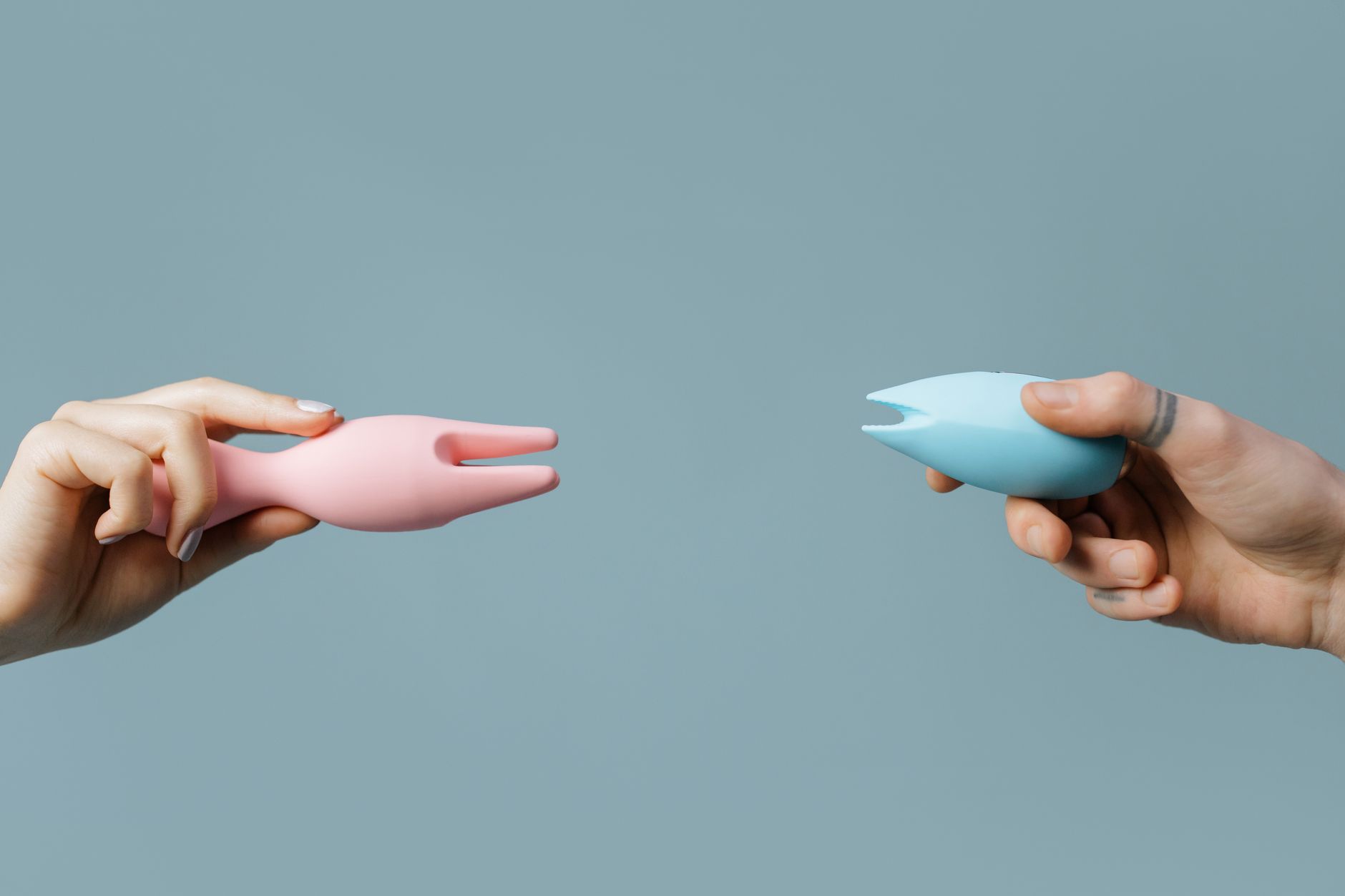
Photo by cottonbro studio on Pexels
How to actually assess your sensitivity
Take a day when you're fairly calm and alone. Use your fingers to explore your clitoris directly. Really notice: does light touch feel good? Slightly uncomfortable? Do you need moderate pressure to feel pleasure? Light pressure on the shaft versus the glans can feel totally different too.
Now try an electric toothbrush on its lowest setting against your inner wrist or neck (not your clitoris yet). How does that feel? Too much? Just right? Now try the back of your hand. This gives you a baseline for vibration frequency and intensity that your nervous system has already told you about.
The next step is real exploration with an actual toy, ideally one where you can adjust intensity. When you first use it, start at the lowest setting and take your time. Notice the exact moment it transitions from "that's nice" to "okay, I need a break" or "I want more."
Write it down. Seriously. You will forget, and you'll repeat the same guessing game next time.
Pattern over power for most people
Here's something counterintuitive that I see repeatedly in my practice: the pattern of vibration often matters more than raw intensity.
A steady buzz at moderate power can feel intense and stimulating. But the exact same power in a pulsing rhythm, or in a rhythm that builds and releases, can feel gentler. Some people respond better to constant vibration. Others find it fatiguing and prefer rhythms that create variation.
This is especially true if you've been using the same toy for a long time and started feeling like how to use a lemon vibrator when you have a desensitized clitoris from frequent use. Switching to a new pattern can feel like waking up.
When you're choosing a lemon clitoral vibrator, look at what patterns are available. Can you dial between steady, pulse, and build? That flexibility is worth more than a marginal increase in maximum power.
The material and contact shape factor
This is where a lot of people zone out, but it actually changes everything.
Silicone (which Lemon Clitoral uses) has a certain feel against skin. It's smooth, slightly forgiving, and warm. That softness can be the difference between comfortable and overwhelming if your clitoris is on the sensitive side.
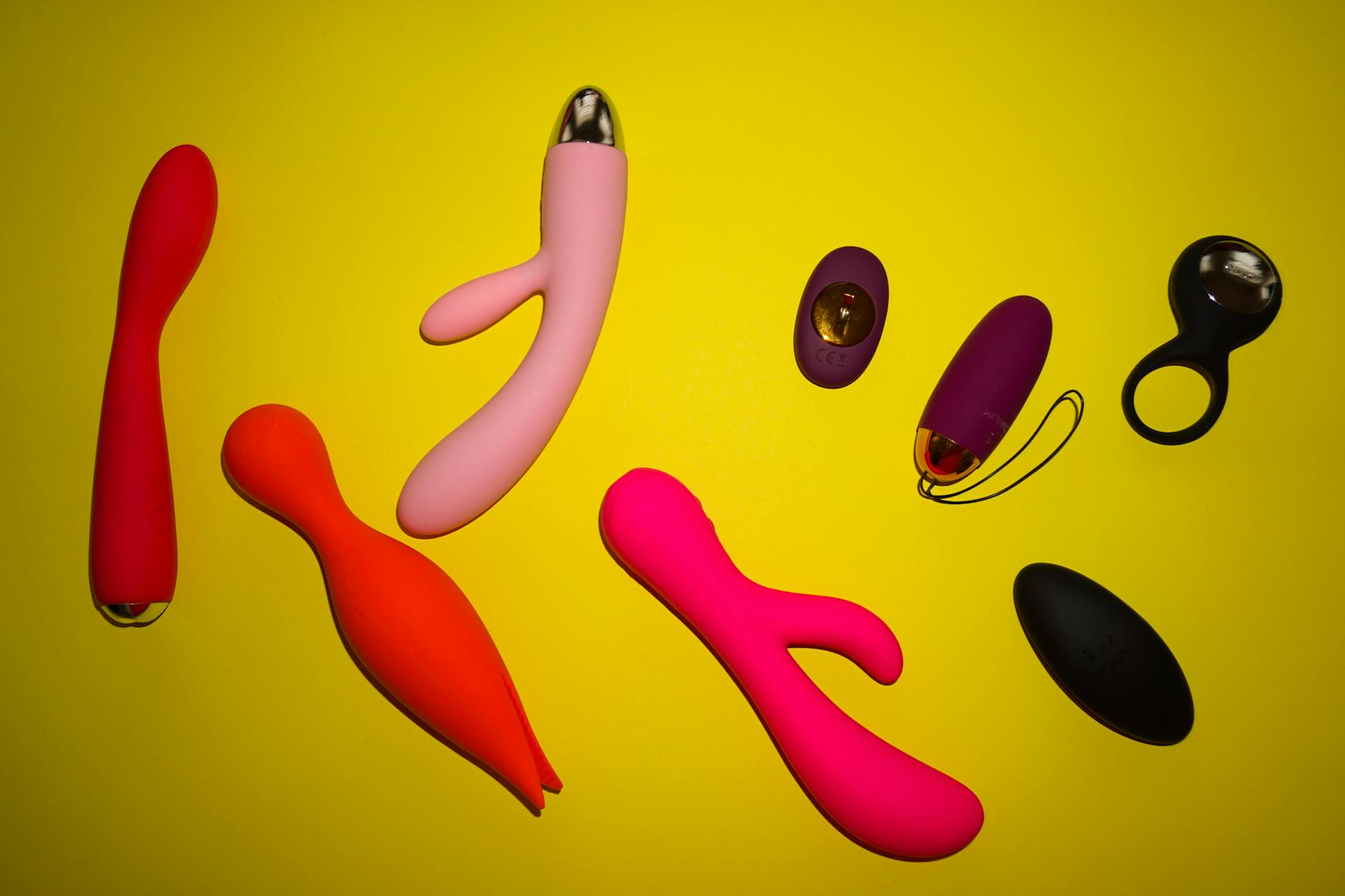
The shape of the contact point also matters wildly. Some toys have a flat, broad contact. Some have a more pointed or ridged surface. Some are designed specifically for suction, which works differently than direct vibration. Suction can feel less intense than vibration at the same power level, because it's distributing the stimulation across a broader area rather than drilling down into one spot.
If you're hypersensitive, a soft, broad contact surface with suction capability is often better than a compact, pointed vibrator at maximum buzz. If you need deeper stimulation, you might want something with a more concentrated contact point.
How to test before you commit
This is the part I really want you to hear: don't feel obligated to love a toy because you paid for it.
Read reviews, obviously. But specifically look for people who describe their sensitivity in a way that mirrors yours. "I'm usually too sensitive but this one felt perfect" is a way better signal than "most powerful vibrator I've ever tried."
Read the specs. Look at the material. Check whether there are intensity levels and what patterns are available. If a toy has five patterns but you're sensitive to steady buzz, that's not the right match.
Reach out directly if the site has a contact option. Good companies answer questions about sensitivity and use cases. We do. You're allowed to ask.
Starting your exploration the right way
When you first get your lemon vibrator, treat it like a research project, not a performance.
Start at the lowest setting. Spend time there. Use it when you're already partially aroused, not when you're starting cold. Arousal actually deadens sensation slightly and makes stimulation feel less raw. Your clitoris is less sensitive when blood is already flowing to the area.
Move slowly up through the intensity levels across multiple sessions. Notice where it shifts from "this is building arousal" to "this is peak stimulation" to "I need a break." That map is your personal guide.
If something hurts or feels wrong, stop. Full stop. Your body is telling you something, and what feels wrong today is rarely something your nervous system learns to love tomorrow.
When sensitivity changes (and it will)
Here's the reality: your sensitivity shifts. Sometimes across your cycle, sometimes across years, sometimes seemingly for no reason at all. How to use a lemon vibrator when arousal takes longer to build is literally a different question than when you're twenty-five versus forty. And that's completely normal.
This is why flexibility matters in a toy. You want something where you can scale intensity up or down based on what your body needs on any given day. A toy with only one fixed speed is useful for exactly one sensitivity level. Everything else is compromise.
Choosing the right lemon vibrator for your sensitivity level isn't about finding the "best" toy in the world. It's about finding the right match for your body right now. And understanding that match takes patience, attention, and permission to change your mind.
People also ask
What's the difference between a rumble and a buzz in a vibrator?
Rumble is a low-frequency vibration that feels deep and resonant. It travels through your tissue. Buzz is higher-frequency, more surface-level. Most people find rumble less overwhelming than buzz because the stimulation feels diffuse rather than concentrated. If you're sensitive to vibration, a toy with a rumbly frequency profile often feels gentler than the same power in a buzzy frequency. This is why some lemon vibrators are built with specific frequency ranges. Check the specs if sensitivity is a concern.
Can a vibrator be too soft for my clitoris?
Yes. If you genuinely struggle to feel pleasure from vibration, it's possible you need either higher intensity or a different contact style altogether. Suction-based stimulation (where it pulls rather than vibrates) can sometimes unlock sensation when pure vibration isn't doing it. Or you might need a toy with a more concentrated contact point. But "too soft" is also sometimes a signal that you need more arousal before you use the toy, not that the toy is wrong.
How do I know if I should get a powerful vibrator or a gentle one?
Start with something moderate, not extreme in either direction. A toy with three or four intensity levels gives you actual range to explore. If you're erring on the side of caution, start lower rather than higher. You can always add intensity. Backing off from overstimulation takes willpower you might not have in the moment. Read reviews from people with similar bodies and sensitivities, not just people seeking maximum power.
Does sensitivity level affect which lemon adult toys I should try?
Completely. A person who's hypersensitive will have a very different experience with a concentrated-contact vibrator than someone who needs deep stimulation. This is why pattern and material matter as much as raw power. For some people, a suction toy feels like the breakthrough they've been waiting for. For others, it's overwhelming. Know your sensitivity profile first, then choose the toy architecture that matches it.
Can I become less sensitive if my toy feels too intense?
Rarely, not how you think. Your clitoris won't "toughen up" from exposure to overstimulation. What actually happens is desensitization, where you need increasing intensity to feel the same amount of pleasure. This is the opposite of what you want. What does work is leaving time between sessions (a few days to a week) so your nerve endings genuinely reset. And using a toy that matches your current sensitivity, not forcing yourself to tolerate something that feels wrong.
What if my sensitivity changes mid-session?
It does. Arousal builds, and sensations that felt amazing five minutes ago can suddenly feel too intense or not enough. This is why having intensity control matters so much. You should be able to dial it up or down based on what your body needs in real time. A toy that only has one speed is genuinely limiting when sensitivity fluctuates within a single session.
The bottom line
Choosing the right lemon vibrator for your sensitivity level is a conversation between you and your body, not a guessing game based on marketing copy. Assess what you actually feel, not what you think you should feel. Match intensity to your current needs, not an imagined future need. Look beyond power to pattern, material, and contact shape. And understand that your sensitivity will shift, so flexibility in your toy matters more than being at the absolute maximum on the specs sheet.
Your pleasure deserves that level of attention. Start there.