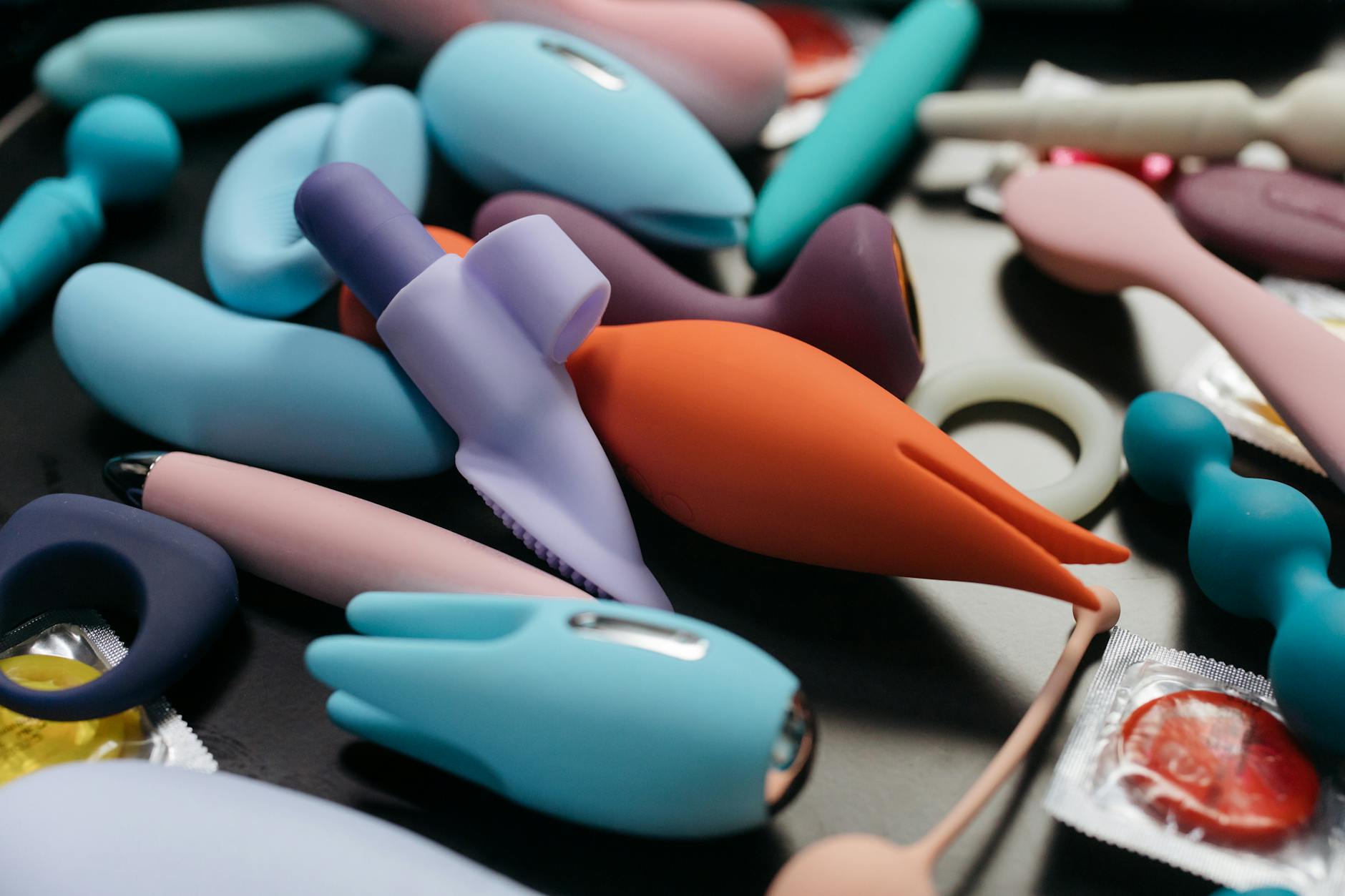
The actual barrier to buying your first toy
Here's the thing about first vibrators: the anxiety isn't really about the toy itself. It's the story you're telling yourself about what owning one means. That you're broken. That you should be satisfied without help. That your partner might feel inadequate. That you're being unfaithful to some imaginary rule.
None of that is true, but it lives in your head anyway. And that's the real thing we need to deal with first.
Owning a vibrator is not a referendum on your relationship, your body, or your character. It's a tool. Like a vibrating neck massager, except intentional. And honestly? It's one of the smartest decisions for pleasure you can make.
Why lemon vibrators are actually ideal for beginners
Lemon Clitoral makes toys specifically designed for people who aren't sure they want one yet. That matters.
Most beginner vibrators are either toy-store junk (unreliable, loud, break in three months) or designed for people who already know what they're doing. Lemon vibrators sit in the sweet spot: they're affordable enough that you're not risking hundreds if you decide it's not for you, but they're engineered well enough that if you like it, you'll actually use it.
The suction mechanism is gentler than traditional vibrators. You're not forced into intense buzzing if that's not your speed. The patterns are intuitive. And they're actually designed for clitoral tissue, not shaped like something else and used badly.
Start with the entry-level Lemon Clitoral Vibrator or consider the Berri if you want something slightly smaller and less intimidating. Both are quiet, rechargeable, and won't make you feel like you're operating laboratory equipment.
The decision point: solo or with a partner
This matters more than it seems. Not because one is better, but because the logistics change.
If you're exploring alone, you can experiment without an audience. Take your time. Figure out what actually feels good without anyone else's expectations in the room. This is genuinely powerful. You learn your own body without performance pressure.
If you're using it with a partner, a conversation first saves awkwardness later. Not a deep one. Just: "I want to try adding a vibrator. I'm nervous about it. You in?" Most partners are relieved you're saying something instead of being surprised mid-intimacy.
If your partner isn't comfortable, that's worth naming and discussing separately from whether you use the toy. Sometimes resistance softens once you explain it's about expanding sensation, not replacing them. Sometimes it doesn't. But pretending you don't want one rarely ends well.
What to do the first time you unbox it
Charge it fully. Don't use it while charging, even if the instructions say you can. Give yourself a few hours of full battery.
Read the instructions. I know it's boring, but lemon vibrators have specific care instructions and the pattern sequence is unintuitive at first. You'll thank yourself.
Clean it thoroughly with warm water and a toy-safe cleanser. Even new toys accumulate dust during manufacturing and shipping. This isn't paranoia. It's hygiene.
Try it with your hand first, not on your body. Feel the vibration pattern. Get used to the weight. Understand what the buttons do. This removes one variable when you're nervous.
Use it in private, in a comfortable place. Not during some weird time window when you're rushed. Give yourself 20 to 30 minutes minimum with zero interruptions. Put your phone away.
The first actual session: setting yourself up
Water-based lubricant changes everything. Your clitoris doesn't need lubrication the way a vagina does, but lube reduces friction and makes sensation easier to feel. Buy one, use it. It's not admitting defeat. It's logistics.
Start with pattern one or two. Not the highest setting. You can always increase. You can't unintense sensation.
Aim for your clitoris. Not inside. The toy is designed to work externally. Angle it slightly and experiment with pressure. Light touch first. The suction mechanism works best when there's a small seal between the toy and your body, which doesn't require force.
If nothing happens in five minutes, that's normal. Arousal isn't instant and it's definitely not instant under pressure. Switch patterns. Try a slightly higher setting. Or take a break and come back. Your brain is the biggest sex organ here.
Don't make it a performance. You're not trying to orgasm. You're trying to figure out what sensation feels good. Those are wildly different goals and treating it like the latter removes all the pressure.
The emotional stuff nobody talks about
You might feel weird. Guilty. Awkward. That doesn't mean something is wrong.
A huge portion of pleasure anxiety comes from internalized messaging that your desire is shameful or shouldn't be easy. So when it is, something feels off. It shouldn't be this good. It shouldn't be this quick. I shouldn't enjoy this.
That voice isn't telling you the truth. It's just telling you what you were taught.
You might cry after an orgasm, especially if you've spent years thinking you weren't capable of them. That's not weakness. That's relief.
You might feel disconnected from the experience the first few times. Like you're observing rather than experiencing. That usually means your nervous system is still in a mildly protective state. Keep the pressure low. Come back. It often softens.
None of these reactions mean you shouldn't have bought the toy. They mean you're normal.
Timing, frequency, and reasonable expectations
There's no correct frequency. Once a week. Once a month. Three times a week. Whatever you want.
Don't use it as a test, like you're measuring your body's worth on how quickly you finish. That's the opposite of why you bought it. You bought it to feel good, not to perform.
If you're someone who needs a long time to build arousal, give yourself that time. Don't clock-watch. Some people need 10 minutes, some need 40. When you want better orgasms but fear losing sensation, the variable that matters most is patience, not intensity.
You don't have to orgasm every time to make it worthwhile. Sometimes pleasure is just sensation. Building arousal without finishing can be its own form of satisfaction and actually trains your body to be more responsive over time.
If it's not working: troubleshooting
The toy isn't defective. Your body isn't broken.
Most of the time, first-session friction comes down to one of three things: you're nervous (kill the pressure, change the environment), the pattern isn't right (scroll through them, don't assume pattern one is the one), or you need more foreplay (get yourself already aroused before introducing the toy).
Some people take weeks to feel comfortable. That's not unusual. You're rewiring years of "this is weird and wrong." Your nervous system needs time to catch up.
If nothing changes after several months, then think about whether you actually want to explore toys or whether this was pressure from somewhere else. There's no shame in figuring out toys aren't your thing. But give yourself a real shot first.
How to have the partner conversation if it comes up
Don't make him the villain of the story. "I want to try something new" is different than "you're not enough." The first is true. The second isn't.
Be specific. "I want to try a vibrator during foreplay" is clearer than "I want to add something to our sex life." Less room for imagination to fill in scary spaces.
Listen to the actual concern, not the stated objection. "I feel like you won't need me anymore" is different than "that seems weird." Address the real fear.
Offer to involve him. Some partners love adding a vibrator together. Some prefer it stays solo. Both are fine. It's not about what he's comfortable with overriding what you want. It's about finding a configuration where both of you get to feel okay.
If he refuses and you've asked genuinely for permission without demands, you get to decide what you do with your own body. How to use a lemon vibrator when your partner isn't comfortable with toys goes deeper into that specific tension.
Cleaning, storage, and keeping it alive
Clean it after every use with warm water and toy cleaner. Takes 30 seconds. Dry it completely.
Store it somewhere private but accessible. Not shoved in a box under your bed where you resent digging for it. Keep it where you might actually use it.
Recharge monthly even if you're not using it. Lithium batteries degrade if they're always empty. Full discharge shortens the lifespan.
If the motor starts sounding weird or the charge doesn't hold, that's expected after 2-3 years of regular use. How long does a lemon vibrator last before needing replacement? covers the exact timeline.
Your vibrator is equipment, not a shameful secret. Treat it accordingly.
FAQ: What new vibrator users actually ask
Is it normal to feel nothing the first time?
Completely normal. Arousal is psychological and physical. You're probably nervous, maybe skeptical, definitely self-conscious. That's the opposite of the mental state that produces orgasms. You might need three or four sessions before your nervous system believes this is safe and okay. Stop timing it.
Will it desensitize my clitoris?
No, actually. Desensitization usually comes from friction from cheap toys or from too much pressure on the exact same spot for years. A well-designed vibrator like those from Lemon Clitoral used reasonably is not going to damage sensation. The opposite: regular orgasms actually improve blood flow to the area and increase sensitivity over time.
Can my partner feel it if we have sex afterward?
No. Your clitoris is external. The vibrator doesn't affect the vaginal canal. Your partner won't feel a difference, won't feel the vibrator if you remove it first, and honestly won't be thinking about it because he'll be focused on other things.
What if I never orgasm with a vibrator?
Some people don't. Some people need even more time than others. Some people's bodies respond to different stimuli. That doesn't mean you failed or the toy is bad. You might be someone who prefers manual touch, or who needs different patterns, or who just doesn't get off that way. You can still enjoy the sensation and the exploration without orgasm being the goal.
Is it weird to use it during partnered sex?
Not weird at all. Lots of couples use vibrators together. Some during foreplay. Some during intercourse. Some for one partner while the other watches or participates differently. It's a tool that can expand what you do together, not replace anything.
How do I bring it up if we've been together for years without toys?
Honestly. "I've been thinking about trying a vibrator and I'm nervous about how you'd feel." Then listen. If he freaks out, that's information about his insecurity, not about your request being unreasonable. You get to want this. He gets to have feelings. Both can be true.
You're ready
You bought it. You opened it. You charged it. You used it. Congratulations. You just did something a huge number of people want to do but never quite get around to.
The confidence you're feeling right now? That stays. It expands. It applies to other parts of your life where you've been people-pleasing instead of advocating for yourself. That's the real gift.
Your pleasure matters. It was always going to. The vibrator just makes it easier to believe.