Let's talk about the thing no one warns you about
Your body used to respond a certain way. Now it doesn't. That shift can feel sudden or it can creep up so gradually you're not sure when it happened. Either way, it's unsettling. You touch yourself the way you always have and... less happens. Or it takes longer. Or it takes more.
Here's what I want you to know first: this is normal, it's fixable, and it doesn't mean your pleasure is broken.
Why bodies become less responsive (and it's not always what you think)
Responsiveness depends on dozens of things stacked on top of each other. Hormones, yes. But also stress levels, sleep quality, how much you're in your head, medication side effects, relationship dynamics, how much you're touching yourself regularly, and honestly, sometimes just the weather and whether you had enough water.
The clinical term is arousal variability. Your baseline shifts. When you're stressed, your nervous system stays partly in fight-or-flight mode. That makes it harder for pleasure signals to get through. Chronic stress literally dampens sensation.
Age matters too, but not how you think. People in their 40s, 50s, 60s and beyond report incredible responsiveness when the conditions are right. The difference is the conditions have to be deliberately created now. You can't count on spontaneous arousal the way you might have at 22. That's not loss. That's a different system requiring different setup.
The neuroscience of rebuilding sensitivity
Your clitoris has about 8,000 nerve endings. They don't go away when you're less responsive. What changes is the signal getting through to your brain. When you're anxious, your sympathetic nervous system (the fight-or-flight one) overrides your parasympathetic nervous system (the rest-and-digest one where pleasure lives).
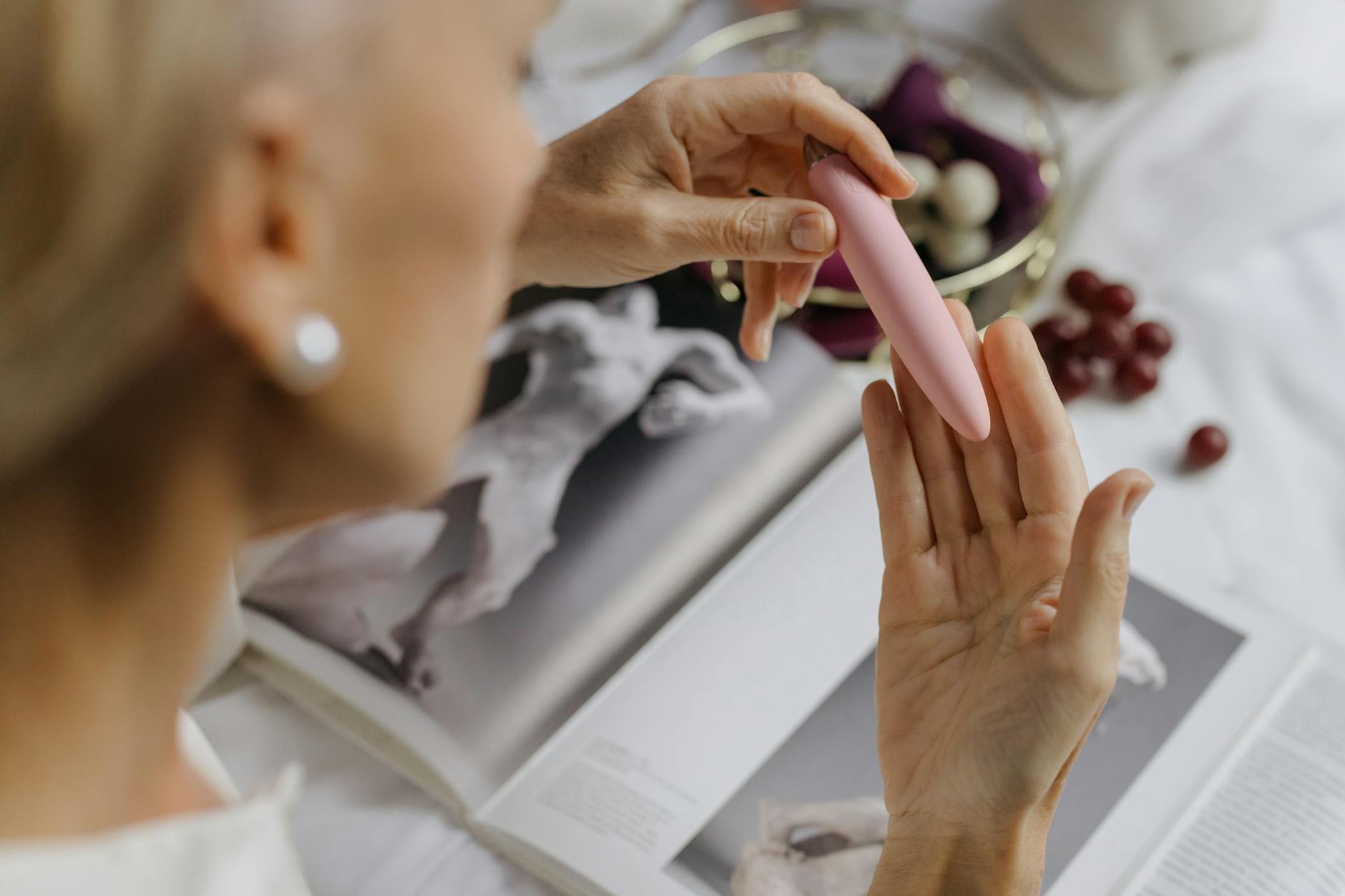
Using a lemon clitoral vibrator works because it bypasses some of that static. Vibration stimulates nerves at a frequency your body can't ignore. It's harder to stay in your head when 10,000 micro-movements per second are happening at your clitoris. The stimulation is direct enough that low-level responsiveness doesn't block the signal.
That means rebuilding sensitivity is less about "finding the right angle" and more about creating the conditions where your nervous system can actually receive what you're sending it.
Step one: the environment matters more now
When your body is less responsive, ambient noise and interruptions kill everything faster. You need actual quiet. Not silence necessarily, but a space where you're not half-listening for a partner coming home or a child waking up or a notification.
Lock the door. Put your phone on airplane mode. Tell your partner you need 45 minutes and you're not available. This isn't luxurious. It's necessary infrastructure.
Warmth helps too. A warm room, warm hands, maybe a heating pad nearby. Cold shuts down pleasure signals. Warmth opens them up. This is basic neurology, not mysticism.
Step two: warm up longer than you used to
Your clitoris needs more time to engorge now. That's not a problem. It's just information. Budget 15 to 20 minutes of slow touching, breathing, maybe some music or erotica that actually lands for you, before you introduce the lemon vibrator.
During this warm-up, pay attention to where sensation exists, not where it doesn't. Your inner thighs. Your breasts. Your neck. Your hands. The goal isn't to feel everything equally. It's to wake up the nervous system.
When you do introduce the lemon vibrator, start on the lowest setting. I know this sounds obvious. Most people skip it anyway. Don't.
Step three: pattern changes everything
The Lemon Clitoral has multiple vibration patterns. If you've been using the same pattern for years, your nervous system has adapted to it. It's like listening to the same song on repeat. Your brain stops processing it as novel stimulation.
Rotate patterns. Use pattern one for a week. Then pattern two. Notice which ones feel different, which feel like they're hitting a specific spot, which seem to build sensation slowly versus hitting hard.
This isn't about finding "the best" pattern. It's about keeping your nervous system engaged. Novelty rewires responsiveness.
Step four: slower pressure, longer duration
When sensation is muted, people often push harder or go faster. That usually backfires. Your clitoris gets fatigued, sensation deadens further, and you're frustrated in 10 minutes.
Instead, hold the lemon vibrator in one spot longer than feels natural. 30 seconds. Then move slightly. Then 30 seconds more. This is almost meditative. It's also how you actually rebuild nerve sensitivity. Sustained, gentle stimulation teaches your nervous system that pleasure is available.
If you've been through something like antidepressant-related numbness or high-stress periods, this slow rebuild is especially important.
Step five: your brain is the biggest erogenous zone
When your body feels less responsive, what you're thinking about matters twice as much. If you're performing pleasure, mentally comparing yourself to how you used to feel, or waiting for sensation to show up, your sympathetic nervous system stays engaged and blocks pleasure.
Use erotica or porn. Read during warm-up. Build a fantasy. Text your partner something that makes your stomach drop. The specific content matters less than whether it actually lands for you.
Here's the thing: if you haven't been touching yourself regularly, your body has less data about what responsiveness even is right now. You have to rebuild the map.
When numbness is medication-related
Some antidepressants, antihistamines, and blood pressure medications flatten arousal and sensation. This is real. It's not psychological. It also usually has a fix, but you need to know it's happening first.
Talk to your prescriber. Don't just suffer. Sometimes timing the medication differently, switching medications, or adding something else entirely changes everything. A good doctor takes sexual side effects seriously.
In the meantime, the lemon vibrator can help bridge the gap. Stronger stimulation sometimes gets through where softer touch doesn't.
The partnership conversation (if you have one)
If you have a partner, they're probably noticing too. The worst thing you can do is make them guess why you're less responsive. It feels like rejection even when it isn't.
Tell them what's actually happening: "My body needs more time to warm up now." "I'm dealing with stress and my nervous system is offline." "My medication is affecting sensation." The specificity matters. Then tell them what helps: longer foreplay, different patterns, a device like the lemon vibrator.
This also means: they don't have to be part of your solo rebuild process. Sometimes the fastest way to get responsiveness back is to explore it alone, without the pressure of being desired. Once you've rebuilt the map for yourself, you bring that back to your partnership.
When it's actually a bigger issue
If you've gone months without any sensation returning, or if numbness came on suddenly after a medication change or health event, see a doctor. Persistent lack of responsiveness can be a symptom of something that needs actual treatment. Hormonal changes, neurological things, circulation issues, sometimes just needing a medication adjustment. Don't assume it's permanent or psychological.
FAQ: rebuilding sensitivity and responsiveness
How long does it usually take to feel responsive again?
Anywhere from a few weeks to a few months, depending on what caused the numbness. If it's stress-related, responsiveness often comes back as quickly as stress drops. If it's medication-related, it depends on whether you change the medication. If it's age-related or hormonal, you're rewiring long-term. The point is: you're not looking for a magic fix. You're reestablishing a new baseline. Some people find that their rebuilt responsiveness is actually deeper than before.
Can I use a lemon vibrator if I'm already numb?
Yes. In fact, it's often the best tool for it. Numbness usually means your nerves need stronger stimulus to register anything at all. The targeted vibration of a lemon clitoral vibrator is more effective than hand stimulation for rebuilding that signal. Start slow anyway. More intensity doesn't equal faster results.
Does using a vibrator make numbness worse?
No, the opposite. The concern that vibrators desensitize you is mostly backwards. Regular, varied stimulation usually improves nerve responsiveness over time. What flattens sensitivity is the same pattern, every day, for years. If you're rebuilding, rotating patterns and taking breaks actually strengthens sensation.
What if my partner thinks this means I don't want them?
Tell them directly before you go down that spiral. "I'm working on rebuilding my body's responsiveness because stress has muted sensation. This is about me recalibrating, not about wanting you less." If you need solo time to do that, frame it that way. "I need a few weeks to explore this alone, then we rebuild together." Most partners find this less scary than wondering if the change is about attraction.
Should I be using the lemon vibrator every day to rebuild sensitivity?
Not necessarily. Daily use without breaks can sometimes flatten sensation paradoxically. Try every other day, or three times a week with varied patterns. If you're rebuilding, consistency matters more than frequency. A short, focused session three times a week will outperform scattered daily use where you're tired or distracted.
What if nothing is working?
Step back. Are you actually rested, unstressed, and hydrated? Are you in a space where you won't be interrupted? Are you using a pattern you haven't used in months? Sometimes the issue is the setup, not the tool. If those pieces are right and sensation still isn't returning after 6-8 weeks of consistent, varied stimulation, loop in a doctor. Numbness that doesn't budge sometimes signals something that needs medical attention.
The reality of rebuilding
Your body's responsiveness isn't fixed. It shifts with your life. Sometimes that shift is frustrating. Sometimes it's an invitation to rebuild something better than what you had before. The lemon vibrator is a tool for that rebuilding, but the real work is the setup: the quiet space, the longer warm-up, the different patterns, the mental clearing.
Responsiveness returns when you stop chasing it and start creating the conditions for it. That looks different now than it did before. That's not loss. That's adaptation.
Resources and next steps
If responsiveness issues are tied to relationship stress or life transitions, reconnection with your partner often matters as much as the physical tool. If you're unsure whether your numbness is normal variation or something that needs medical attention, our FAQ page has information on when to reach out to a healthcare provider.
For more on sensitivity and how your body responds differently at various life stages, explore our full resource library. And if you're just starting out with a clitoral vibrator, our buying guide walks through how to choose the right tool for your current body and needs.