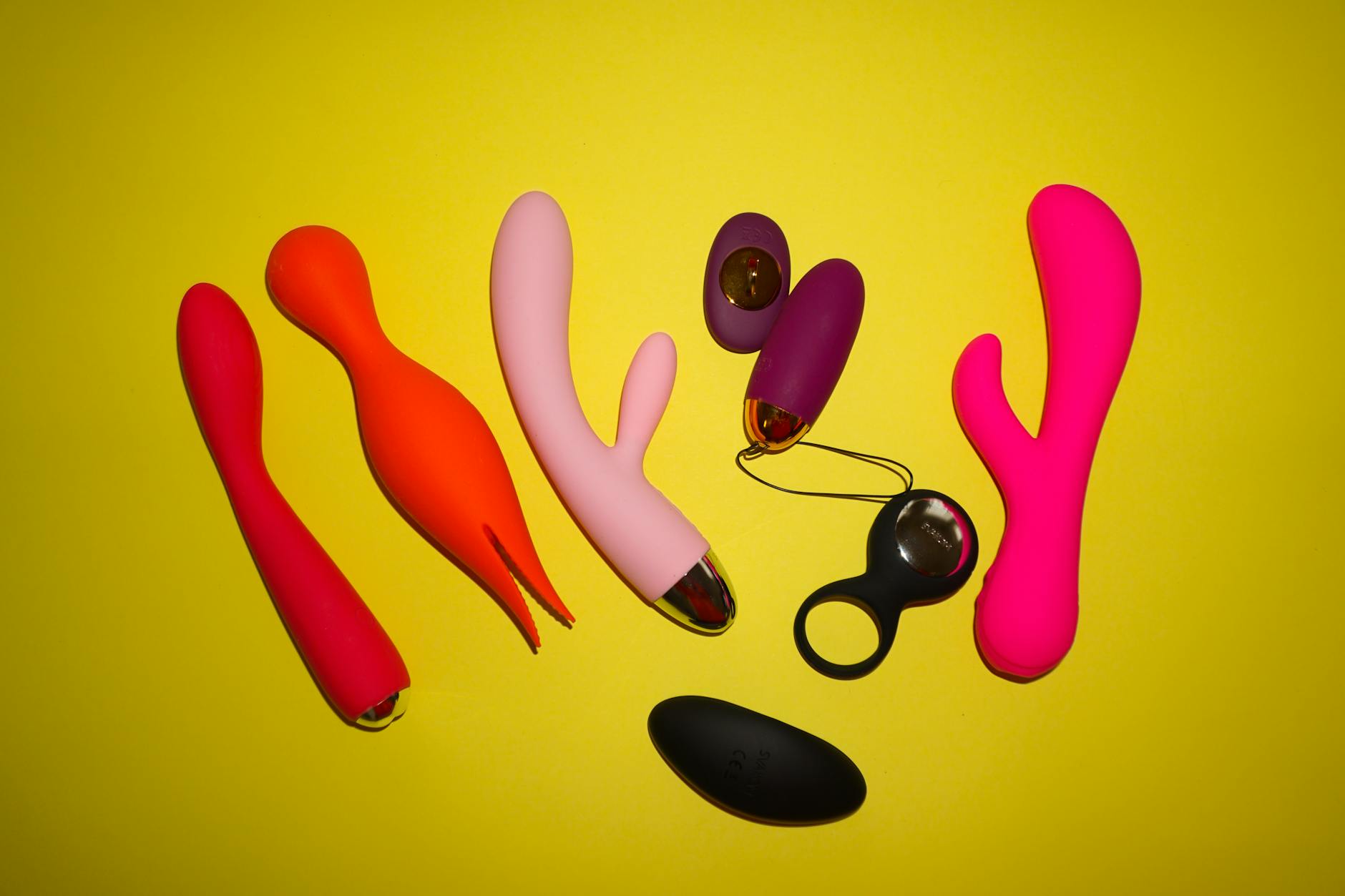
Let's be real about the learning curve
Owning a lemon clitoral vibrator is not the same as knowing how to use one. Most people jump straight to the highest setting and wonder why it feels either too intense or strangely numb. The sweet spot is nowhere near maximum power. It's about layering sensation, patience, and understanding what your body actually responds to.
I've worked with hundreds of people navigating pleasure and intimacy, and the single most common mistake I see is treating vibrators like an on-off switch instead of an instrument. This guide walks you through the actual technique.
Start with the right warm-up (it's not optional)
Your body needs blood flow before you dive in. Foreplay is not a preamble to the main event. It is the main event, and it matters wildly more when you're using a vibrator.
Spend 10-15 minutes building arousal before you even turn the lemon on. This might be mental (think about what turns you on), physical (touch your thighs, inner arms, neck), or a mix. When blood reaches the vulva, the tissue swells slightly. This changes sensitivity and responsiveness. Start your vibrator before that happens and you're missing 60 percent of what it can do.
If you're using a lemon vibrator with a partner, this warm-up time is also where you reconnect. Touch them. Let them touch you. Build something together, not just individually.
Finding the right contact angle
Here's where most people get it wrong: they hold the vibrator directly on the clitoris. That's one option, but not always the best one.
The clitoris has a shaft (the part you can't see) and a glans (the visible head). Sensation varies wildly depending on which part is receiving the vibration. Some people prefer the vibration on the glans itself. Others find the shaft, positioned just above and behind the clitoral hood, way more responsive. A few people prefer stimulation on the labia or the surrounding area entirely.
Start by experimenting without turning it on. Hold the lemon vibrator at different angles. You're mapping your own pleasure geography. When you find a spot that makes you want to keep your hand there, mark that position mentally. Turn it on low there first.
Many people discover that angling the vibrator slightly to one side, rather than centered, creates more focused sensation. Try it. Your body will tell you if it's right.
The pattern and intensity dance
Every clitoral vibrator, including the lemon design, has multiple patterns and intensity levels. This is not decoration. These exist because different sensations trigger different responses at different moments in your pleasure cycle.
Start at setting 1 or 2. I mean genuinely start there, not "I'll bump it up immediately." Low vibrations allow you to feel the pattern without the numbing effect that high intensity creates. You're looking for the frequency that makes you think "yes, more of that," not "stronger." Those are different instructions.
Once you've found a pattern and setting that feels good, stay with it for 2-3 minutes. Your body builds arousal in layers. Switching settings constantly interrupts that process. Let sensation build. You'll know when it's time to adjust.
Many people find that they prefer a steady rhythm for the first few minutes, then switch to a pulsing or ramping pattern as arousal deepens. The lemon's range of patterns makes this easy. Experiment to find your progression.
Breathing and tension management
Here's something nobody talks about: you can derail your own orgasm by holding your breath and clenching your thighs.
When sensation builds, the instinct is to grip. Tighten. Hold. Fight to keep the feeling. This actually blocks the path to orgasm. The pelvic floor needs to relax, not contract, for orgasm to happen.
Try this instead. Breathe slowly and deeply while you're using your lemon vibrator. In for four counts, out for four. Your pelvis should feel soft, not braced. If you notice your thighs are clamped together, ease them open slightly. This feels counterintuitive because the sensation might seem to decrease temporarily. It won't. It will transform.
Most importantly, you cannot force an orgasm. You can invite it. You can build the conditions for it. But striving kills it. Stay curious about the sensation instead of demanding a particular outcome. Orgasm often arrives when you stop hunting for it.
Solo versus partnered use
Using a lemon clitoral vibrator alone and using one with a partner are completely different experiences. Both are valuable.
Alone, you have unlimited time to explore. No performance pressure. No one else's timing to sync with. This is when you discover what your body actually wants without any external agenda.
With a partner, the lemon becomes a tool for connection, not just sensation. Your partner can hold it while you guide them (yes, specific feedback helps). They can use it while also touching you elsewhere. They can watch you respond and adjust based on what they see. This requires communication that some couples find awkward at first. It gets easier.
One thing that helps: decide beforehand whether the vibrator is for you, them, or both. Different session, different intention. Clarity kills a lot of the weird tension.
Troubleshooting the most common problems
Numbness after a few minutes. You're on too high a setting. Drop down two levels. Numbness means your nerve endings are overwhelmed. Lower intensity lets you feel more.
Nothing is happening at all. Either the warm-up was too short, or you need a different contact angle. Try moving the lemon vibrator slightly. Sometimes a millimeter changes everything.
It feels good but I can't finish. You might be trying too hard. Stop aiming for orgasm and just enjoy the sensation. Seriously. Orgasm often follows when you remove the pressure.
My partner feels left out. Communicate what you need. "I want you to hold it" or "I want you to touch me here while this is running" or "I want to figure this out alone first." A lemon vibrator is not a threat to your partnership. Secrecy is.
Maintenance matters (boring but necessary)
A lemon vibrator works best when it's clean and charged. After use, wipe it down with a damp cloth and let it dry completely. Silicone is porous, so bacteria can hide. Keep it clean.
Charge it regularly even if you're not using it constantly. Batteries degrade less if they're not allowed to fully drain repeatedly. A few minutes of charging each week keeps your vibrator responsive and ready.
Store it somewhere cool and dry, away from direct heat. A drawer with a thin cloth over it is perfect. Temperature and humidity affect silicone durability.
If you want to learn even more about choosing the right device for your body, our complete lemon vibrators guide covers everything from materials to features to fit.
Real talk about pleasure and time
The speed of orgasm in movies is fiction. Most people need 15-30 minutes of consistent stimulation to climax, especially with a vibrator. This is not a failure. This is biology. Budget time accordingly. Rushing yourself creates stress, and stress is the enemy of pleasure.
Your lemon clitoral vibrator is not a time-saving device. It's a pleasure-deepening device. Use it when you have real time and genuine interest, not as a quickie shortcut. The difference is significant.
Frequently Asked Questions
How long can I safely use a lemon vibrator in one session?
There's no hard time limit, but most people find that continuous stimulation for more than 45 minutes becomes tiring or numb-inducing. If you're going longer, take breaks. Turn it off for a few minutes, let sensation reset, then turn it back on. Your nervous system will thank you.
What if I don't feel anything at all even after trying different angles?
Some people have naturally lower clitoral sensitivity, and that's completely normal. You might need a different vibrator design altogether. Air-suction devices work differently than traditional vibration. A wand-style vibrator has different contact patterns. Before assuming vibrators don't work for you, try a few different types.
Can I use a lemon vibrator if I have a vulvodynia or other pain condition?
Yes, but carefully. Start at the absolute lowest setting. Many people with vulvodynia find that gentle, consistent low-frequency vibration actually helps desensitize pain over time. If vibration increases pain, stop. Not everything works for every body.
Should I use lube with my lemon vibrator?
It's optional but often helpful, especially if you have any dryness. Water-based lubricant reduces friction and makes the vibrator glide smoothly. It also feels better for most people. Avoid silicone-based lubes with silicone toys. They can degrade the material over time.
How do I know if I'm using it correctly versus forcing it?
Correct use feels good and builds steadily. Forcing feels tense and frustrating. If you're clenching, holding your breath, or feeling impatient, pause. Relax. The goal is sensation, not achievement. When you're doing it right, you forget about technique entirely.
Can vibrators reduce sensitivity over time?
Not permanently. If you notice decreased responsiveness, take a break for a week or two. Your nervous system recalibrates. You'll return to baseline sensitivity, often with even more awareness of what you like.
Your lemon clitoral vibrator is a tool for exploration, not a shortcut to pleasure. The real magic comes from patience, attention, and permission to enjoy yourself without judgment. That's where everything changes.