Here's what nobody tells you about pleasure after 40
Your orgasms don't get smaller as you age. They often get bigger, deeper, and more reliable. The catch? Getting there requires permission and a slightly different toolkit than what worked at 25.
I've worked with hundreds of clients in their 40s, 50s, and beyond, and the pattern is consistent: women report the most satisfying, intense orgasms of their entire lives happened post-40. Not because their bodies got "better," but because their minds finally got out of the way. And because they invested in understanding what actually works now.
Why your body actually has more capacity at 40 plus
The brain is the largest erogenous zone, and it doesn't age the way culture tells you it does. Here's the physiology that actually matters:
By your 40s, you've logged decades of understanding your own patterns. Your prefrontal cortex (the part that sabotages pleasure with self-consciousness) gets quieter. The neural pathways for arousal are deeply grooved. You know what you want and you're less willing to perform for someone else's timeline.
Your pelvic floor muscles, if you've been using them, have more stamina and control. This translates to orgasms that feel more intense and often longer. The clitoris doesn't shrink. The sensitivity doesn't disappear. What changes is usually hormonal fluctuation, which actually stabilizes post-menopause, making pleasure more consistent month to month.
Most importantly: you have permission now. No fertility anxiety, no pressure to prove anything, no partner expecting you to climax in a certain timeframe. That freedom alone rewires what pleasure feels like.
The lemon vibrator advantage for bodies over 40
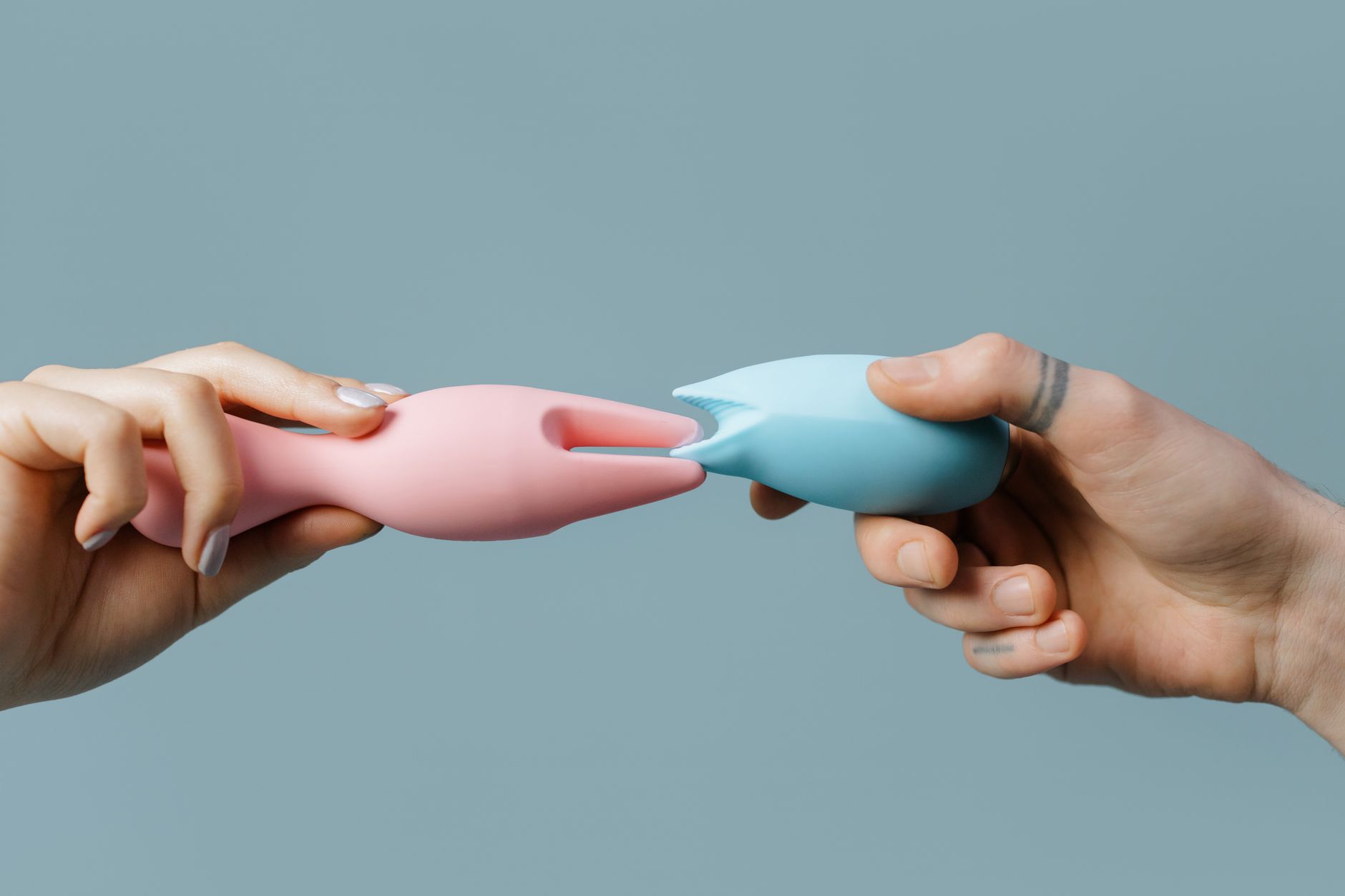
A Lemon Clitoral vibrator works particularly well as you age because of how it stimulates the clitoris. Instead of the direct friction model of traditional vibrators, suction-based stimulation mirrors the way most people's bodies naturally respond to arousal. It's gentler on sensitive tissue while delivering intense, sustained sensation.
With a lemon vibrator, you're not fighting gravity or needing to maintain pressure. The suction does the work. For people whose arousal takes longer to build (which is normal and not a problem), this consistent, pressure-based approach cuts warm-up time without sacrificing intensity.
You also get more granular control. The range of suction intensities on a Lemon Clitoral vibrator means you can start soft and build, which is often how pleasure works best after 40. There's no jarring on-off sensation. Just steady, responsive stimulation that meets your body where it actually is.
Starting fresh if you've been away from pleasure
Many of my clients step back from solo or partnered pleasure during their 30s and 40s due to stress, relationship shifts, or simply losing track of their own needs. Coming back requires gentleness and patience.
Start by reintroducing touch without any device. Spend a week or two just exploring what feels good on your vulva without pressure to climax. Use your fingers, take your time, notice what the sensations are like. This rewires your nervous system out of "performance mode" and back into pleasure mode.
When you introduce a lemon vibrator, begin on the lowest setting. Spend 10-15 minutes just getting familiar with the sensation. You're not trying to orgasm. You're building a conversation with your body again. Many people find that after two weeks of this gentle reintroduction, orgasms return and often feel stronger than they remember.
The warm-up that actually matters
Orgasm intensity after 40 correlates with arousal depth, not with how long you spend having sex. You can spend 45 minutes with a partner and still not reach the kind of arousal that creates powerful orgasms. You can spend 12 minutes alone with a lemon vibrator and get there.
The variable that matters is mental engagement. Are you actually present, or are you thinking about the grocery list? Are you tuned into sensation, or performing arousal?
Here's what a good warm-up looks like: start 10-15 minutes before you plan to use your vibrator. Get into a comfortable position, breathe slowly, and let your mind wander toward fantasies or sensations you find arousing. Touch your vulva lightly, not necessarily to climax but to start building blood flow and sensation. Let your arousal build organically.
When you're feeling relaxed and engaged, introduce your lemon vibrator at a low intensity. Work your way up gradually. This whole arc takes about 20-30 minutes if you're building from scratch, but the orgasms that come from deep arousal are exponentially more intense than rushed ones.
Setting and nervous system matter more than you think
After 40, many people have a household they share with other adults, kids, pets, or all of the above. Your nervous system is in sympathetic overdrive much of the time (managing everyone else's needs, work stress, aging parents). Pleasure requires your parasympathetic nervous system to activate, which means switching off that vigilance.
This is why the context in which you use a lemon vibrator matters more than the vibrator itself. A locked door is not luxurious. It's foundational. A time when you're not listening for someone to need you is foundational. Ten minutes where your phone is silent is foundational.
Many of my clients who struggled to orgasm found that the issue wasn't physical. It was neurological. Their bodies were too busy staying alert. Once they created space and enforced boundaries around their pleasure time, everything changed. The lemon vibrator became the tool, but the permission structure was the real shift.
Intensity, pattern, and how to find your rhythm
After 40, you likely know whether you prefer constant stimulation or varying patterns. Your lemon vibrator probably offers multiple intensities. Most people discover that medium-to-high intensity with the right pattern works best, but this varies wildly.
Experiment methodically. Try one intensity level for a full session. Note what happens. Try the next level next time. After a month, you'll have mapped your preferences clearly. This sounds clinical, but it's actually empowering. You're gathering data about your own pleasure.
Many of my clients report that they prefer medium intensity with varied rhythms over maximum intensity with steady pressure. Variety keeps your nervous system engaged and prevents accommodation (where the sensation becomes white noise and you stop noticing it).
Some people find that alternating between patterns during a session deepens arousal. Start on pattern 1 for five minutes, move to pattern 3 for three minutes, back to pattern 1. This micro-variation can intensify everything that follows.
Partner dynamics shift when pleasure becomes a priority
If you have a partner, using a lemon vibrator solo is not about excluding them. It's about teaching your body what intense pleasure feels like so you can communicate it, access it more easily, and ultimately share it more authentically.
Many couples find that when one partner discovers stronger orgasms through their own exploration, the shared experience deepens. You're not faking or accommodating. You're bringing actual, embodied pleasure into the relationship. That's a different conversation entirely.
If your partner is nervous about a vibrator, frame it as a tool for your pleasure that ultimately makes sex together better for both of you. Because it does. A partner who's experienced genuine arousal and orgasm is more present, more engaged, and more interested in the experience itself.
Frequency and recovery matter after 40
Your body's recovery window might be longer than it was at 25. Some people find that spacing sessions a day or two apart actually yields more intense orgasms. This isn't weakness. It's your nervous system needing time to reset between cycles of arousal and release.
Pay attention to your own pattern. If you notice that sessions feel less intense when you use your lemon vibrator every single day, try spacing them out. You might find that every other day, or three times a week, gives you the kind of recovery time that lets orgasms feel sharp and surprising again.
This is where self-knowledge becomes your best tool. Track what feels good, what intensifies pleasure, and what diminishes it. Your 40s and beyond are when you finally have enough data about your own body to make these calls.
FAQ
Can orgasms actually get stronger after 40?
Yes. Stronger doesn't mean longer or more frequent. It means more intense sensation and deeper physical release. Many people report that their best orgasms happened in their 40s or 50s, often because they had fewer mental blocks, better self-knowledge, and more permission to prioritize their own pleasure. Your nervous system's capacity for sensation actually deepens with age and experience.
What if I haven't masturbated in years and feel awkward starting again?
That awkwardness is normal and temporary. Your body doesn't forget pleasure. It just gets buried under time, shame, stress, or distraction. Start with five minutes of light touching without any expectation of orgasm. Let your mind go where it wants to go. After a week or two of gentle reintroduction, most people find that arousal returns naturally. A lemon vibrator can be introduced once you feel comfortable with basic touch.
Is using a vibrator alone better than with a partner?
They're different. Solo exploration teaches you what your body needs and wants, which ultimately makes partnered sex better. But pleasure with a partner is also legitimate and valuable. Ideally, you develop both. Many couples find that when one partner knows their own body well, the shared experience is more authentic and satisfying for everyone.
How do I know if I'm using the lemon vibrator correctly?
There's no "correct" way, only what feels good to you. That said, most people get better results by starting at a lower intensity and building up, focusing on consistent stimulation rather than moving the device around, and allowing at least 10-15 minutes of warm-up before introducing the vibrator. If something hurts, stop. If something feels numb, you might be using too much pressure or need a break.
What if I still can't orgasm even with the right tools and setup?
Orgasm difficulty after 40 can have many causes: medication side effects, hormonal changes, relationship stress, past trauma, or simply that your body needs different stimulation than you're currently providing. This isn't failure. It's useful information. If orgasms feel consistently out of reach, talking with a sex therapist or menopause specialist can help you identify what's actually happening. Sometimes it's a physical fix. Sometimes it's permission or context. Both are solvable.
Can I use a lemon vibrator if I'm on hormonal birth control or hormone therapy?
Absolutely. Hormonal medications can affect how easily you reach orgasm or how intense they feel, but the vibrator itself works the same way regardless. If you notice differences in arousal or sensation, that's worth tracking and potentially discussing with your doctor. But the vibrator isn't contraindicated by any standard medication.
The orgasms you haven't had yet are waiting
I tell my clients this regularly: your 40s are not the ending of your sexual life. They're often the beginning of the best part. You have the self-knowledge, the permission, the confidence, and now you have the right tool.
A lemon vibrator isn't magic. But it is engineering designed to work with how your body actually responds to arousal. Use it alongside patience, curiosity, and the radical permission to prioritize your own pleasure. The orgasms that follow will likely be the strongest you've ever experienced.
If you want to explore this further or need guidance navigating pleasure as you age, reach out. That's what I'm here for.