When pleasure hurts, everything stops
Clitoral pain isn't rare. It's also not something you have to live with. The moment stimulation triggers sharp sensation, stinging, or that raw nerve feeling, most people just stop. Understandable. But stopping completely isn't the answer either, because avoidance can actually make sensitivity worse over time.
Here's what I've learned working with dozens of people navigating this: clitoral pain and pleasure aren't opposites. They're information. The right tool, the right approach, and sometimes professional support can transform pain into sensation again.
Why clitoral pain happens in the first place
Three main culprits show up most often in my practice.
Dermatological sensitivity. The clitoral tissue is incredibly thin and has one of the highest concentrations of nerve endings on your body. Irritation from friction, soap residue, tight clothing, or even aggressive hair removal can trigger inflammation that lasts weeks. This is the most common reason, and also the most fixable.
Hormonal shifts. Dropping estrogen during menopause, certain phases of your cycle, or after stopping hormonal birth control thins the clitoral hood and surrounding tissue. Thinner tissue means less buffering between nerve endings and external pressure. Stimulation that felt fine last month can feel sharp or raw now.
Neuropathic sensitivity. Sometimes the nerves themselves are firing wrong signals. This can happen after surgery, as a side effect of certain medications, or from repetitive strain if you've been using high-intensity stimulation too frequently.
Most clitoral pain is one of these three. The other possibility, less common but real, is vulvodynia or similar diagnosed conditions. If pain is constant regardless of stimulation, or if it started suddenly without an obvious trigger, see a gynecologist trained in vulval health before trying anything new.
How a lemon vibrator is different when you have pain
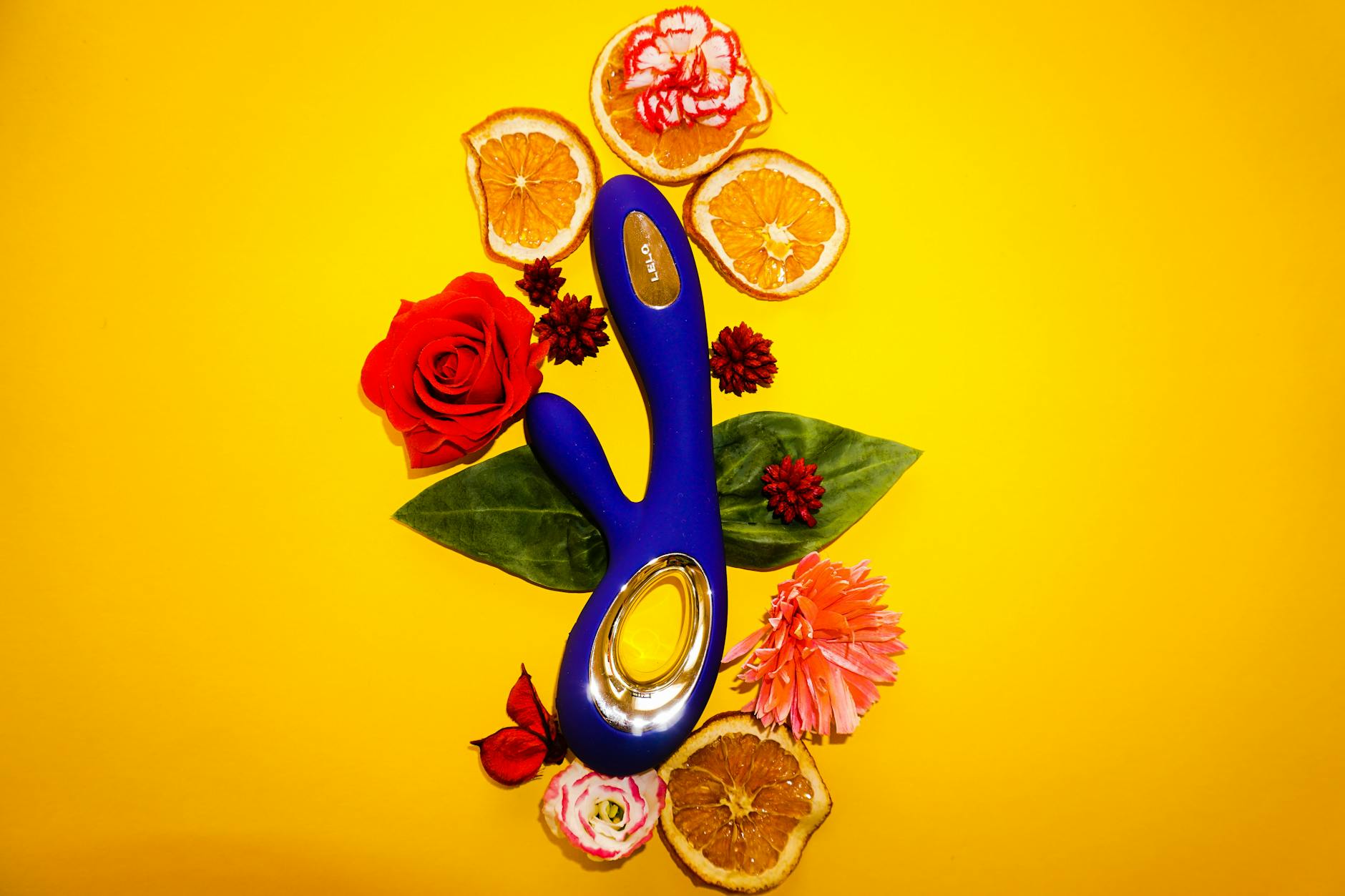
Photo by DRT.fm on Pexels
When clitoral tissue is raw, traditional vibrators with their direct, buzzing stimulation can feel like sandpaper. The lemon clitoral vibrator works differently. It uses suction and gentle pulsing rather than constant friction, which means gentler, more diffuse stimulation across the clitoral area instead of concentrated pressure on the most sensitive part.
This matters because suction distributes pressure more evenly. Instead of concentrating sensation on the exact point of contact, it engages a wider area of tissue. For pain-prone clitorises, that's the difference between sharp discomfort and manageable sensation.
The Lem vibrator's design also lets you control intensity with precision. Starting at the lowest setting and building gradually means your nervous system can warm up without being shocked into defense mode.
The practical approach: retraining your nervous system
Pain from stimulation often involves a protective reflex. Your nervous system learned that this sensation equals danger, so it increases pain signals as a warning. You can retrain this response, but it takes patience and consistency.
Start with zero vibration. This sounds odd, but place the lemon vibrator against your clitoris without turning it on. Just presence and warmth. Do this for three to five minutes, three times a week. Your goal is for your nervous system to learn that this contact is safe.
After about one week of that, turn it on to pattern 1 (the gentlest setting) for 30 seconds only. Stop. Do it again tomorrow, same duration. Each week, add 15-30 seconds more and try the next pattern up once your body feels ready.
This isn't fast. But it works because you're not fighting pain. You're negotiating with your nervous system. Every session where stimulation doesn't cause agony is a data point that rewires your wiring.
What to do right now to reduce pain
Before you even try the lemon vibrator, three things will make a real difference.
Anti-inflammatory protocol. Ibuprofen or naproxen 30 minutes before attempting any stimulation. Not because you should need medication forever, but because inflammation amplifies pain signals. Reducing baseline inflammation gives you the chance to experience pleasure without the volume turned up to 11.
Moisture barrier. Use a water-based lubricant, even if you're self-lubricating. The lube creates a physical buffer between the vibrator and your tissue, reducing friction. This is not a long-term solution, but it's essential during this retraining phase.
Timing. Avoid stimulation during the days right before your period if you menstruate. Clitoral tissue is more sensitive then, and pain is more likely. Wait for the week after, when hormones have stabilized.
When to involve a partner (and how)
If you have a partner, the temptation is to hide the pain or power through it. Please don't. Pain during pleasure is relationship information, not relationship failure.
Invite them into the process without making it about them. "I'm working through some sensitivity. I'd like to try things that feel gentler for now." Then actually let them help. A partner can hold the lemon vibrator for you, which removes the pressure of managing intensity and lets you focus purely on sensation.
Communication matters here more than anywhere else in your sexual life. If something hurts, say it immediately. If a pattern feels good, say that too. Your partner isn't a mind reader, and pain is a signal worth listening to in real time.
The signs that it's time to see a specialist
You deserve professional support if any of this applies:
- Pain is getting worse despite weeks of gentle work
- Pain is constant, even without stimulation
- Pain started suddenly after a procedure or medication change
- Pain includes swelling, visible redness, or discharge
- You have a diagnosed condition like vulvodynia or lichen sclerosus
A gynecologist trained in vulval health, a pelvic floor physical therapist, or both can identify what's actually happening and offer targeted treatment. Topical anesthetics, prescription creams, physical therapy, and other evidence-based approaches exist. You don't have to guess.
Building pleasure back
Once the pain is manageable, the work shifts. You're not just trying to avoid hurt anymore. You're rediscovering what feels good. A lemon vibrator's precision and gentle intensity becomes an asset here.
Try different patterns and speeds intentionally. Notice what doesn't hurt. Extend your sessions to 10, then 15 minutes. Let pleasure be boring and quiet. You're not looking for fireworks yet. You're looking for consistent, pain-free sensation that your nervous system trusts.
Many people find that once they make it through the sensitivity phase, their capacity for pleasure expands dramatically. You're not just recovering what you had before. You're learning what works for your body now.
FAQ: Your clitoral pain questions answered
Can I use a lemon vibrator if clitoral pain is from a yeast infection?
No. Wait until the infection is completely cleared and your doctor confirms it. Vibration will irritate already-inflamed tissue. Once you're clear, the approach I've outlined will help you rebuild sensation gently.
Does clitoral pain mean I have vulvodynia?
Not necessarily. Vulvodynia is constant, unprovoked pain in the vulva. Pain triggered by specific stimulation could be dermatological, hormonal, or mechanical. See a specialist to rule out vulvodynia before assuming that's what you have.
How long does it take to get over stimulation pain?
If it's from friction or irritation, typically two to four weeks of gentle care and reduced stimulation. If it's hormonal, it often improves once your body adjusts to the new hormonal state, usually within a few months. Neuropathic pain can take longer and may benefit from physical therapy.
Should I avoid all clitoral stimulation during the retraining phase?
Avoid high-intensity stimulation. Gentle touch, the approach I outlined with the lemon vibrator starting at zero, and partner contact are fine. Avoidance actually makes pain worse by increasing anxiety around stimulation.
Can antidepressants cause clitoral pain?
They can. Some SSRIs increase genital numbness or hypersensitivity. If you started a new medication right before pain began, mention this to your doctor. They might adjust timing, dosage, or medication type. Don't stop on your own.
Is clitoral pain permanent?
Almost never. It's usually responsive to the right combination of time, technique, and sometimes professional support. Treating pain as temporary rather than permanent shifts your whole approach from defensive to exploratory.
Getting back to pleasure is possible
Clitoral pain is frustrating and isolating because you can't exactly broadcast it. But it's fixable. Whether you need a lemon vibrator, specialist support, or both, you're not looking at a lifetime of this. Most people move from "this hurts" to "this feels good again" in a matter of weeks or months. If you're struggling, reach out to a pelvic health specialist. You deserve pleasure that doesn't come with a side of pain.