Let's talk about the uncomfortable truth
Your medication is working. That's the good news. The complicated news is that many of the drugs keeping you stable, managing pain, or regulating your mood also flatten sexual sensation as a side effect. SSRIs (antidepressants like sertraline, paroxetine), antihistamines, blood pressure medications, and certain pain relievers all carry the same quiet tax: they make pleasure harder to access.
This isn't a you problem. It's a pharmacology problem. And it's fixable.
How medication dampens sensation
Different drugs work through different mechanisms, but the net effect is usually the same. SSRIs increase serotonin availability in your brain, which stabilizes mood but also blunts the dopamine spike that normally accompanies arousal and orgasm. Antihistamines dry out mucous membranes (hello, vaginal dryness) and can interfere with nerve signaling. Beta-blockers reduce blood flow to the pelvic region. It's not that you've lost capacity for pleasure. It's that the neural and vascular pathways your body normally uses to build arousal and sensation are working at maybe 60 or 70 percent.
Here's what's important: this doesn't mean you stop taking the medication. Mental health stability and physical health are prerequisites for good sex, not obstacles to it. The move is to adapt your approach.
Why Lemon Clitoral vibrators work better when medication affects sensation
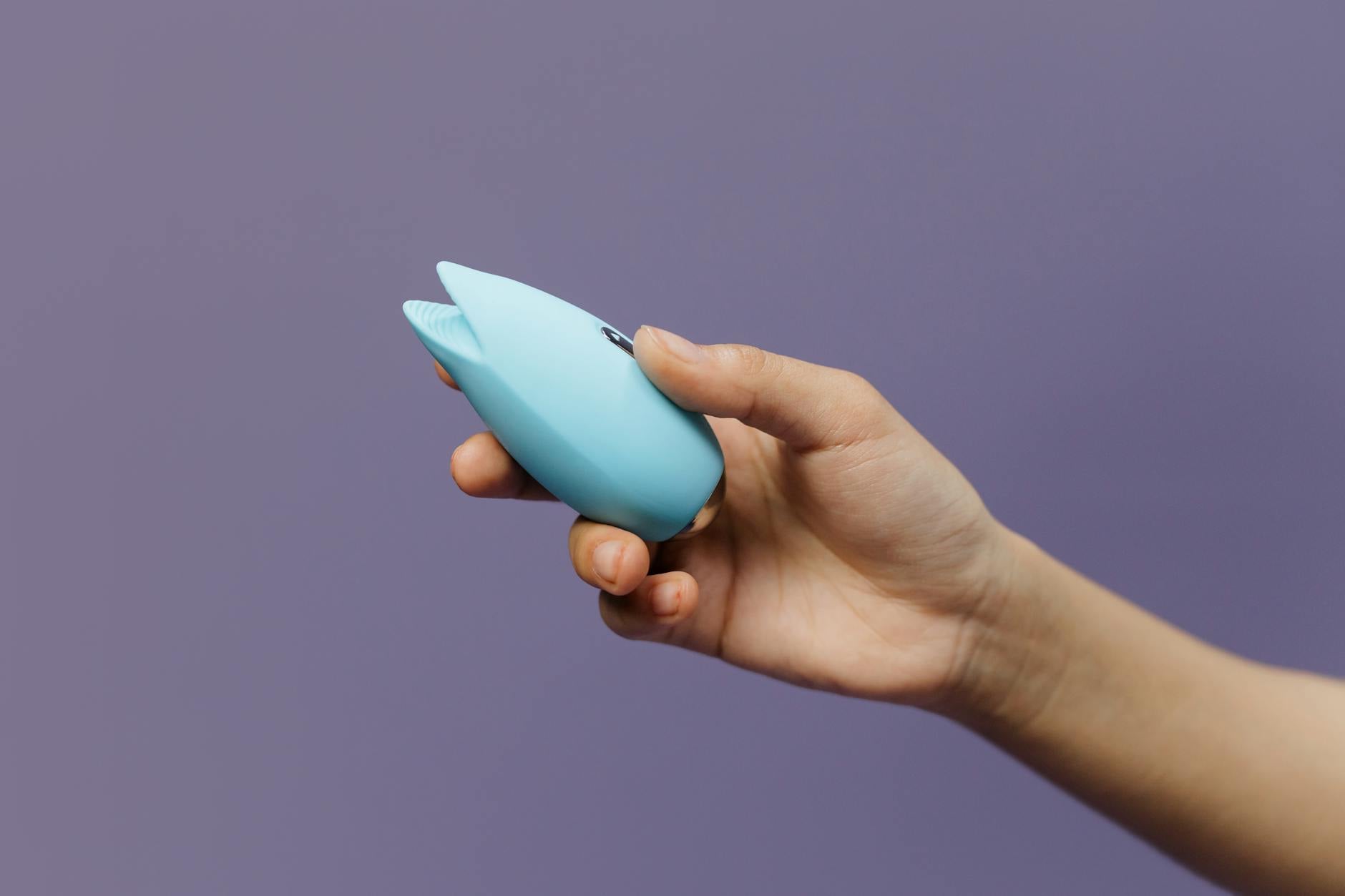
The Lem vibrator uses suction technology rather than simple vibration. This matters enormously when your nervous system is running quieter than usual. Suction creates sustained pressure and draws blood into the tissue, which accomplishes two things. First, it stimulates nerves through a different pathway than vibration alone, which can bypass some of the dulling effects of medication. Second, it actively increases blood flow to the clitoris, counteracting the vascular effects of certain drugs.
When sensation is muted, you need a different kind of intensity. A standard vibrator might feel like someone tapping your shoulder through a thick coat. The Lem creates more of a pulling sensation that penetrates deeper and recruits more nerve endings simultaneously.
Start with a baseline check
Before you assume the medication is the culprit, run a quick self-assessment. Over the course of a week, pay attention to three things: (1) How long does it take you to feel aroused? Normal range is 5 to 20 minutes. Medication-dulled sensation often shows up as 30 to 45 minutes. (2) Does your clitoris feel as responsive to touch as it used to? You're not looking for perfection, just a honest comparison. (3) When you do reach orgasm, how intense is it? A 7 out of 10 that's dropped to a 4 or 5 is a classic medication signature.
If you're nodding yes to all three, talk to your prescribing doctor. This conversation matters. Many times, there are alternatives. Sometimes a dose adjustment or timing shift (taking the medication at night instead of morning, for example) can reduce sexual side effects without compromising your health. Don't suffer in silence and self-medicate with toys. Get the medical conversation on the table first.
How to use your Lemon Clitoral vibrator with medication-dulled sensation
Three core adjustments:
Warm up differently. When sensation is dampened, foreplay isn't optional. Spend 15 to 25 minutes on non-genital touch first. Hands, kissing, massage. This primes your nervous system and increases baseline blood flow. Then move to your Lem vibrator. You're not rushing. You're building a longer runway.
Use the highest setting you're comfortable with. If you're normally a pattern-2 person, try starting at pattern 3 or 4. The intensity paradoxically feels less harsh when sensation is muted because you're not over-stimulating an already-sharp system. You're compensating for the dampening effect. Listen to your body. You might discover that higher intensity actually feels better.
Layer sensation. Use your Lemon Clitoral vibrator in combination with other input. A partner's touch on your breasts, a hand on your inner thigh, fingers inside. Multisensory input bypasses some of the dulling and creates a more complex signal that's harder for medication to completely flatten.
The timing question: when to use your vibrator
If you're taking an SSRI, dopamine and serotonin levels fluctuate throughout the day. Many people find they have slightly more sensation in the evening or on days when they've been moving their body (exercise increases dopamine). If you take your medication in the morning, you might experience slightly more sensation later in the day. If you take it at night, you might have a small window in the early morning.
This isn't a miracle fix, but it's worth experimenting with. Track when you feel most responsive over two to three weeks and plan accordingly.
For antihistamines, similar logic applies. If you're taking them daily, the drying effect is constant, which is actually why lubrication becomes non-negotiable. If you take them as-needed, using your Lem vibrator on days when you're not medicated might feel noticeably different.
Lubrication as a non-negotiable
When medication thins vaginal tissue or reduces lubrication, a water-based lubricant isn't a luxury. It's part of the system. Apply it before you start and reapply halfway through. Your Lemon Clitoral vibrator works best when there's glide. Lubrication also reduces friction that can feel abrasive on sensitized tissue.
When to consider talking to your doctor about alternatives
If medication-related sexual side effects are severe enough to affect your quality of life or relationship satisfaction, mention it. Doctors have options. Some SSRIs (like bupropion or mirtazapine) have lower sexual side effect profiles than others. Some blood pressure medications can be swapped for alternatives. Some people respond well to adding a second medication that counteracts the sexual dampening.
You might also discuss whether taking a medication holiday makes sense for you. Some people take a break from antidepressants on weekends. This is something to decide with your doctor, not on your own. But it's a real option that exists and is worth asking about.
The patience piece
If you've been on a medication for a while and sensation has gradually dulled, it can take time to rebuild the habit and the nerve firing patterns once you adjust your approach. That first week of using your Lem vibrator with new expectations might feel discouraging. By week two or three, your nervous system starts to adapt to the new input. Stick with it. Sensation often returns, though it might be different in texture than it was before the medication.
What to do if nothing shifts
If you've adjusted your technique, timing, and lubrication and sensation is still completely flat, this is worth a real conversation with a sex therapist or a sex-informed healthcare provider. Sometimes medication-related sexual dysfunction is physiological and needs medical intervention. Sometimes it's also psychological. The combination of feeling like your body isn't responding plus the vulnerability of exploring this with a partner can create a feedback loop that keeps sensation stuck. A professional can help you untangle what's biological versus what's psychological.
Your pleasure matters even when your brain chemistry is complicated. The Lem vibrator is designed to work with your body as it actually is, not as you think it should be. That includes the version of you that takes medication to stay healthy. Adapt, experiment, and give yourself permission to need a different approach.
Frequently asked questions
How long after starting medication does sexual numbness usually appear?
For SSRIs, it can show up within the first week or take two to three weeks to become noticeable. With antihistamines, drying effects are often immediate. Blood pressure medications vary widely. If you've been on something for a year and sensation has been fine, the numbness probably isn't caused by that specific drug.
Can I just stop taking my medication to feel pleasure again?
No. Don't do this without talking to your prescriber first. The risks of stopping psychiatric medication abruptly can be serious. Mental health stability is foundational to good sex. The solution is working with your doctor to find a medication approach that supports both your mental health and your sexual function, not choosing between them.
Do all SSRIs cause the same level of sexual side effects?
No. Bupropion and mirtazapine tend to have lower sexual side effect profiles. Some people tolerate sertraline differently than paroxetine. If your current medication is a problem, ask your doctor about switching to one with a better sexual side effect track record.
Will using a Lemon Clitoral vibrator more often help sensation come back faster?
Actually, taking breaks is important. Your nervous system can habituate to consistent stimulation, which paradoxically makes sensation feel duller over time. Use your Lem vibrator two to four times a week rather than daily. Give your nerves time to reset.
Is it normal for orgasms to feel different on medication?
Completely normal. Orgasms on SSRIs often feel shorter, less intense, or more focused in one area rather than full-body. This can actually be fine once you adjust your expectations. Different doesn't mean bad.
What if my partner doesn't understand why I need the vibrator now?
This is worth a real conversation. You're not seeking a replacement for your partner. You're adapting to how your body works right now. Framing it as a tool that helps you stay connected to pleasure (and to them) during a medication adjustment can help. If they're still resistant, that's a separate relationship issue worth addressing, possibly with a couples therapist.