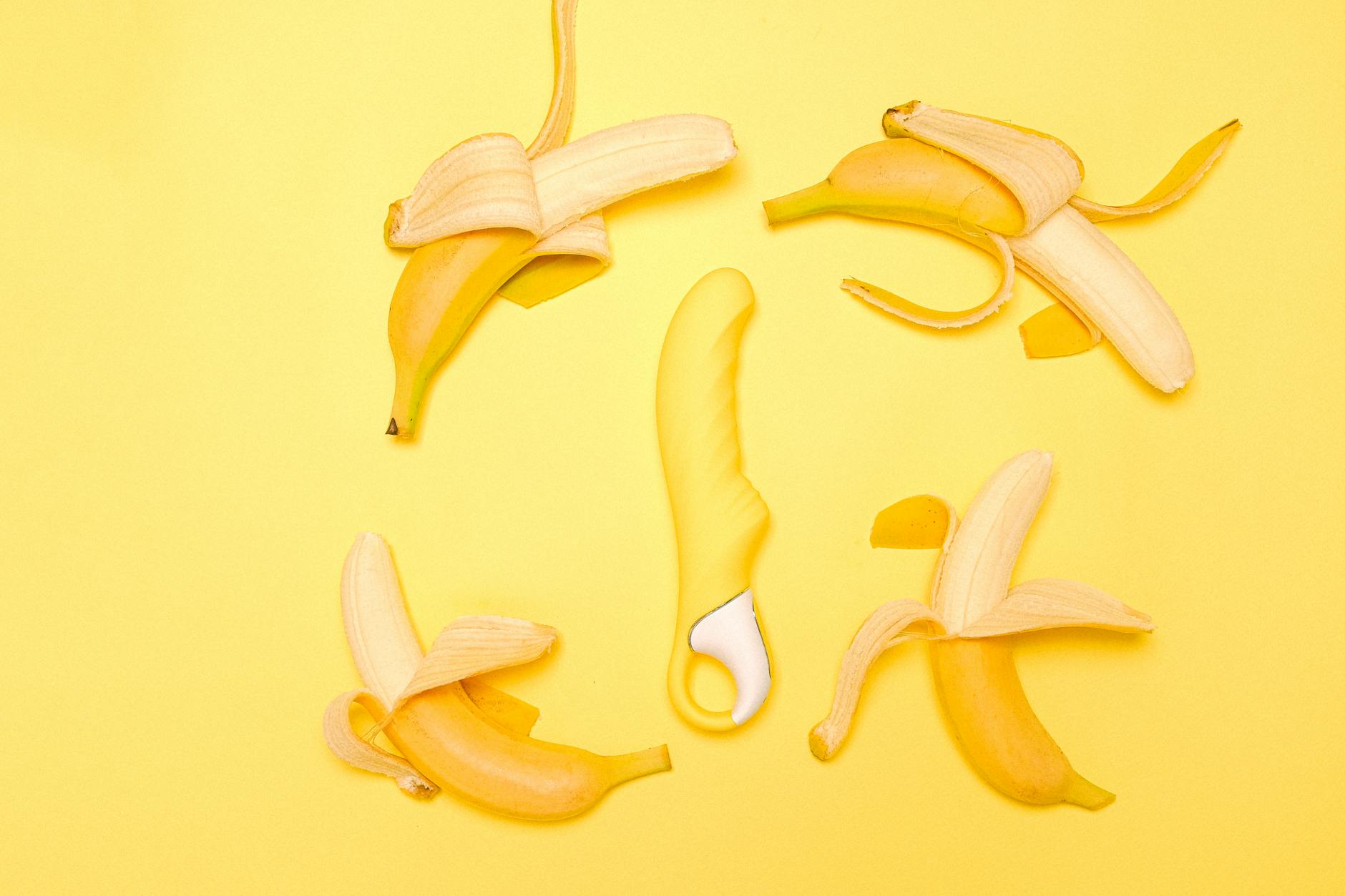
When pleasure gets quieter
You used to feel it everywhere. A full-body kind of yes that made you catch your breath. Now the same touches produce a response that's... present, but muted. Like watching your favorite song through glass.
This is one of the most common things people don't talk about. Orgasms losing their edge doesn't mean your body is broken. It means something in your stimulus pattern shifted, and your nervous system adapted to it.
Why orgasms flatten over time
Here's the physiology without the jargon. Your clitoris has around 8,000 nerve endings, and they respond to novelty. When stimulation stays the same for years, your brain's pleasure-sensing system slowly recalibrates. You're not numb. You're adapted. Your nervous system learned that pattern and turned down the volume on it.
This happens in lots of ways. Maybe you've been using the same toy at the same rhythm since your early twenties. Maybe medication changed how quickly your body floods with blood during arousal. Maybe stress has your nervous system stuck in a low hum instead of a peak. Maybe hormonal shifts altered your baseline sensitivity. Or maybe you just got older, and orgasms genuinely do change shape as you age.
The good news is that adaptation works both ways. You can wake your nervous system back up.
Why air-suction is different from what flattened your response
Most vibrators deliver stimulation the same way your hand or a partner does. Direct friction. Consistent rhythm. Your nervous system knows that pattern. It's learned it. It's efficient about it, which means less intensity.
Air-suction technology (the kind the Lemon Clitoral Vibrator uses) creates stimulation your body hasn't fully adapted to yet. Instead of vibration, it uses gentle suction pulses that mimic the sensation of indirect stimulation. This patterns differently through your nervous system. The receptors wake up because the signal is novel.
This is particularly powerful if your orgasms have flattened because of years of the same vibrator or the same partner rhythm. Your body hasn't optimized around suction the same way.
Rebuilding sensitivity step one: reset the pattern
If you've been using the same toy for five years, your first move is to set it down. Not forever. Just for two to four weeks. Your nervous system needs to "forget" that pattern, even a little.
During this time, you can explore your body manually or not at all. The point is to let your baseline sensitivity rebalance. It's the same reason a massage feels amazing when you haven't had one in months. Novelty amplifies sensation.
When you come back to a tool, it will feel different. Stronger.
Rebuilding sensitivity step two: start at the lowest settings
When you're ready to reintroduce the Lemon Clitoral Vibrator, do not start where you left off. Even if you used to use pattern five and need to finish, begin with pattern one.
This serves two purposes. First, low-intensity stimulation actually trains your nervous system to register sensation more acutely. Nerves that aren't overstimulated stay more responsive. Second, starting low lets you feel the difference between low, medium, and high. That gradient is where intensity lives. If you jump straight to high, you flatten the contrast and lose the climb.
Spend at least three sessions on patterns one and two before you move up. Pay attention to what you feel. Notice where the sensation lives in your body. Is it only at the tip of your clitoris or does it radiate? That awareness is part of rebuilding intensity.
The arousal architecture that unlocks bigger responses
This is the part most people skip, and it's the part that matters most.
Intensity isn't a feature of the tool. It's a feature of your nervous system. A nervous system that's already activated, already expecting pleasure, already flooded with blood around your genitals will report sensation as more intense than one that's flat.
That means before you even touch yourself with the Lemon Clitoral Vibrator, spend time building arousal. I'm talking 15 to 25 minutes of foreplay, fantasy, or whatever your nervous system uses to warm up. Breathing changes. Your pupils dilate. Blood pools. Your clitoris plumps slightly. Your skin gets more sensitive.
Only then pick up the vibrator. A nervous system that's already halfway to arousal will feel a pattern one as more intense than a nervous system at baseline would feel a pattern three.
This is the most underrated lever in rebuilding orgasm intensity. Most people don't have patience for this. But if you do, it changes everything.
When your response is tied to a specific person or context
Sometimes orgasms flatten because the context shifted. You used to have sex with a partner who you felt deeply comfortable with, and now you're solo, or with someone new, or with the same person but the relationship dynamic changed.
Your nervous system doesn't separate physical sensation from emotional context. A clitoris can feel less responsive when the person touching you is someone you're unsure about or disconnected from, even if that person is you.
If this is your situation, the tool alone won't fix it. You need to rebuild emotional safety or permission alongside the physical tool. That might mean journaling about what the previous context provided that this one doesn't. It might mean setting aside time that feels specifically for you, not rushed. It might mean reconnecting with the fantasy or desire that used to drive you.
The Lemon Clitoral Vibrator is a tool that works better in the context of desire and safety. If that context is wobbly, the vibrator will feel less intense, not because it's weak, but because your nervous system is protecting you.
Troubleshooting: when it's still not working
If you've reset, started low, built arousal carefully, and orgasms are still muted, consider:
Medications. Antidepressants, antihistamines, hormonal contraceptives, and blood pressure drugs can all reduce orgasm intensity. This isn't a side effect of the vibrator. It's a side effect of the drug. If you suspect this, talk to your prescriber about timing (taking the dose at a different time) or alternatives.
Hormonal changes. Low testosterone, low estrogen, or thyroid dysfunction flatten sensation. A blood test is cheap. If you're postmenopausal or perimenopausal, hormone levels are worth checking.
Pelvic floor tension. If your pelvic floor is gripped tight (common with stress or anxiety), your nervous system can't register sensation as clearly. Pelvic floor physical therapy or relaxation practices (not Kegels, their opposite) help here.
Nerve health. If numbness or tingling follows you around generally, you might be experiencing early neuropathy. See a neurologist. It's not about the vibrator.
The intensity you get back might not match what you remember
Honestly though, here's something to sit with. The orgasms you rebuild might not feel identical to orgasms from ten years ago. Your body changed. Your nervous system aged. That's not a loss, it's just different.
Often what people call "less intense" is actually "less like a lightning strike and more like a deep release." Both are real pleasure. Both count. The nervous system that's been around longer often finds pleasure in subtlety that a younger nervous system wouldn't register.
If your goal is to feel something, anything, that's different from what you've felt in years, the Lemon Clitoral Vibrator's suction-based pattern will likely deliver that. If your goal is to recreate a very specific memory of sensation, you might need to grieve that a little and then discover what your body actually wants now.
When to bring a partner into this
If you have a partner and orgasms have flattened with them, they need to know this isn't about them being less attractive or less skilled. It's about nervous system adaptation.
The reset period (stepping away from the same pattern) and the rebuild period (starting low, building arousal) both work better when a partner understands what you're doing. If they can give you 20 minutes of foreplay before any toys come out, if they can start with the tool on pattern one instead of wherever you "used to" need, if they can approach this as a shared exploration instead of a fix, intensity comes back faster.
For solo exploration, this is entirely yours to control. You set the rhythm, the pattern, the arousal time. That clarity is powerful.
FAQ
Why does my orgasm feel less intense after years of using the same vibrator?
Your nervous system adapts to repeated patterns. When you use the same stimulation at the same rhythm for years, your brain learns to process that signal efficiently, which reduces the novelty your nervous system responds to. It's not that you're broken. It's that your body got really good at handling that one input. Switching to a different stimulation pattern, like air-suction, or taking a reset period away from the tool, can wake the response back up.
Does the Lemon Clitoral Vibrator feel different enough to rebuild intensity?
Yes, because of how it works. Instead of vibration, it uses suction pulses that create a novel pattern your nervous system hasn't fully optimized around yet. If vibrators have stopped producing the intensity they used to, air-suction technology often feels noticeably different, and that novelty is part of what restores sensation strength.
How long does it take to feel intensity returning?
If you do the reset period (two to four weeks away from vibration) and rebuild slowly with low patterns and good arousal building, you'll often notice a difference within three to five sessions. But the deeper restoration of sensitivity takes a few weeks of consistent practice. Your nervous system doesn't rewire overnight.
Can medications actually reduce how intense orgasms feel?
Absolutely. Antidepressants, antihistamines, hormonal birth control, and blood pressure medications can all flatten sexual sensation. If your intensity dropped after starting a new medication, talk to your prescriber about timing or alternatives before you assume the tool is the problem.
What if I'm solo and I've lost intensity with my own hand?
Your nervous system adapted to your manual technique the same way it adapts to a vibrator. Take a break for two to four weeks. When you come back, use a tool like the Lemon Clitoral Vibrator instead of your hand, or use your hand with a totally different rhythm or pressure than you used before. Novelty restores sensation.
Is it normal for orgasms to feel less intense as you get older?
It's common, but not inevitable. Orgasms often change shape with age. They might feel less like a spike and more like a wave. They might take longer to build or feel more subtle. But if you want them to feel stronger, the practices here can help. The key is not assuming that age equals permanent loss.
The bottom line
Orgasms that used to feel explosive now feel muted. But your nerve endings didn't disappear. Your nervous system just learned the pattern. The Lemon Clitoral Vibrator's air-suction technology is different enough from traditional vibration to reset that adaptation. Add in a reset period, start low, build arousal carefully, and you're rebuilding the intensity your body remembers having. It might not feel identical to what it was ten years ago. But different doesn't mean less. It means your nervous system is waking back up.