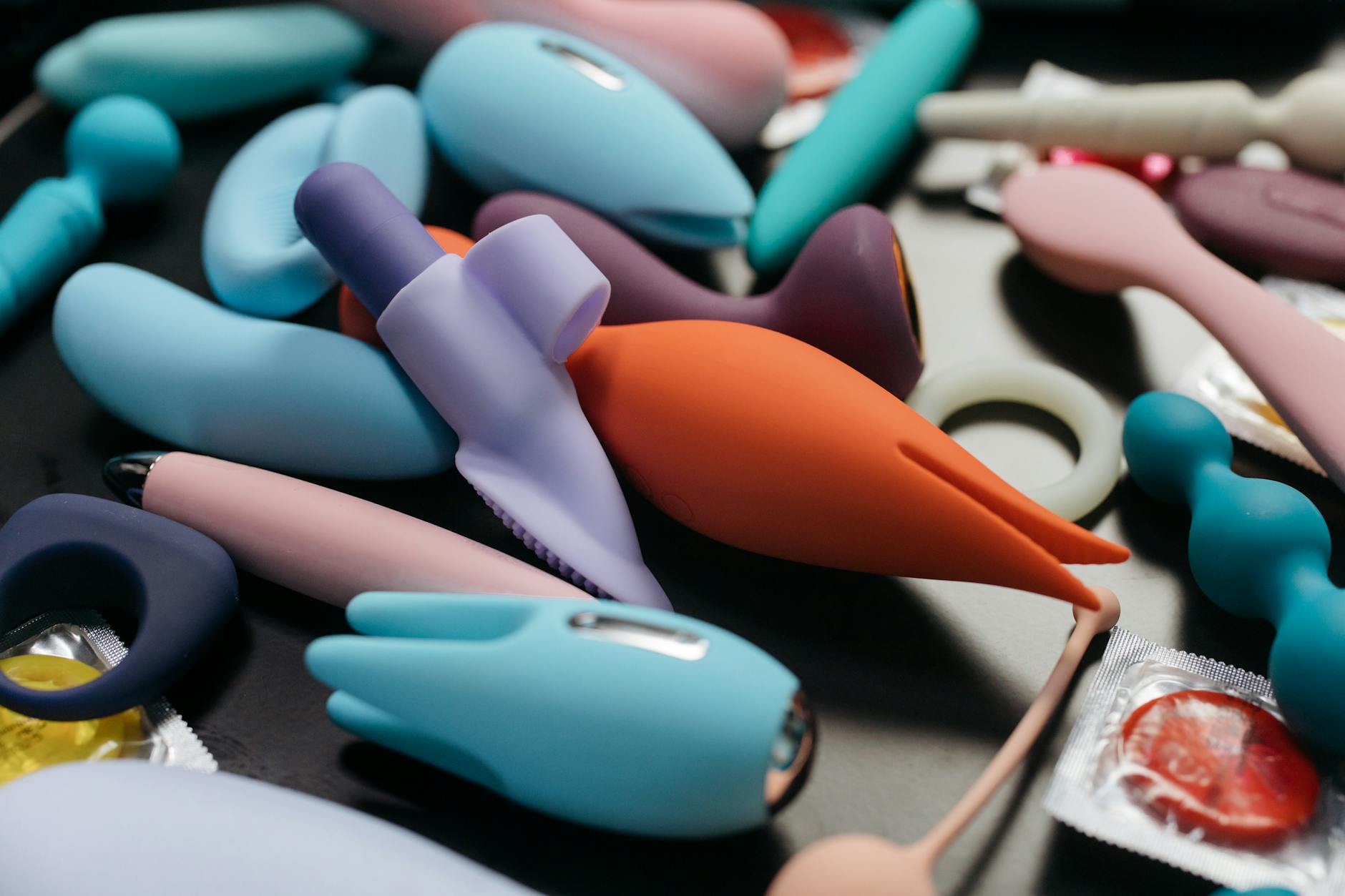
The weight of guilt after a breakup
Here's what nobody tells you: rediscovering your own pleasure after a breakup can feel like a betrayal. Your brain keeps replaying the relationship, your nervous system is on alert, and reaching for a vibrator feels complicated in ways it didn't before. You might feel guilty for wanting to feel good. Or terrified that pleasure means you're "over it" too fast. Or worried that your body won't respond the way it used to.
All of that is normal. And all of it is exactly why exploring solo pleasure with something like a Lemon vibrator can actually help you heal.
Why your body feels different after heartbreak
When you're grieving a relationship, your nervous system is in a state of hypervigilance. Cortisol and adrenaline stay elevated. Your pelvic floor likely tightens without you even noticing. Touch that used to feel welcoming might feel threatening. Arousal doesn't arrive on command because your brain is still processing the loss.
That's not a sign that pleasure is gone. It's a sign that your system needs to feel safe again. And the only person who can create that safety is you.
A Lemon vibrator serves a specific function here: it removes the negotiation. With a partner, pleasure involves communication, vulnerability, and trust in someone else's intentions. Solo pleasure with a clitoral vibrator lets you stay in charge. You control the pace, the intensity, the exact moment you stop. Your nervous system can begin to believe that pleasure is something you're directing, not something being done to you.
Starting small when desire feels absent
The mistake most people make is expecting arousal to arrive like it used to. It won't. Not yet. So don't wait for it.
Instead, start with curiosity. On a day when you feel reasonably calm, set 20 minutes aside without an expectation of orgasm. That pressure is the enemy right now. Your job is to notice what happens when you use a Lemon vibrator at the lowest setting.
Some of what you might feel: tingling that's pleasant but not intense. A vague sense that your body is "waking up." Possibly nothing, which is also fine. The point is data. Your nervous system is learning that gentle touch can be safe. That pleasure can exist without surrender. That your body can feel good on your terms.
Building trust back into your body
After a breakup, there's often a weird disconnection between your mind and your physical self. You might intellectually know you deserve to feel good, but your body doesn't believe it yet. That split takes time to heal.
Using a Lemon clitoral vibrator in solo sessions is actually a form of somatic therapy. You're teaching your body through direct experience that pleasure is safe, that your desire matters, and that you can feel good without needing another person to validate it.
Start by touching other parts of your body first. Your arms, your neck, your thighs. Use the vibrator on lower intensity while you're doing this. The goal is to gradually build a felt sense that your whole body is yours again. After a few sessions, you might notice your nervous system starts to anticipate the experience in a positive way. That's healing happening.
When shame or guilt shows up
You might feel guilty using a vibrator after a breakup. That's worth naming directly. The shame often sounds like: "I shouldn't be enjoying this yet" or "Moving on this way feels disrespectful to the relationship." These are real feelings, and they deserve attention.
But here's the thing: solo pleasure and grief can coexist. You can miss someone and also deserve to feel good in your own body. You can be processing heartbreak and also reclaim your sexuality. Those aren't contradictory. They're actually part of the same process of healing.
If the guilt is loud, pause for a moment and ask yourself whose voice that is. Often it's an internalized message from a partner, a parent, or your culture. It's not actually you. You get to decide what your relationship with your own pleasure looks like, independent of anyone else's timeline or opinion.
How to use a Lemon vibrator during emotional fragility
Three practical things that help:
1. Set a container. Pick a specific time and place where you feel most at ease. A locked bedroom, a long bath, somewhere your nervous system has learned to relax. Your body will begin to associate that space with permission to feel good.
2. Start with the lowest pattern. The Lem offers multiple intensity levels. Stay at pattern 1 or 2 for several sessions. You're not trying to rush to orgasm. You're building a relationship with pleasure that doesn't depend on intensity.
3. Notice without judgment. If your mind wanders to your ex, that's normal. If you feel nothing at all, that's also normal. If you cry, that's normal too. Pleasure after grief is complicated. Your job is to observe, not to perform.
When pleasure and grief intersect
Sometimes using a Lemon vibrator will trigger unexpected sadness. You might feel intimacy with your own body and suddenly miss being held by someone else. That's not a sign you should stop. It's a sign you're connecting to something real.
Let yourself feel it. Use the vibrator as gently as you need to. Some sessions might be about reaching orgasm. Others might just be about the sensation of being cared for by yourself. Both are valid.
Over time, as you move through the grief cycle, you'll notice that pleasure stops feeling complicated. Your body will start to remember how to want things. Your nervous system will relax. And eventually, solo pleasure will be something you do just because it feels good, not because you're trying to heal something.
Rebuilding desire on your own timeline
The most important thing to remember is that there's no "right" timeline for this. Some people dive back into pleasure immediately after a breakup. Others need months. Both are normal. Your body will tell you when it's ready.
What a Lemon vibrator gives you is a tool for self-directed healing. Unlike partnered sex, where you have to navigate someone else's needs and energy, solo pleasure is entirely yours. You're not performing. You're not proving anything. You're just learning to trust yourself again.
And that, honestly, is the foundation of every healthy intimate experience that comes after. The ones with partners, with yourself, all of it. It starts with believing that your pleasure matters and that you're allowed to prioritize it.
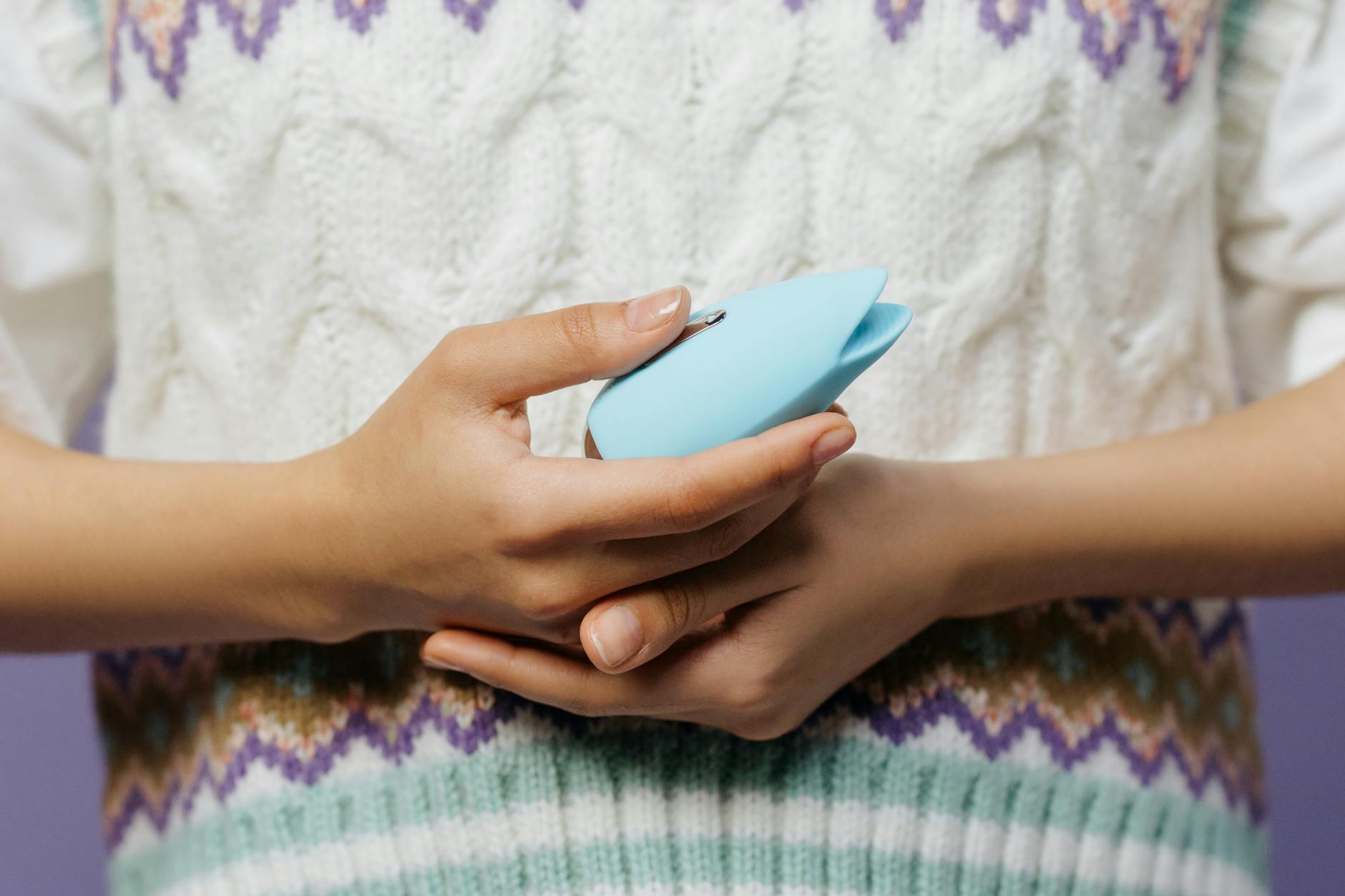
Photo by cottonbro studio on Pexels
Frequently asked questions
Is it normal to feel disconnected from pleasure right after a breakup?
Completely normal. After a breakup, your nervous system is in survival mode. Cortisol is elevated, your fight-or-flight response is active, and touch that used to feel comforting might feel threatening. This isn't permanent. Your body needs time to believe it's safe again. Using a clitoral vibrator at your own pace helps your nervous system gradually return to a state where pleasure is accessible.
Can using a vibrator help me process grief?
It can be part of the process. Solo pleasure isn't therapy, but it can support somatic healing. When you experience pleasure in your own body without depending on anyone else, you're reminding your nervous system that you're capable of feeling good independently. This builds resilience and helps restore trust in yourself. Many people find that regular solo sessions actually speed up emotional recovery because they're gently reconnecting the mind-body split that grief creates.
What if I use a Lemon vibrator and feel sad instead of aroused?
That's not failure. It's information. Grief, pleasure, and touch are deeply intertwined. Sometimes accessing your body triggers memories of intimacy with an ex-partner, which can feel sad. This is real and worth feeling. You can pause, breathe, and either continue gently or stop for the day. There's no "right" way to feel. Your body will guide you.
How long does it take to feel "normal" pleasure again after a breakup?
It varies. Some people reconnect with pleasure within weeks. Others take months. There's no standard timeline because heartbreak affects everyone differently. What matters is consistency, not speed. Using a Lemon vibrator regularly, even if nothing dramatic happens, teaches your body that pleasure is safe and available. That gradual trust-building is what actually heals.
Should I use a vibrator alone or with a new partner?
Start alone. Solo pleasure after a breakup isn't about avoiding new partners. It's about reclaiming your own sexuality first. Once you've rebuilt trust in your body and your desire on your own terms, partnered pleasure becomes a choice rather than a need. This actually makes new intimate connections healthier because you're coming from a place of wholeness rather than a place of trying to fill the gap left by the ex.
What if using a vibrator makes me feel guilty?
Gilt after a breakup is common, but it usually reflects external messages rather than your own values. You might hear an internal voice saying "I shouldn't be enjoying this yet" or "This is disrespectful to the relationship." That voice probably isn't actually you. It's often a partner's opinion, a cultural message, or internalized shame. Your pleasure belongs to you. You get to decide when and how you reclaim it. If guilt is intense, it might help to work with a therapist, but solo pleasure with a Lemon vibrator is never wrong.
Moving forward with yourself
Heartbreak changes you. It teaches you about loss, vulnerability, and resilience. But it doesn't have to change your relationship with your own pleasure. Using a Lemon vibrator during a breakup recovery is an act of self-care, not an act of moving on too fast. It's a way of saying to yourself: "My body is mine. My pleasure matters. I'm learning to trust myself again."
That foundation is what everything else is built on.
When you're ready to talk through what healing looks like for you personally, we're here. Reach out at /contact.
Sources and references
Boysen, G. A., Vogel, D. L., & Madon, S. (2017). "A meta-analysis of attitudes toward seeking professional psychological help." Journal of Counseling Psychology, 64(3), 216-227.
van der Kolk, B. (2014). The Body Keeps the Score: Brain, Mind, and Body in the Healing of Trauma. Viking.
Thompson, R. A., & Calkins, S. D. (1996). "The double-edged sword: Emotion regulation for children at risk." Development and Psychopathology, 8(01), 163-182.