Grief kills desire. That's not a flaw in you.
Loss numbs almost everything. The big things, sure, but also the small ones. Food tastes like cardboard. Sleep becomes a chore. And desire, that warm signal that usually lives somewhere below your ribs, goes completely quiet. This is normal neurobiology. Grief activates your parasympathetic nervous system, the brake pedal of arousal. Your body is conserving energy for survival.
Then one day something shifts. Maybe it's six months in, maybe it's two years. A moment catches you off guard. A touch, a thought, something flickering across a screen. And for the first time in what feels like forever, you feel it. That spark. And immediately, guilt rushes in. How could you want this when they're gone? How could pleasure matter now?
It matters because it means you're coming back. It means your nervous system is beginning to believe the crisis has passed. That doesn't dishonor your loss. It means you're healing.
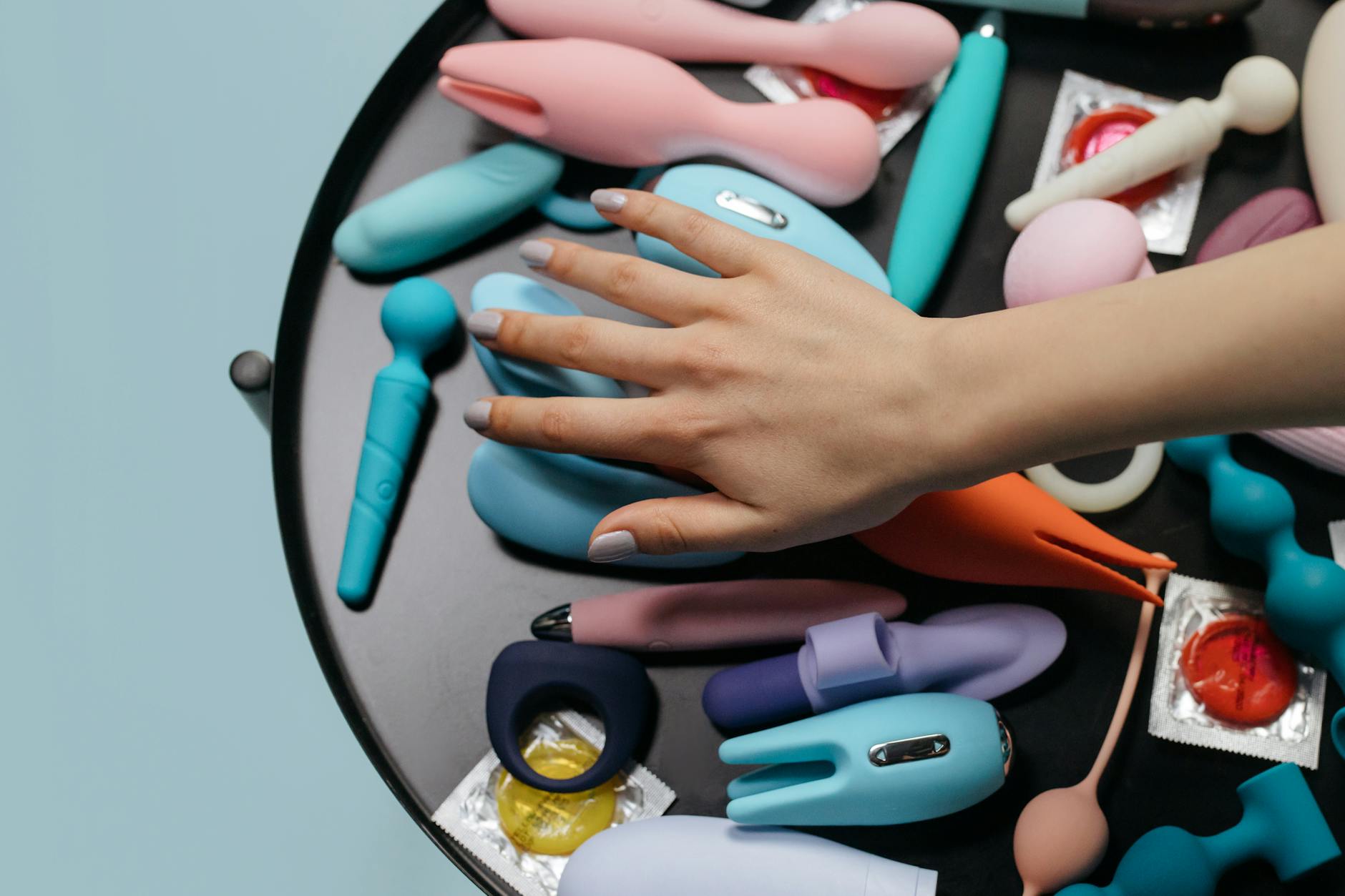
If you're thinking about using a lemon clitoral vibrator during this phase, or you're already exploring it, you need a framework that honors both the grief and the return. That's what we're covering here.
Why reconnection feels awkward at first
Your body has been in shutdown mode. That means the neural pathways for arousal, the physical responsiveness, the psychological permission to feel good, all of it needs to wake up gradually. You might sit with a lemon vibrator and feel absolutely nothing. Or you might feel something and immediately feel wrong about it. Both are part of the process.
There's also a specific physical reality: if you haven't been sexually active during your grief, the tissues around your vulva and clitoris have had less blood flow and stimulation. This doesn't mean anything is broken. It means your body is like a muscle that hasn't been used. The nerves are there. The capacity is there. It just needs gentle, consistent input to remember how to respond.
Many people describe this phase as feeling dissociated from their own body. You look down and it doesn't feel like yours. You touch yourself and the sensation doesn't quite land the way it used to. This is grief-related dissociation, and it's common enough that therapists have a name for it. The good news is it's also reversible with time and the right kind of touch.
Start with no goal except sensation
This is the hardest instruction to follow when you're grieving because your brain wants an outcome. An orgasm. A sign that you're back to normal. A proof point that you're healing. But that goalpost moves around and it will frustrate you.
Instead, the first phase with a lemon vibrator is curiosity only. You're not trying to come. You're not trying to prove anything. You're just noticing: what does this feel like against my skin right now? Is there warmth building? Do I feel numb? Do I feel triggered? Are there places on my vulva that wake up faster than others?
With a lemon clitoral vibrator, start on the lowest setting. The Lem, for instance, has multiple patterns on low intensity. Pick one and spend maybe three to five minutes just holding it gently against different parts of your vulva. Your outer labia, your perineum, around the clitoral hood. Don't press hard. Don't expect fireworks. You're gathering information about what your body is telling you right now.
Many people find that sensation returns to different zones at different times. The inner labia might wake up first. The clitoris itself might take longer. This variation is totally normal and has nothing to do with your capacity to come eventually.
Create a container that feels safe
When you're grieving, the last thing you want is to be surprised. Lock the door. Put your phone in another room. Set a time limit if that helps: "I'm doing this for ten minutes, then I'm stopping." You're essentially asking your nervous system to believe it's safe to be vulnerable. That belief doesn't materialize out of nowhere. You build it through consistency and ritual.
Some people light a candle. Some people do it at the same time of day. Some people spend five minutes breathing deeply first. The specific ritual doesn't matter as much as the repetition does. Your brain is learning: this is a contained, safe space where pleasure is allowed.
One thing that really helps is naming what you're doing out loud, or at least to yourself. "I'm reconnecting with my body. There's no rush. This is just for me." This sounds cheesy until you realize how much permission your grief-brain needs to hear. It's been running on overdrive for months telling you that wanting anything for yourself is selfish. That's the grief talking, not the truth.
The role of patience (and how to actually practice it)
Here's what patience doesn't mean: lying there silently waiting for something to happen. That's passivity, and it breeds frustration. Real patience is active. It's trying different settings, different angles, different times of day. It's noticing that the Lem feels better on a Tuesday morning than a Sunday night because your cortisol is different. It's respecting that some sessions will feel like nothing and that's data, not failure.
Allow yourself a few weeks of this exploratory phase before you expect anything that looks like arousal. Your nervous system needs repetition to believe it's safe again. Neuroscience suggests it takes about three to four weeks of consistent practice for new neural pathways to begin forming. That means if you're touching yourself three or four times a week with your lemon vibrator, by week four, you might start noticing a subtle shift in how quickly sensation builds.
During this time, you might also notice that your body holds grief in particular ways. A certain touch might trigger a cry. A certain sensation might feel too close to intimacy and spike your anxiety. This is your nervous system processing, not a sign you're doing it wrong. If that happens, stop. Come back another day. Trust the timing.
When sensation starts returning, go slow
One day you'll notice something different. Maybe your clitoris doesn't feel completely numb anymore. Maybe the Lem on setting three creates a feeling that's actually pleasant instead of neutral. This is the signal that your body is coming back online.
At this point, resist the urge to crank it up and chase an orgasm. This is where most people accidentally re-traumatize their own nervous system because they're so relieved something is working that they override their body's actual pace. Instead, let your sensation-seeking be gentle and exploratory.
Try different patterns on the Lem. Notice which one feels most natural. Some people find that pulsing patterns, where the vibration turns on and off rhythmically, feel less intense and more connected to their body's own responses. Others prefer steady vibration. There's no right answer. Your body will tell you.
Many people in this phase also find that longer warm-up time matters more than it did before grief. You might spend 15 to 20 minutes on external pleasure before any desire to go deeper emerges. This is not abnormal. This is your nervous system being cautious, and that caution is actually wisdom. Honor it.
Partner presence, if that's your situation
If you're partnered, this is a delicate moment. Your partner is also grieving, and they might also be watching you for signs of recovery. That's a lot of pressure on both of you. The best thing you can do is separate these two conversations: "I'm beginning to want pleasure again" is not the same as "I'm ready to be sexual with you." Those might reunite eventually, but they don't have to, and they're not the same timeline.
If your partner is in the room while you're using a lemon vibrator for the first time after grief, make sure it's because you actually want them there, not because you think they need to witness your healing. Your body needs to remember its own pleasure first. Adding performance anxiety into that mix defeats the purpose.
When you are ready to include your partner, a simple lemon clitoral vibrator can actually be easier to share than the pressure of intercourse or other forms of partnered sex. You can hold it. They can hold it. You can explore together without any of the complexity. Some couples find this is actually a gentler way to reconnect physically than jumping straight back into sex.
The emotional part is not separate from the physical
Your grief didn't leave your body. It lives in your nervous system, your muscles, your breath. When you're using a lemon vibrator and sensation starts coming back, emotions will come back too. You might cry during an orgasm. You might feel angry. You might feel a strange mix of joy and sadness that doesn't make sense logically but makes complete sense emotionally.
All of this is part of the process. Your body is integrating loss and recovery at the same time. That's complex work. Some people find that having tissues nearby helps. Some find that a few minutes of breathing or journaling afterward anchors them back to the present. You're not just reconnecting with pleasure. You're reconnecting with yourself as a person who deserves pleasure, who survived this, who gets to want things again.
That's actually huge.
FAQ: Returning to Pleasure After Loss
How long does it take for desire to fully return after grief?
There's no timeline that works for everyone. Some people notice arousal shifting back within a few months of loss. Others take a year or longer. The intensity of the grief, whether you're also managing depression or anxiety, whether you have support around you, whether you're sleeping and eating okay, all of these factors affect when your nervous system has enough resources to care about pleasure again. Two years post-loss is not unusual. Give yourself permission not to rush this.
Can I use a lemon vibrator if I'm on antidepressants and my desire is already low?
Yes, though you might notice that sensation takes longer to build. Many antidepressants affect sexual response. If you're grieving and medicated, you might be dealing with both simultaneously. A gentle lemon clitoral vibrator can still help rebuild awareness of your body. The key is not expecting the same intensity or speed of response that you might have had before. Lower-intensity input over longer sessions often works better than pushing for intensity.
What if using a vibrator makes me feel guilty about my grief?
That guilt is the internalized belief that pleasure and grief can't coexist. They absolutely can, and they do. Your body wanting pleasure doesn't diminish your loss. It signals that you're healing. The guilt often decreases when you reframe it: "My desire returning is not disrespect to the person I lost. It's self-respect to myself." Some people find it helps to literally say this out loud before using their lemon vibrator. It sounds like permission, because it is.
Is it normal to feel numb even after trying a lemon vibrator several times?
Completely normal. Your grief might still be acute, your nervous system still in protection mode. Numbness in the face of grief is a feature, not a bug. It means your brain is protecting you from feeling everything at once. Keep the practice gentle and consistent, but don't expect breakthrough moments on a timeline. Some sessions will feel like nothing, and that's okay. You're still building new neural pathways even when you can't feel them.
Should I try to orgasm, or is just touching myself enough?
Just touching is enough. In fact, it's often better. Orgasm is a goal that can create pressure, and pressure is the opposite of what your nervous system needs right now. If orgasm happens naturally, great. If it doesn't, that doesn't mean the session was unsuccessful. You're gathering information about your body. You're practicing safety. You're saying yes to yourself. Those are the wins.
How do I know when I'm ready to be sexual with a partner again?
When you can feel pleasure on your own without guilt or rushing, you're getting there. When you think about your partner touching you and it creates desire rather than anxiety, you're closer. When you can talk about it without shame, you're probably ready to try. Readiness isn't about a certain date or a number of times you've used your lemon vibrator. It's about your nervous system feeling safe and your brain feeling willing. Only you know when that is.
Your body is allowed to want again
Grief is love with nowhere to go. Your body has been storing that love, and using it to survive. When desire returns, it's not a betrayal of your loss. It's your system saying you're strong enough now to feel more than one thing at once. That's not disrespect. That's recovery.
A lemon clitoral vibrator is just a tool. The real work is the permission you're giving yourself. Permission to feel. Permission to want. Permission to heal at your own pace, with your own timeline, on your own terms.
You don't have to rush. You don't have to prove anything. You just have to keep showing up for yourself, gently, consistently, for as long as it takes.
If you have questions about navigating pleasure and grief together, or if you want to talk through what reconnection might look like for you specifically, reach out. That's what we're here for.