Let's talk about the gap
One of you wants sex more. The other doesn't. This isn't a moral failing on either side, and it's also not something willpower or "trying harder" fixes. But here's what I know after two decades of working with couples: the person with lower desire often feels pressure, which kills desire further. And the person with higher desire feels rejected, which breeds resentment. Both of you end up unhappy.
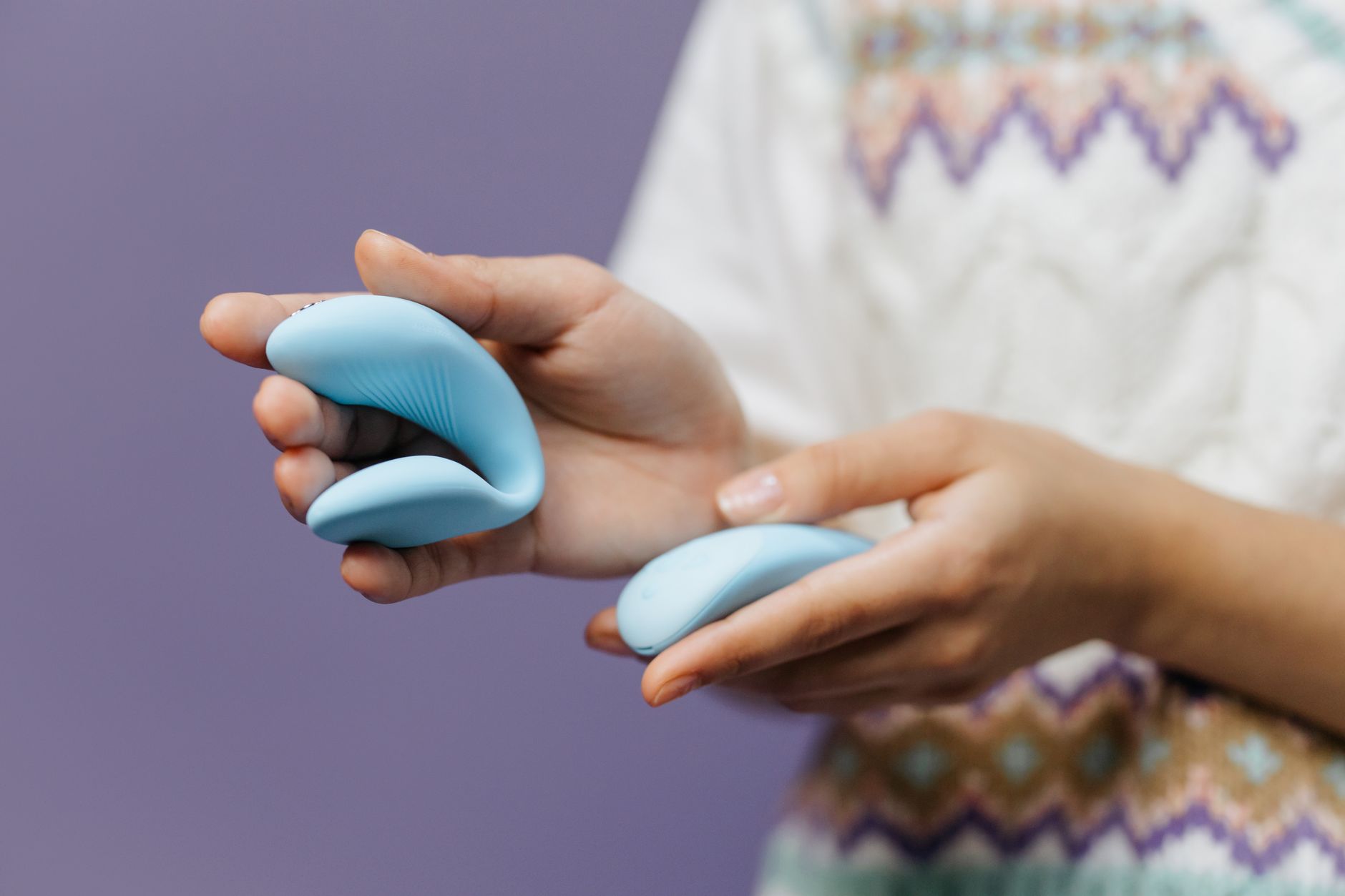
A Lemon Clitoral vibrator isn't a magic fix for desire mismatch. But it can be a practical tool for bridging the gap when both of you are willing to talk about what's actually happening.
The thing nobody says out loud
When your partner wants sex more often than you do, the implicit message is "your body should want what mine wants." That's impossible. Desire isn't a switch. It's influenced by stress, hormones, relationship connection, work load, health, medication, sleep, and about fifteen other variables. And here's the part that matters: when you force yourself to have sex you don't want, your nervous system registers it as a form of coercion. Over time, this trains your brain to associate sex with obligation, not pleasure.
So the first move isn't to use a vibrator. The first move is a conversation.
The conversation that actually changes things
Honestly, most couples don't know how to have this one. They default to either "we need to have more sex" or "I'm not in the mood" and then both people feel stuck. Here's a better frame:
Start here: "I notice we have different sex drives right now. I don't want either of us to feel resentful or rejected. Can we talk about what's actually going on?"
Then listen. Really listen. The person with lower desire might say:
- "I'm stressed about work and I don't have mental space."
- "I feel disconnected from you and sex feels performative."
- "I'm tired and touched out from kids."
- "My body doesn't respond the way it used to."
- "I feel pressured and that kills any desire I might have had."
None of these are "let's schedule sex more often" problems. They're different problems that need different solutions.
Where a clitoral vibrator enters the picture
If your lower desire is rooted in a body issue (sensation feels muted, arousal takes forever, orgasms are inconsistent), a lemon vibrator can help you reconnect with your own pleasure faster. This matters because it solves a specific problem: when you know you can reliably reach pleasure, you're more willing to engage.
Here's the practical shape of this:
You use a vibrator during partnered sex or solo time. You focus on what actually feels good to your body, not on moving things along for your partner's sake. When you experience reliable pleasure, something shifts. Sex stops feeling like an obligation and starts feeling like something worth your time.
If your partner's higher desire is rooted in needing more stimulation or faster arousal, the same logic applies in reverse. A vibrator gives them a faster path to satisfaction, which can actually reduce the pressure on you to "perform."
Three realistic scenarios
Scenario 1: Your partner wants sex, you're willing but not eager.
Use a vibrator early in foreplay. This isn't selfish. It's strategic. You warm up faster. Arousal builds. Your body actually wants what's happening. Everyone benefits, and you don't end up gritting your teeth through someone else's pleasure.
Scenario 2: Your partner wants sex more frequently, and you want to meet them halfway.
Talk about "frequency trade." Maybe you're willing to be sexual together two times a week, but only if one of those times is just you and your partner focused on your pleasure using toys. Or maybe your partner uses a vibrator solo while you're in the room, and you're present but not obligated to perform. These boundaries feel less like rejection because they're negotiated, not assumed.
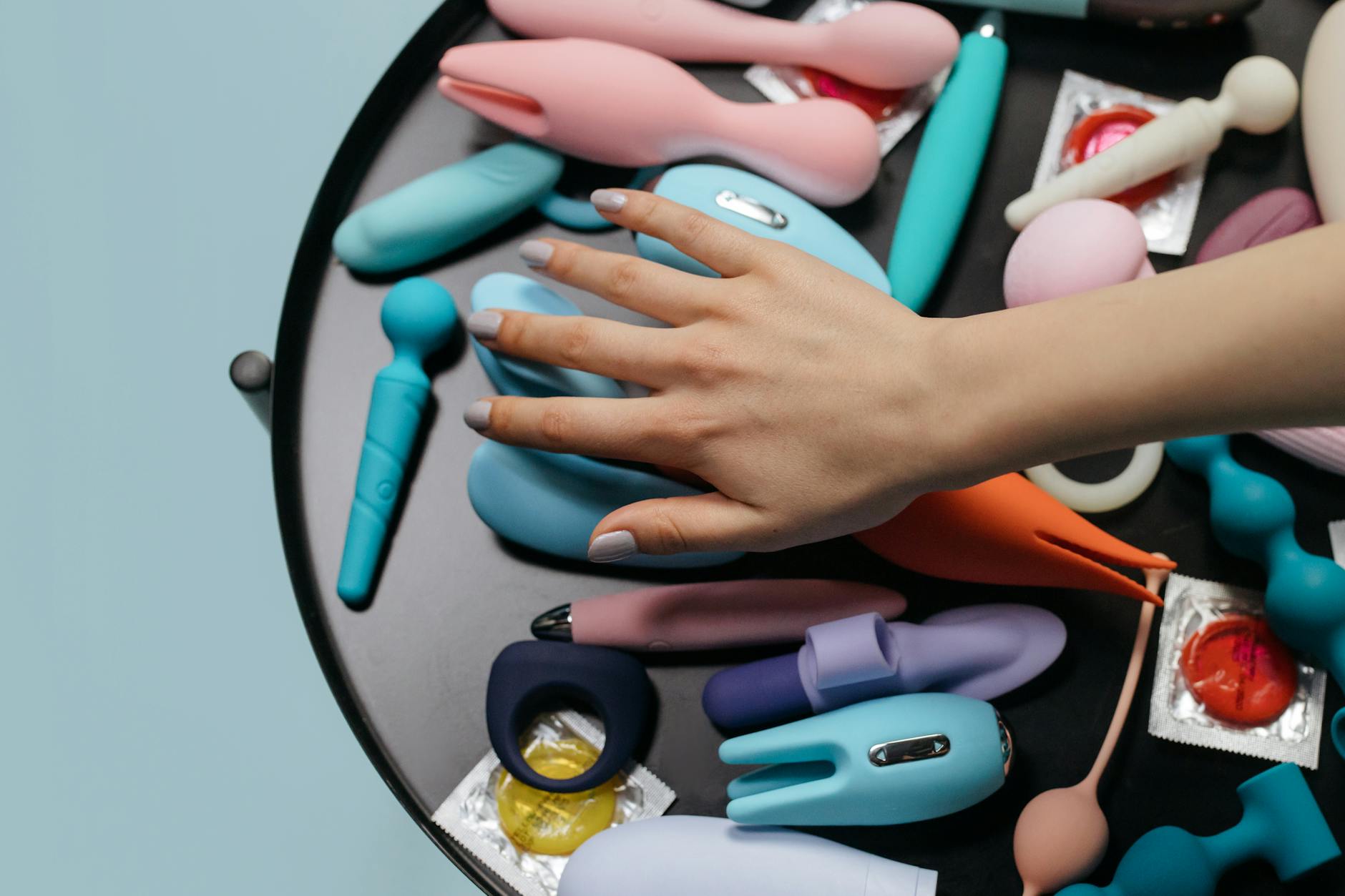
Photo by cottonbro studio on Pexels
Scenario 3: Your partner's higher desire is making you feel broken.
This one needs direct address. Your desire level isn't wrong. It's yours. If your partner is consistently pressuring you, that's a relationship issue, not a vibrator issue. A lemon clitoral vibrator can help you access pleasure on your own terms, but it shouldn't be used as a band-aid over coercion.
The role of genuine pleasure
Here's what I've seen shift in couples: when the person with lower desire experiences actual pleasure (not dutiful orgasm, but real, peak pleasure), something changes in their nervous system. Sex stops being "something I do for my partner" and becomes "something I want for me too."
This is where the design of a lemon vibrator matters. It's engineered for clitoral suction, which means faster, more reliable sensation. If you've been faking it or waiting it out, this can be genuinely revelatory. You might discover that your body is actually more responsive than you thought. You were just using the wrong tool.
When you access that pleasure consistently, your desire naturally gravitates upward. Not to match your partner's exactly. But to something that feels authentic to you.
Frequency negotiation that doesn't breed resentment
Here's what doesn't work: "You need to want sex more" or "My need for sex is valid so you should prioritize it."
Here's what does: "We want different things. Let's find a middle ground that doesn't involve anyone feeling pressured or rejected."
That might look like:
- Sex together twice a week, plus one solo session where your partner uses a vibrator while you're present but not actively involved.
- Sex together when you initiate plus one scheduled time where your partner initiates and you use a vibrator to help yourself along.
- A conversation about what "sex" actually means. Maybe penetration happens less frequently, but partnered orgasms (with toys) happen more often.
- Accepting that your frequency might be 1.5x a week instead of three times, and that's better than resentment.
When it's a mismatch that won't close
Sometimes desire gaps are too wide. Maybe your partner wants sex three times a week and you want it once a month. This is real and it's difficult. A vibrator won't solve it.
What it can do: make the times you do have sex more pleasurable for both of you, which paradoxically sometimes reduces the urgency around frequency.
What it can't do: manufacture desire you don't have.
If the gap is truly unbridgeable and both of you have genuinely tried to understand each other's needs, that's when you need a couples therapist, not a toy. I say this as someone who loves toys and knows their power. But they're not a replacement for real communication about incompatibility.
The part about your partner's needs
I've been focusing on you because that's often who feels the pressure. But let's name your partner's side too. Higher desire isn't a character flaw. Sometimes it's just how their body is wired. Sometimes it's a sign they need more emotional connection. Sometimes it's anxiety or a way of seeking reassurance.
A vibrator can help them too. If they're willing to use one solo, or if they're willing to explore partnered use where both of you are present but the focus is on their pleasure, that actually reduces the pressure on you.
The key: both of you have to want to understand the other's reality, not just defend your own.
What actually helps, in order
- Honesty. Stop pretending you want sex more than you do. Stop implying your partner's desire is excessive. Just name what's real.
- Curiosity. Why do they want sex more? Why do you want it less? Neither of you is broken until you understand the actual reason.
- Boundary-setting. You get to say no. They get to express their desire. Both can be true.
- Tools. A lemon clitoral vibrator, when the issue is actually about pleasure or sensation, can genuinely help.
- Professional help. If you're stuck, a couples therapist trained in sexual issues can navigate this way better than we can on our own.
FAQ
Does using a vibrator mean I'm not satisfied with my partner?
No. A vibrator is a tool. It's like saying using a neck massager means you don't love your partner's hands. Your clitoris has one job: receive pleasure. A lemon vibrator does that reliably. Your partner does other things. Both are true.
What if my partner is jealous of me using a toy?
That's a conversation, not a reason to hide. Jealousy around toys usually signals anxiety about being "enough." You can reassure them while also setting a boundary: "I need this tool for my own pleasure. It's not about you. It's about me knowing what feels good." If they can't move past the jealousy after honest conversation, that's a relationship issue worth exploring together.
How do I bring up using a vibrator when my partner already wants more sex?
Directly. "I want to try something that might help me enjoy sex more often. I want to use a vibrator when we're together because I think it'll help me feel pleasure faster and more reliably." Frame it as solving a problem for both of you, not as a rejection of them.
Can a vibrator actually increase my libido?
Maybe. If your lower desire is rooted in not knowing how to reach pleasure, yes. If it's rooted in relationship issues, stress, or medical factors, the vibrator helps you reconnect with your capacity for pleasure, which can shift things. But it won't create desire that doesn't exist.
What if the problem is that my partner wants me to want more sex?
Then the problem isn't a vibrator. The problem is that your partner is trying to change your fundamental wiring. You can't negotiate someone into wanting more sex. You can only negotiate what both of you are willing to do about the difference that exists.
Is it normal for partners to have different sex drives?
Completely. Most couples do. The question isn't whether it's normal, but whether both of you can accept the difference without resentment.
The real move
Your different sex drives aren't a sign something's wrong. They're a sign you're two different people with different bodies and different needs. A lemon clitoral vibrator can help you access your own pleasure more reliably. It can make sex better when it happens. But it can't close a desire gap that's rooted in misunderstanding, pressure, or incompatibility.
Start with the conversation. Get curious about what's actually happening. Then, if the issue is about pleasure or sensation, a vibrator can help. But the real work is the honesty. That's what changes things.
If you're stuck on how to have this conversation, or if the gap feels too wide to bridge, reach out. I'm here to help you navigate the messy middle ground where most real relationships actually live.