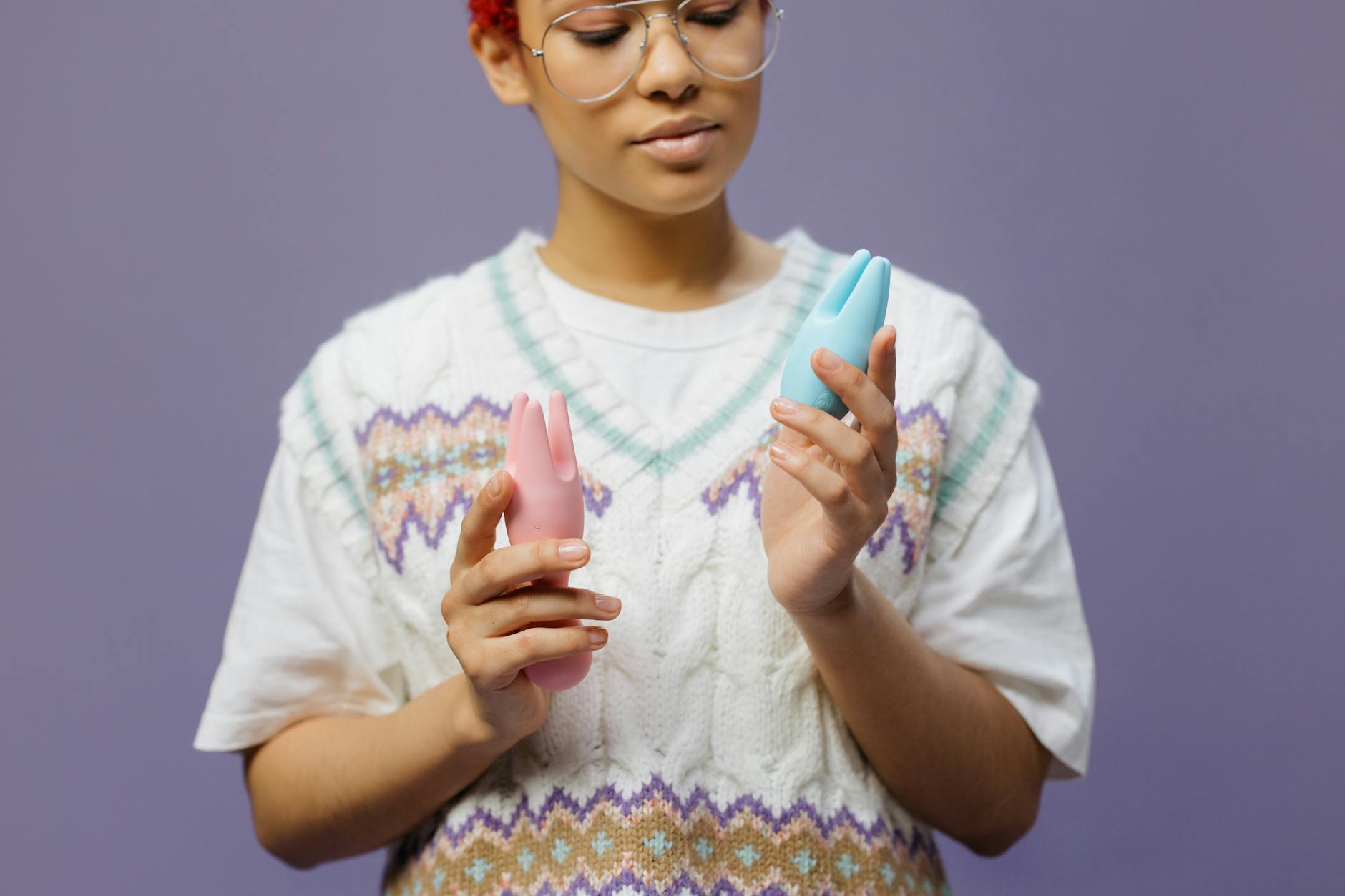
The moment everyone dreads
You're a few weeks or months into something real with someone new. Things are good. Then you think about your Lemon vibrator, sitting in your drawer, and suddenly your chest gets tight. How do you even bring this up? Will they think you need it because they're not enough? Will they feel replaced? Will the whole mood die?
Here's the thing. That conversation is actually the opposite of a mood killer. It's the moment you stop performing and start connecting. And I've watched hundreds of couples move from that nervous energy to genuine intimacy just by doing it right.
Why timing matters more than you think
There's a window where this conversation lives best. Not too early. Not squeezed into post-sex awkwardness. Not as a text when you're both scrolling at midnight.
The sweet spot is usually somewhere between week three and month two. You've had enough sex to know you like each other. You're past the initial anxiety. But you haven't built up this narrative in your head where not mentioning it feels like a lie of omission.
Don't do it right before sex. That creates pressure and reads as logistics. Don't do it after a conflict about desire or frequency. That makes it seem like a solution to a problem rather than an addition to something good.
The best moment is when you're relaxed together, not naked, and there's time for an actual conversation. A lazy Sunday morning. After dinner when you're on the couch. Anywhere you can talk for five minutes without rushing.
How to actually say it
Forget the script. Genuine conversation beats rehearsed lines every time. But here's the shape of what works.
Start with your own pleasure, not the problem. "I've been using this clitoral vibrator on my own for a while, and I really enjoy it" lands totally differently than "I need something extra to get off with you." One is about you. One is about them.
Then you hand them the information. "I was thinking it might be fun to use together if you're interested." Not "Do you mind if I use this?" That's asking permission for your pleasure. You're inviting them to something.
If they seem hesitant or quiet, name the thing you think they might be feeling. "I know this might feel weird. A lot of people have stories about vibrators stealing their thunder. That's not what this is for me." You've just given them permission to actually say what they're thinking instead of nodding while spiraling.
What they might think (and what that actually means)
Your new partner might worry they won't be able to do what the vibrator does. This is the most common one. The answer is simple and true: a Lemon vibrator doesn't do what a human does. It does a different thing. You can come from a vibrator and still need them in every other way. These aren't mutually exclusive.
They might feel like you're withholding information. Fair. You are, in a way. Reframe it as "I wasn't sure how to bring it up, but I want to share this with you." Vulnerability converts skepticism pretty fast.
They might worry about performance. This is deep and real. Let them know that vibrators aren't about their performance. They're about your neurology. Your clit has 8,000 nerve endings. A vibrator helps you access them. That's not commentary on them.
The crucial conversation underneath the conversation
Once you've introduced the idea, the real work is listening. Ask them what they're actually feeling. Not a yes or no. An actual feeling.
Some people have never seen a sexual tool up close. Some have a story attached. Maybe they grew up with messages that real sex is only one specific thing. Maybe a past partner used a vibrator as an escape hatch from intimacy.
Your job is to hear what's underneath their hesitation, not to talk them out of it. "That makes sense. I get why you'd worry about that" goes further than "You shouldn't feel that way."
If they're into it, that's great. If they're not ready, that's also information. And it's worth asking yourself whether you're willing to wait, whether you need to, or whether this is part of a bigger mismatch about desire.
When you first use it together
If they say yes, don't make it a production. The most successful introductions I've seen aren't ceremonial. They're casual.
Use your Lemon vibrator the same way you'd use your fingers. Start with familiar rhythms. You can put your hand over theirs. You can guide them. You can show them where you like it. This isn't about them learning to use a tool. It's about them being part of your pleasure.
Start at lower settings. Most people set their expectations sky high and then the vibration feels like a jackhammer. Patterns one through three exist for a reason. Work up from there.
You can also use it solo while they're there. This is less about performance and more about them witnessing your pleasure. That's genuinely intimate and often less intimidating for someone new.
The thing nobody talks about
Sometimes they'll love it immediately. Sometimes they'll need a few tries to get comfortable. Sometimes they'll stay weird about it forever, and you get to decide if that's a dealbreaker.
What matters is that you had the conversation. You didn't pretend to be someone you're not. You didn't hide your own pleasure to make them feel better. That's not intimacy. That's performance.
A partner who can handle this conversation is a partner who can handle other conversations. About what you actually like. About what's not working. About wanting something different. If someone gets defensive or controlling about your pleasure, that's information about the relationship that matters more than whether they're cool with a vibrator.
After the initial conversation
If they're on board, you don't need to keep explaining yourself. A clitoral vibrator isn't a special occasion thing. It's a tool you use sometimes. Treat it that way.
If they're hesitant, don't push. But do check in later. "I noticed you seemed uncertain about the vibrator thing. Still feeling that way?" Sometimes people need to sit with the idea. Sometimes they were just surprised. Sometimes they come back around.
Also, don't make this the thing that defines your sex life together. Use it when it feels good. Don't use it when it doesn't. This isn't about proving something. It's about pleasure.
The deeper win
Here's what I've noticed across my own relationships and the couples I work with. The ones who can talk about vibrators, desire, and pleasure openly are the ones who stay connected. They're the ones who keep exploring. They're the ones who don't let sex become routine or obligatory.
Your Lemon vibrator isn't a replacement for your partner. It's evidence that you know what feels good, that you're willing to ask for it, and that you see sex as something to keep developing together. That's hot. And it's rare. Own it.
FAQ
Will a vibrator make my new partner feel inadequate?
Not if you're clear about what it is. A vibrator creates a specific kind of sensation your partner's body can't replicate. That's not a failure on their part. It's just neurology. Most secure partners actually find it hot when their partner knows and asks for what they want. It's the hiding and resentment that breeds insecurity.
How soon is too soon to bring up a Lemon vibrator with someone new?
I usually recommend waiting until you've established comfort in your sex life together. That's usually three to eight weeks, depending on how often you see each other. You want them to feel secure enough that they don't interpret it as a critique. You also don't want to hide something essential about your pleasure. There's a middle ground. Find it based on how you actually feel.
What if they say they don't want me to use it?
That's their boundary. You get to decide if it's a dealbreaker for you. Some people can let go of something they enjoy. Some can't. Both are valid. But I'd be curious about why. If it's a control issue, that's a pattern worth noticing early. If it's genuine anxiety, that's something you can work through together or decide not to.
Can I use a lemon vibrator without telling my partner?
Technically yes. Practically, not great. Secrets about sex usually come out sideways. Someone finds it. Someone notices you're more into it. And then the conversation is defensive instead of generative. If you need a vibrator and your partner needs to control your pleasure, that's the actual problem. The vibrator is just where it surfaced.
Will using a Lemon vibrator together actually improve our sex life?
It can. But only if the conversation is real. A vibrator is a tool, not a fix. If you're using it to avoid talking about deeper mismatches in desire or attraction, it'll just amplify the problem. But if you're using it to deepen pleasure and connection, and you can talk about it openly, yeah. Most couples find their sex life gets better because the communication gets better, and the vibrator is just part of that.
What if my partner wants to use it on me but I feel too vulnerable?
You get to pace this however you need to. You can use it on yourself while they're present. You can guide their hand. You can take breaks. Vulnerability is a choice, and it should always be yours. A good partner will wait for you to be ready.
If you're looking for more guidance on navigating intimacy shifts with a new partner, you might find it helpful to explore how pleasure evolves when partners have different libido levels or how to rebuild closeness after relationship transitions. Both dig into the communication piece more deeply.
The conversation matters more than the tool. Do it right, and everything changes.