
Let's talk about time off
Whether it's been three months, a year, or longer, picking up pleasure again after a pause can feel weirdly loaded. You might worry your body has forgotten how to respond. You might feel rusty, disconnected, or like you should just jump back in where you left off.
Here's the thing: your body hasn't forgotten. But your nervous system might need a gentle reintroduction. That's not failure. That's normal.
Why returning to pleasure feels different
When you take time away from sexual touch, a few things happen physiologically. Your pelvic floor muscles lose some of their flexibility and responsiveness. Your brain's pleasure pathways don't atrophy, but they do go quiet. Your tissues may have become less accustomed to stimulation, which means what felt comfortable before might now feel too intense.
Additionally, the longer the break, the more mental baggage tends to pile up around it. Shame, anxiety, or just plain self-consciousness can create tension in your body that blocks arousal before physical sensation ever has a chance.
This is especially true if the break happened because of stress, illness, relationship changes, or just burnout. Your body learned to protect itself by dampening response. Restarting pleasure means asking that protection to soften.
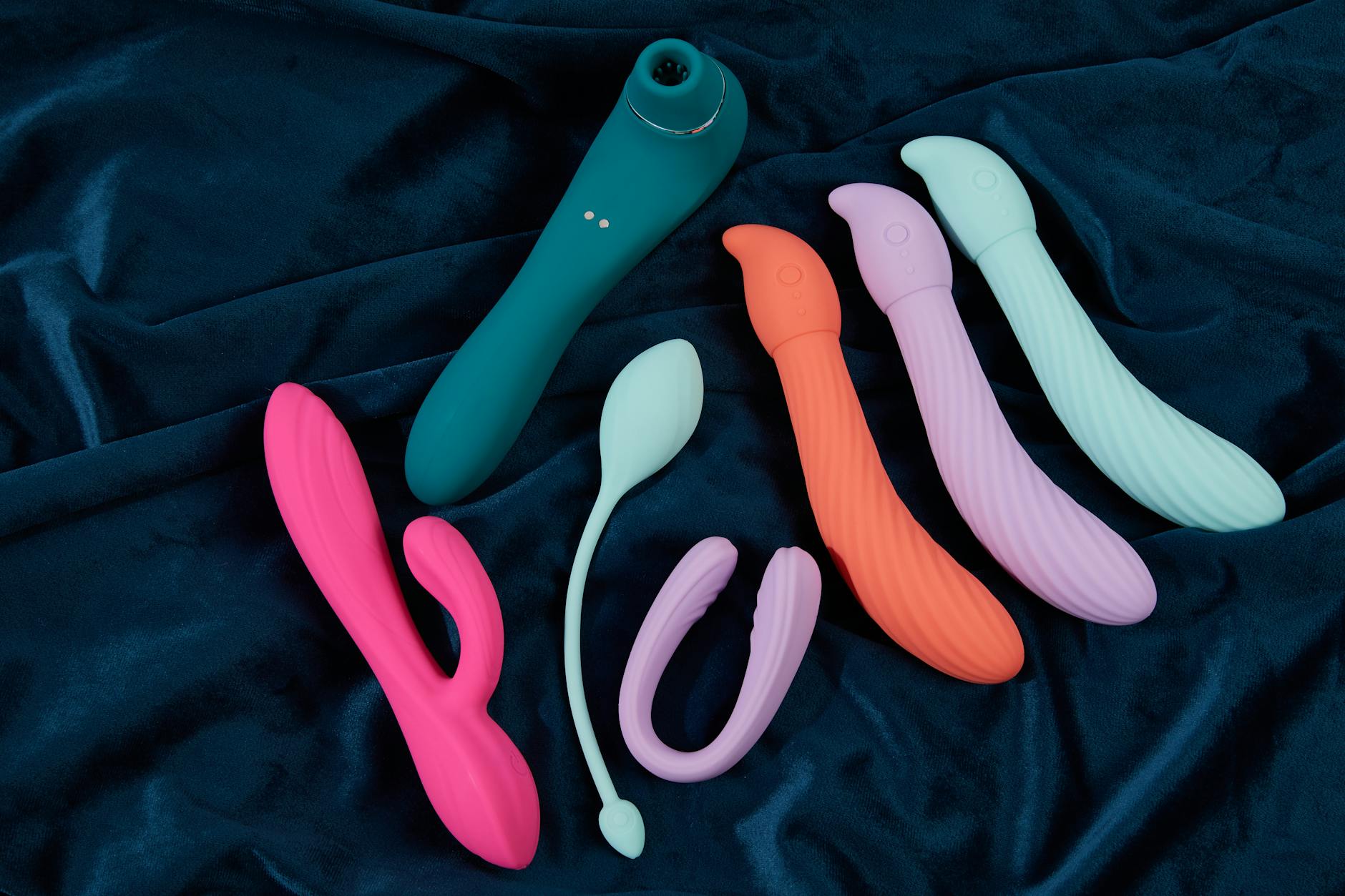
Photo by IFONNX Toys on Pexels
Why a lemon clitoral vibrator is perfect for a restart
If you used a traditional vibrator before your break, you might assume you should just pick that up again. But here's where a lemon vibrator actually has a real advantage: suction-based stimulation requires less direct friction, which means less likelihood of overstimulation when your tissues are recalibrating.
Traditional vibration can feel harsh to tissue that's been inactive for a while. The rapid movement, even on lower settings, can trigger a protective response in your pelvic floor. Suction, by contrast, is gentler and more diffuse. It spreads sensation across the whole area rather than concentrating it in one spot.
A lemon vibrator also gives you granular control. You can start on the absolute lowest setting and the suction creates a gentle pulse that feels more like building arousal than mechanical stimulation. For someone restarting pleasure, that nuance matters.
The step-by-step restart protocol
Day 1-3: Just look at it. I'm not being cute. If anxiety is part of your break, your nervous system needs to reacquaint itself with the object without pressure. Leave your lemon vibrator somewhere you'll see it naturally. In your nightstand. On your bathroom shelf. The goal is casual familiarity.
Day 4-7: Touch without power. Pick it up, hold it, feel the weight and temperature. Run it over your inner arm or neck. This is a sensory reset, not arousal. Your brain is learning: this thing is safe, it's not a performance demand, it's just an object.
Week 2: Solo sensation exploration. Set aside 15-20 minutes when you're alone and relatively calm. No pressure to get aroused. Lie down, turn on the lowest setting, and place the lemon against the outer labia or upper inner thigh. Not the clitoris yet. The goal here is to feel gentle stimulation without the intensity.
Week 3: Gradual clitoral introduction. Once you've spent a few sessions with lower-intensity sensation, you can move the lemon toward the clitoris. Start with it above the clitoris rather than directly on it. Many people find the indirect stimulation lets arousal build more naturally. Let yourself spend 5-10 minutes here before moving to direct contact.
Week 4+: Expansion with intention. If the previous weeks have felt good, you can start exploring different settings on your lemon vibrator. But here's the key: only move up in intensity when your body is asking for it, not because you think you should be back to where you were.
The mental side of coming back
Physically restarting is half the equation. The other half is managing the voice in your head that's probably saying something like: "I should be over this already" or "Why is this taking so long" or "Something's wrong with me."
None of those things are true. Your body has its own timeline. Reconnecting with pleasure isn't a race. It's not about proving something to yourself or anyone else. It's about slowly, safely, expanding your capacity for good sensation again.
If you have a partner, let them know you're restarting and what that means for you. It doesn't have to be a big conversation. "I'm working on reconnecting with pleasure on my own timeline and I might be quieter sexually for a bit" gives context without oversharing. This prevents your partner from misinterpreting your slower pace as something they did or something about them.
When to slow down further
If at any point during this restart you feel pain, sharp discomfort, or intense pelvic floor tension, pause. Take a day off. This isn't punishment. Your nervous system is asking for more time.
If you notice you're feeling more anxious as you progress rather than less, that's also information. It might mean the pace is too fast, or it might mean there's some emotional work around pleasure that needs attention first. A therapist who specializes in sexual wellness or somatic work can help with that part.
Pain during pleasure after a long break is also worth getting checked out by a gynecologist. Sometimes breaks can correlate with changes in lubrication, tissue thickness, or pelvic floor tension that benefit from professional assessment.
Lubrication is not optional
After time away, your natural lubrication might not kick in as quickly or abundantly as it used to. Water-based lube should be part of your restart protocol from day one of actual stimulation. It's not a sign of dysfunction. It's a tool that makes the whole experience more comfortable and actually helps your body relax more easily into arousal.
Apply lube generously. Reapply as needed. This is self-care, not a workaround.
What patience actually builds
Here's what I've seen happen in my own clinical practice when people give themselves permission to restart slowly: the pleasure that returns is often deeper than before. Because you're not rushing. Because you're paying attention to sensation instead of performance. Because you've built back trust with your own body.
Some people discover they actually prefer a slower, more exploratory approach to pleasure even after they could speed up. Something about the restart process teaches you to listen to your own signals instead of defaulting to old patterns.
Your lemon vibrator isn't going anywhere. Neither is your capacity for pleasure. This is just the bridge.
FAQ: Restarting Pleasure With a Lemon Vibrator
How long should the entire restart process take?
There's no universal timeline, but most people feel comfortable progressing through the full protocol in 4-6 weeks. Some take longer, some shorter. The marker isn't time passed but how your body feels. When you notice your arousal building naturally and you're not experiencing anxiety, you're moving in the right direction.
Can I use my lemon vibrator with a partner during the restart phase?
Yes, and it can actually be helpful for communication. Using it together early on takes the pressure off performance and lets your partner see what feels good to you in real time. But make sure you've done solo exploration first so you know your own signals.
What if I still feel overstimulated even on the lowest setting?
Try using the lemon vibrator without powering it on at all for longer. Just the physical sensation of the toy against your skin, combined with your own touch, can help recalibrate sensitivity. You can also experiment with placing it farther from the clitoris or using it through clothing initially.
Is it normal to feel emotional when restarting pleasure?
Completely normal. Touch and pleasure are tied to vulnerability, safety, and your nervous system's history. As you restart, old feelings might surface. Grief about the time away. Relief at returning. Sadness about circumstances that caused the break. All of that is valid and part of the process.
Can medication affect how my restart goes?
Yes. If you're on antidepressants, hormonal birth control, blood pressure medication, or anything that affects arousal or sensation, your restart might look different than expected. That's not a problem. It just means you're adapting to your actual body rather than an imagined version of it. If side effects concern you, talk to your prescriber.
Should I set a goal for how often to use my lemon vibrator during restart?
Not a rigid one. Instead, think of it as exploration you're inviting rather than a task you're completing. 2-3 times per week is plenty during the restart phase. The goal is building trust and positive association, not achieving orgasm on a schedule.
Restarting pleasure takes patience and self-compassion. If you're ready to ease back in, a lemon clitoral vibrator paired with a slow, intentional approach creates the conditions for genuine reconnection. Your body will tell you when it's ready to expand. Listen to it.