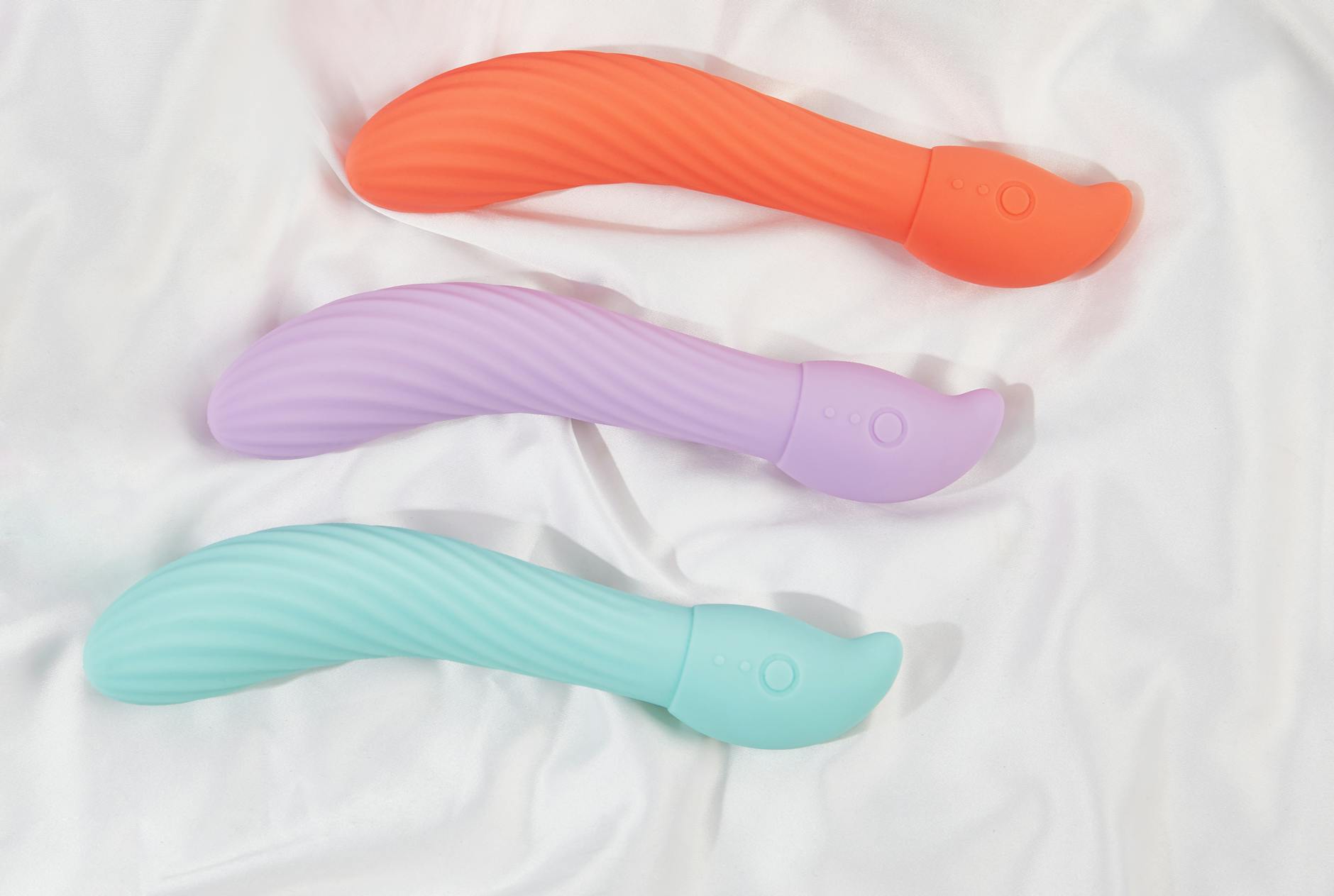
Here's the thing nobody tells you about hormonal birth control and pleasure
Hormonal contraception is wildly effective at preventing pregnancy. What it also does, quietly and without much fanfare, is reshape how your body experiences arousal and orgasm. This isn't a bug or a side effect you need to suffer through. It's just information. And once you understand what's happening, you can work with your body instead of against it.
That lemon clitoral vibrator you love? It might feel different on the pill than it did before. The sensations might be more muted. Orgasms might take longer. Or weirdly, you might feel less interested in using it altogether. None of this means you're broken or that the vibrator suddenly stopped working. Your neurochemistry shifted, and that changes everything.
What hormonal birth control actually does to arousal
Hormonal contraceptives work by suppressing the hormonal surge that triggers ovulation. That means less testosterone, less estrogen fluctuation, and a flattened hormone curve across your entire cycle. For many people, this is exactly the point. For your pleasure? It's complicated.
Testosterone drives sexual desire in everyone, regardless of gender. People on hormonal birth control often see testosterone drop by 20 to 50 percent depending on the formulation. Less testosterone can mean a genuinely quieter sex drive. You might notice you think about sex less often, or that the impulse to touch yourself or use a vibrator feels distant.
Estrogen affects tissue thickness, blood flow, and how quickly you physically respond to stimulation. The fluctuation you had before on a natural cycle meant sharper peaks in arousal and sensation. On hormonal contraceptives, that fluctuation flattens. Instead of a slow burn that peaks mid-cycle, you get a consistent, lower baseline. Your lemon vibrator isn't weaker. Your body's response is just steadier and sometimes quieter.
How sensation actually changes with a lemon vibrator
Some people using hormonal birth control report that clitoral vibrators feel less intense. This is real, and it's not psychological. Here's the mechanism.
The clitoris responds to both pressure and vibration, but also to hormonal signaling that affects nerve sensitivity. Estrogen fluctuations normally heighten sensory perception. When you're on a hormonal contraceptive, that heightening doesn't happen the same way. The nerves are fine. The sensation pathways work. But the amplification that natural hormone cycles used to provide is gone.
Second, blood flow matters. Higher estrogen and testosterone both increase blood flow to the vulva, which makes sensation more acute. On hormonal birth control, that blood flow is more stable and often slightly lower. This doesn't mean numbness, but it can mean you need different patterns, longer warm-up time, or different settings on your lemon vibrator to feel the same intensity.
The pattern and setting shift that actually helps
If you've been using the same rhythm and intensity on your lemon clitoral vibrator before and after starting birth control, that's probably why things feel different. Your body literally isn't responding to the same stimulus the same way.
Three tactical shifts I recommend to people on hormonal contraceptives who love their vibrators:
Extend your warm-up. On a natural cycle with higher testosterone and estrogen fluctuation, your body might have primed itself for arousal in 10 minutes. On hormonal birth control, budget 15 to 25 minutes. This isn't weakness. This is your nervous system operating at a different baseline. Treat warm-up as part of the pleasure, not a hurdle.
Start lower, escalate slower. If your lemon vibrator has multiple settings, you might have always jumped to pattern 4 or 5. Try starting at 2 or 3 and spending more time there. The goal is to match your body's actual arousal pace, not to override it. When you flow with what's happening instead of trying to force a faster response, pleasure actually deepens.
Pay attention to your window. Hormonal birth control flattens your cycle, but it doesn't erase it entirely. Most pills still have a hormone-free interval. Some people notice their libido and sensation spike slightly during that week. Others feel more connected to their body midweek. Track a few cycles and notice when you feel most responsive. That's not your imagination. That's your body's remaining rhythm.
What doesn't change (and this matters)
Your capacity for orgasm doesn't disappear on hormonal birth control. Some people do report that orgasms are harder to reach or feel less intense. Others find them exactly the same. The variability here is huge, and much of it depends on your specific formulation, baseline sensitivity, and relationship stress.
What's guaranteed: the clitoral nerve pathways are intact. The physical structures still work. Your brain still responds to pleasure. If you had easy orgasms before hormonal birth control, the mechanism didn't vanish. You might just need to approach it differently.
Second, your capacity for pleasure and desire can absolutely return if you stop hormonal birth control. This isn't permanent. Many people who stop taking the pill report feeling like themselves again within a few cycles. The sensitivity comes back. The spontaneous arousal returns. Some people find this difference so meaningful they switch contraceptive methods. Others adjust to their body on hormonal birth control and never look back. Both are valid.
The formulation matters wildly
Not all hormonal birth control affects your body the same way. The progestin type, the estrogen dose, and even the delivery method change how you feel.
Combination pills with higher estrogen doses tend to suppress sex drive less than lower-dose pills. Hormonal IUDs release a tiny amount of progestin directly into your system, often affecting libido less than pills. The copper IUD has zero hormones and therefore doesn't change your neurochemistry at all.
If you're on a birth control method and hate how your body feels on it, you don't have to stay there. A conversation with your doctor or gynecologist about formulation swaps can genuinely change your experience. I've seen people go from