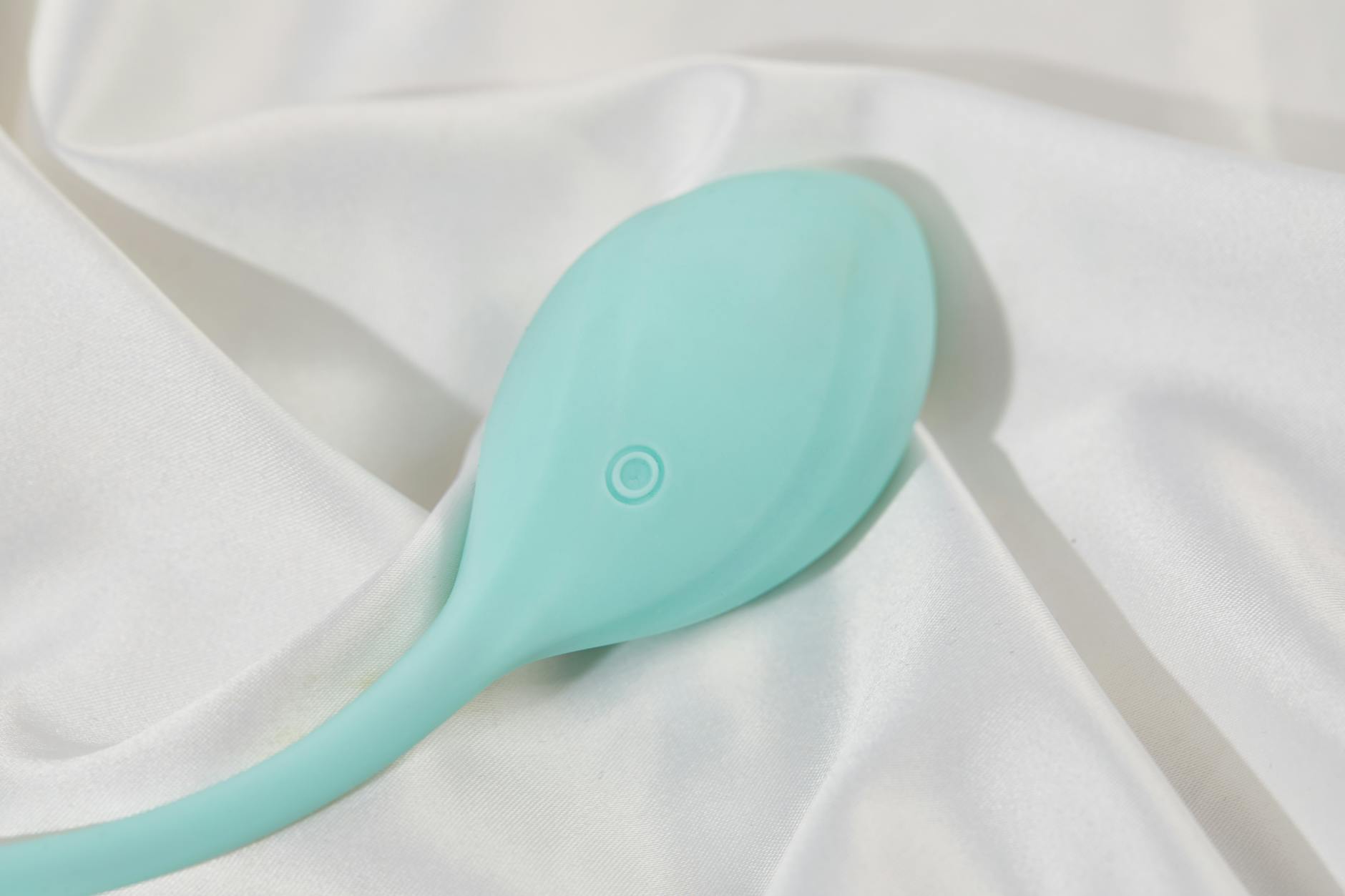
Antidepressants change pleasure. That's not a side effect you imagined.
Let's be real. You started an SSRI or another antidepressant to feel better, which you do. But now arousal is harder to find, sensation feels muted, or orgasms are completely gone. That sucks. And you're definitely not alone. Between 40-60% of people on antidepressants report sexual changes. But here's what nobody explains clearly: it's not depression lifting your sex drive. It's the medication itself.
The good news? It's not permanent. And lemon clitoral vibrators, along with a few other adjustments, can genuinely help.
How SSRIs actually affect arousal
SSRIs (selective serotonin reuptake inhibitors) work by increasing serotonin in your brain. More serotonin helps depression and anxiety. But serotonin also dampens dopamine in areas of the brain involved in sexual motivation and reward.
Translate that to your body: desire becomes harder to access. The mental interest that usually kicks things off slows down. It's not that you don't love your partner or that you don't want pleasure. It's that the signal from your brain to your body gets quieter.
At the same time, SSRIs can delay orgasm or flatten its intensity. This happens partly through serotonin pathways and partly because these medications can reduce genital sensation. Some people lose orgasm entirely on SSRIs. Others find it takes longer and feels different when it arrives.
This is the part nobody warns you about upfront, and it's worth knowing: different SSRIs affect sexuality differently. Sertraline and paroxetine tend to have higher rates of sexual side effects. Bupropion, which works on dopamine and norepinephrine instead of serotonin, actually often improves sexual function. If you're struggling and your SSRI was prescribed without discussing this, that conversation with your doctor matters.
Why lemon vibrators work better when you're on antidepressants
Lemon clitoral vibrators use suction and gentle pulsing rather than harsh direct vibration. That's relevant here for two specific reasons.
First, when sensation is muted by medication, suction stimulates a broader area of nerve endings around the clitoris without requiring intense direct friction. You get more signal to your brain with less pressure. The Lem vibrator, for example, creates a seal that draws tissue gently upward, activating nerves that traditional vibrators might miss.
Second, when arousal is slow to build, suction devices tend to build pleasure more gradually and predictably than high-speed vibration. That gentler escalation feels less jarring when your nervous system is already running at a lower baseline.
The physical sensation changes that actually happen
Three main shifts tend to occur on antidepressants, and they're worth naming clearly:
Numbness or reduced sensation. Genital tissue literally feels less responsive. Touch that would have been pleasurable before now registers as neutral. This is partly neurological and partly vascular. SSRIs can reduce blood flow to genital tissue, which dampens sensitivity.
Delayed arousal. Your body takes longer to warm up. What used to happen in five minutes now takes fifteen or twenty. This isn't laziness or loss of interest. It's a physiological slowdown. Budgeting more time and being patient with yourself matters.
Flattened orgasms or loss of orgasm entirely. When orgasms do arrive, they might feel less intense. The peak is less pronounced. For some people, orgasm stops happening altogether. The medical term is anorgasmia, and it's one of the most distressing sexual side effects of SSRIs.
What helps: medication adjustments
If sexual side effects are severe, talk to your prescriber about three options.
First, dose adjustment. Sometimes lowering the dose slightly reduces sexual side effects without compromising mood. This requires careful monitoring but works for some people.
Second, timing. Taking your SSRI at a different time of day or right after sex can sometimes help. This is more relevant for some SSRIs than others. Your doctor can tell you if it applies to yours.
Third, medication switching. Moving from sertraline to bupropion, or from paroxetine to escitalopram, can make a real difference. Bupropion in particular is often chosen when sexual function matters. It's not a quick fix, and the switch requires tapering, but it's worth discussing if the current medication is significantly affecting your quality of life.
Whatever you do, don't just stop the medication. Stopping SSRIs suddenly causes withdrawal effects and often brings depression back. Work with your doctor on any change.
What helps: tools and technique
While you're figuring out medication, lemon clitoral vibrators and a few technique shifts genuinely improve outcomes.
Start with plenty of time and no pressure. Give yourself twenty to thirty minutes for arousal when you can. No rushing. Your body needs that time now.
Use lube. Always. Not because you're broken, but because reduced blood flow means less natural lubrication. Water-based lube makes a huge difference with silicone toys.
Start with the lowest intensity. Lemon vibrators have multiple settings. Begin at pattern one or two and build from there. Your nervous system is already muted. Gentleness allows you to feel what's happening rather than getting lost in intensity.
Experiment with indirect stimulation. Rather than direct clitoral contact, try stimulating the surrounding tissue or the mons pubis. This often feels more pleasurable when sensation is reduced.
Mind the gap between expectation and reality. You're not trying to recreate pre-medication orgasms. You're finding what pleasure feels like now. It can be different and still be good.
The emotional piece that matters as much as the physical
Antidepressants save lives. They reduce suffering. But they also introduce a grief that nobody talks about. You feel better mentally and worse sexually. That's a trade-off that deserves honesty.
In relationships, this often becomes a conversation between partners about what sex is for. If it was always about orgasm, the change feels like loss. If you can expand what sex means to include intimacy, touch, presence, and pleasure without a specific endpoint, the whole experience opens up differently.
If you're single, the muting of desire can feel isolating in a different way. You might question whether you're attracted to people anymore. You probably are. The medication is just turning down the volume on the signal.
Neither of these conversations is easy. But they're worth having with a partner, with yourself, or with a therapist who understands both mental health and sexual health.
When to involve a doctor or specialist
If sexual side effects are persistent and affecting your life, you have the right to bring it up. Many people don't because they feel like mental health takes priority. It does. But that doesn't mean sexual health has to be sacrificed. A good psychiatrist takes both seriously.
If your current doctor dismisses the concern or suggests you just get used to it, that's a sign to seek a second opinion. Sexual dysfunction from medication is a recognized, treatable issue.
Specialists in sexual medicine or sex therapy can work with you on strategies specific to medication side effects. Some therapists use lemon clitoral vibrators as part of structured pleasure rehabilitation protocols, particularly when anorgasmia is the main issue.
Photo by cottonbro studio on Pexels
The research on antidepressants and sexual function
Here's what we know from clinical evidence. SSRIs cause sexual dysfunction in roughly 40-60% of people, depending on the drug and dose. Bupropion causes it in about 10-15% and sometimes actually improves sexual function. SNRIs (like venlafaxine) fall somewhere in the middle. Tricyclic antidepressants have variable effects.
The changes usually appear within the first two to four weeks of starting medication. They can persist or sometimes improve over time as your body adapts.
When people switch from an SSRI to bupropion or to a different class of antidepressant, sexual function typically improves within two to eight weeks. That timeline matters for managing expectations.
There's also emerging evidence that combining medication management with sex therapy yields better outcomes than either alone. If you're working with a lemon clitoral vibrator and a therapist, you're actually following the evidence.
People also ask
Can antidepressants permanently damage sexual function?
No. Sexual side effects from SSRIs are reversible. Once you adjust the dose, switch medications, or your body adapts, function typically returns. Some people report that sexual sensitivity never fully returns to baseline, but that's less common. The key is addressing it early rather than waiting and hoping.
Does using a lemon vibrator help restore sensation faster on antidepressants?
Partially. Lemon clitoral vibrators can help you access pleasure now by working with your current sensitivity level rather than against it. Using a vibrator regularly while on antidepressants seems to help maintain responsiveness better than not using one, but there's no evidence that vibrators can counteract the medication itself. Think of it as damage prevention and adaptation, not reversal.
Should I tell my partner my antidepressant is affecting my sex drive?
Yes, eventually. Not as a crisis conversation, but as information. "My medication affects desire, and we might need to adjust how we approach sex" opens a door to problem-solving together. It also removes the burden of your partner wondering what's wrong or taking it personally. This conversation is easier with a framework for talking to partners about sexual changes.
Can I stop antidepressants to get my sex drive back?
Don't do this without talking to your doctor. Stopping suddenly causes withdrawal symptoms and often brings depression back. But it's absolutely worth discussing with your prescriber if sexual side effects are severe. There might be alternatives that work for your depression and feel better sexually. That conversation is valid.
Does the type of antidepressant really matter for sexual side effects?
Yes, significantly. Bupropion, mirtazapine, and some others are gentler on sexual function. Sertraline and paroxetine tend to have higher rates of sexual side effects. If you're just starting medication, asking your doctor about sexual side effect profiles is smart. If you're already on something that's affecting you, switching is worth exploring.
How long does it take for sexual function to improve after switching antidepressants?
Most improvement happens within two to four weeks of starting a new medication, with continued improvement over eight weeks. Some people feel the difference within days. The transition period can feel uncertain, but patience usually pays off.
The bottom line
Antidepressants are life-changing. So is having your sexuality affected by them. Both things are true. You don't have to choose between mental health and sexual health. You can work with your doctor, your body, and tools like lemon clitoral vibrators to have both.
The changes you're experiencing are real, physiological, and addressable. It takes honest conversation, sometimes medication adjustment, patience with your body, and permission to explore pleasure differently than you did before. That's not settling. That's adapting. And adaptation often leads to deeper, more conscious pleasure than what came before.
If you're struggling with this right now, you're not broken. Your medication is working. Your body is responding. The next step is giving yourself the same care you gave yourself when you started the medication in the first place. You deserve pleasure and mental health. Both are possible.
Want to talk through your specific situation? Reach out to us.
Sources
- Clayton, A. H., & Montejo, A. L. (2006). Major depressive disorder, antidepressants, and sexual dysfunction. The Journal of Clinical Psychiatry, 67(Supplement 6), 33-37.
- Balon, R., & Segraves, R. T. (2008). Antipsychotic-induced sexual dysfunction in women. CNS Drug Reviews, 11(2), 112-126.
- Serretti, A., & Chiesa, A. (2009). Treatment-emergent sexual dysfunction related to antidepressants: A meta-analysis. The Journal of Clinical Psychiatry, 70(10), 1394-1407.
- Andrade, C., Prakash, J., & Singh, N. P. (2016). Pharmacological management of depression. Indian Journal of Psychiatry, 58(5), 7-13.