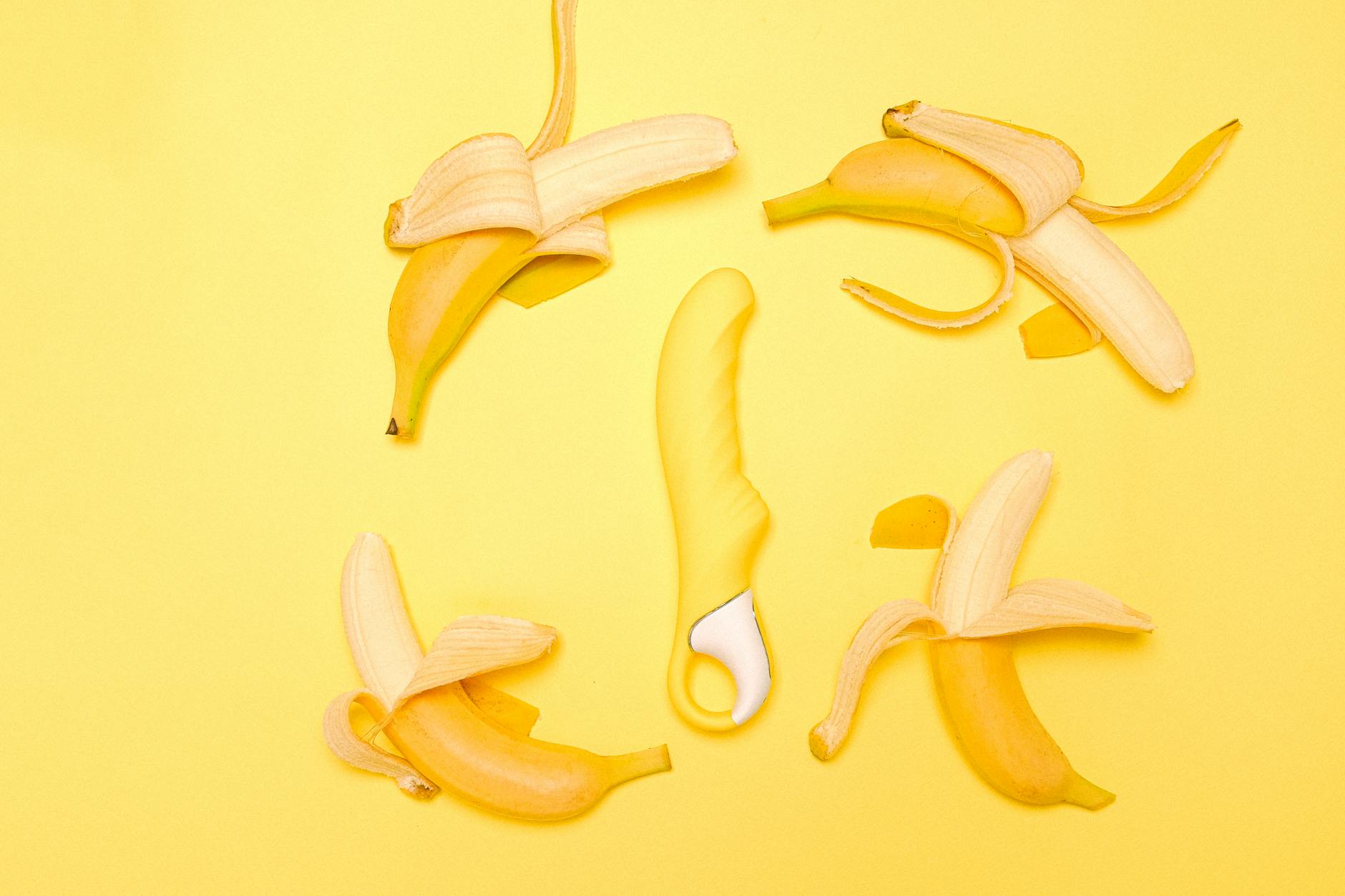
The suction thing is not marketing hype
Let's be real: if you've tried traditional vibrators and felt... fine, that's not because you're broken. It's because traditional vibrators are literally doing something different than what lemon clitoral vibrators do. They're using vibration. We're using suction.
That difference changes everything about how your body responds. A lemon vibrator doesn't hammer away at your clitoris with tiny oscillations. Instead, it creates a gentle pulse of suction that draws the surrounding tissue upward, stimulating the entire clitoral structure, not just the external tip. It's the difference between tapping on a door and opening it.
How traditional vibrators actually work
Most clitoral vibrators on the market use one of three mechanisms: oscillation (side-to-side movement), rotation (circular motion), or up-and-down buzzing. All three create pleasure through direct friction and pressure applied to the external clitoris.
That works beautifully for some people. But for others, it feels numb, too intense, or requires constant repositioning to find the exact right angle. Over time, that friction can also desensitize tissue if you're using higher intensities regularly. It's not damage. It's just how repeated direct pressure on sensitive nerve endings works.
There's also a timing factor. Traditional vibrators typically require you to hold them at a specific angle and pressure level. You're managing the contact. Your body is responding to an external rhythm you didn't set.
What suction actually does differently
A lemon vibrator creates a sealed space over your clitoris. As that suction builds and releases in rhythmic pulses, it draws blood into the clitoral tissue itself, creating engorgement and heightened sensitivity. Think of it less like a vibrator and more like a very sophisticated kiss.
Here's what makes this mechanically distinct:
1. It works with your body's natural response. When you become aroused, your clitoris naturally engorges with blood. Suction amplifies that process instead of working against it. You're not fighting friction. You're working with physiology.
2. It doesn't require perfect pressure. Because suction creates a seal, the sensation is consistent even if you shift slightly. Traditional vibrators lose efficacy the moment you move even a millimeter off angle. That's why so many people end up with sore necks or wrists.
3. The stimulation is broader. Suction activates not just the external clitoris but the internal structures (the clitoral bulbs, the vestibular bulbs). You're creating pleasure across a wider anatomical territory. Many people describe this as feeling deeper and more full-body, even though nothing is actually inside you.
4. Sensation builds naturally. Because suction works with arousal rather than imposing an external rhythm, the buildup often feels more organic. Orgasms from suction tend to arrive as a wave rather than a spike.
Why this matters if you've struggled with other vibrators
If you've used traditional vibrators and felt numb, you're not alone. And you're not broken. You might just be someone whose body responds better to suction. Here's the thing: numbness from vibrators isn't usually permanent, but it's real while it's happening.
Direct vibration fatigues nerve endings. When you use a high-intensity traditional vibrator regularly, your clitoris literally becomes less sensitive to that specific type of stimulation over time. It's called accommodation. Switch to a lemon vibrator, and you're switching the type of input your nerves are receiving. That's why so many people report sudden sensitivity returning after switching to suction technology.
The intensity also doesn't work the same way. Lemon clitoral vibrators typically come in pattern modes rather than pure intensity levels. That means you're not just turning up the power. You're changing the rhythm. Your clitoris doesn't accommodate to rhythm changes the way it does to pure intensity increases.
The comfort factor people don't talk about
Traditional vibrators can create friction discomfort, especially if you have sensitive skin or if you're not using enough lubricant. The constant up-and-down or side-to-side motion generates heat and friction over time. Suction doesn't have that problem.
With a lemon vibrator, you also don't need as much lubricant. The sealed environment means there's no friction requiring slip. This is genuinely helpful if you have a partner with a latex allergy, or if silicone-based lube breaks down your toy, or if you just prefer to use less lubricant. It changes the entire logistics of solo or partnered play.
Many people also find that suction feels less aggressive on their clitoris. If you've had past experiences where vibration felt overwhelming or too intense, suction often lands as gentler while still being incredibly effective. You get the orgasm without the overwhelm.
How to use a lemon vibrator if traditional vibrators didn't work for you
Start with the lowest pattern setting. You're not building up intensity. You're learning rhythm. Suction will feel different from anything you've used before, and that's intentional.
Place the entire mouth of the vibrator directly over your clitoris and press down gently to create a seal. Don't hold it there in tension. Let your body relax into the suction. Many people instinctively tense up around intense pleasure, which breaks the seal. Breathe and let yourself settle.
Expect the sensation to intensify as arousal builds. The suction will feel stronger not because the vibrator changed, but because your clitoris is engorging. That's your body working with the device, not against it.
Move to a higher pattern if you want variation, but don't jump straight to the highest setting. Suction has a cumulative effect. What felt mild at first often intensifies quickly as your clitoris responds.
Comparing suction to other pleasure technologies
If you've used a wand vibrator, a rabbit, or air-pulse toys before, here's how lemon clitoral vibrators stack up.
Wand vibrators create broad, surface-level vibration. They're excellent for external stimulation but don't engage deeper clitoral structures the way suction does. Many people need to use wand vibrators at high intensity to achieve orgasm, which can lead to accommodation over time.
Rabbit vibrators combine internal vibration with external vibration. They're multitasking devices, but that means neither component is optimized. The external part often can't create the suction seal needed for deep clitoral engagement.
Air-pulse toys create suction through rapid pulses of air. They're closer to how lemon clitoral vibrators work, but the mechanism is different. True suction-based devices like those from Lemon Clitoral use a more sustained, controlled seal that many people find more responsive and easier to control.
The learning curve is real, but short
If suction is new to you, the first time might feel weird or underwhelming. That's normal. Your body is learning a new type of sensation. Give it three to five sessions before deciding if it's right for you.
Most people report that by session three, they're already noticing increased sensitivity and faster arousal. By session five, many are reporting orgasms that feel qualitatively different. Not necessarily better or worse, but different. More full-body. More sustained. Less forceful.
If you've struggled with clitoral numbness or intensity fatigue from other vibrators, switching to a lemon vibrator often feels like plugging back into sensation. Your clitoris hasn't lost capacity. It's just been overexposed to one type of input. Suction changes that input entirely.
Common questions about switching
A lot of people ask if they'll lose responsiveness to traditional vibrators once they start using suction. The answer is no. Your clitoris doesn't become locked into one type of stimulation. You're not retraining it. You're just giving it a different option. Many people happily alternate between suction and vibration depending on what they want that day.
Another question: is suction better? Honestly, better is personal. For you, it might be. For someone else, traditional vibration might work perfectly. The point is that if one hasn't worked, the other is worth trying. Your pleasure doesn't depend on what you're using. It depends on whether what you're using matches how your body actually responds.
You're not being difficult if you haven't had success with standard vibrators. You're just waiting for the right technology.
People also ask
Can you use a lemon vibrator if you're numb from other vibrators?
Yes. In fact, people often experience restored sensitivity when they switch to suction after using traditional vibrators. The numbness usually isn't permanent. It's accommodation, which means your nerve endings have adapted to one type of input. Switching to suction input gives your clitoris a chance to reset. Many people report significant sensitivity return within days.
How long does it take to feel results with a lemon vibrator?
Most people feel something on the first try, but the full experience develops over three to five sessions. Your body is learning a new sensation pattern. The first time might feel subtle or strange. By session five, you typically know whether suction is right for you.
Is suction safe for sensitive clitorises?
Yes. In fact, suction is often gentler than direct vibration for sensitive people. Because the sensation is distributed across a wider area and there's no friction, many people with sensitivity find suction more comfortable. Start at the lowest pattern and let your body guide the intensity.
Do you need lube with a lemon vibrator?
No, but some people choose to use a small amount, especially if they have very dry tissue or if they like the feeling. Because suction doesn't require friction, the amount of lube needed is significantly less than with traditional vibrators. Water-based lube is always the safest choice for silicone toys.
Can a partner use a lemon vibrator on you during sex?
Absolutely. Many couples find that suction-based toys integrate more smoothly into partnered play than traditional vibrators. The seal is easier to maintain during movement, and there's less fumbling with angles. Some people use them during foreplay. Others incorporate them during intercourse for added external stimulation.
What if you have very pronounced or inverted clitoris?
Suction works beautifully for both pronounced and inverted clitorises because it doesn't require a specific shape to function. The seal adapts to your anatomy. If you have an inverted clitoris, suction often creates the external engagement you might not get from traditional vibrators, which need direct contact with external tissue.
The bottom line
Lemon vibrators aren't better than other toys. They're different. And that difference is significant. If traditional vibrators haven't clicked for you, it's not because you're doing it wrong or because your body is broken. It's because you haven't found the right mechanism yet.
Suction technology creates a fundamentally different experience. Broader stimulation. Reduced friction. Natural buildup. Better compatibility with sensitive tissue. For many people, that adds up to finally understanding what the fuss was about.
Your pleasure deserves a vibrator that actually matches how you're built. If you've been struggling, it's worth exploring what suction can do. You might just find that what you've been looking for feels completely different than what you expected.