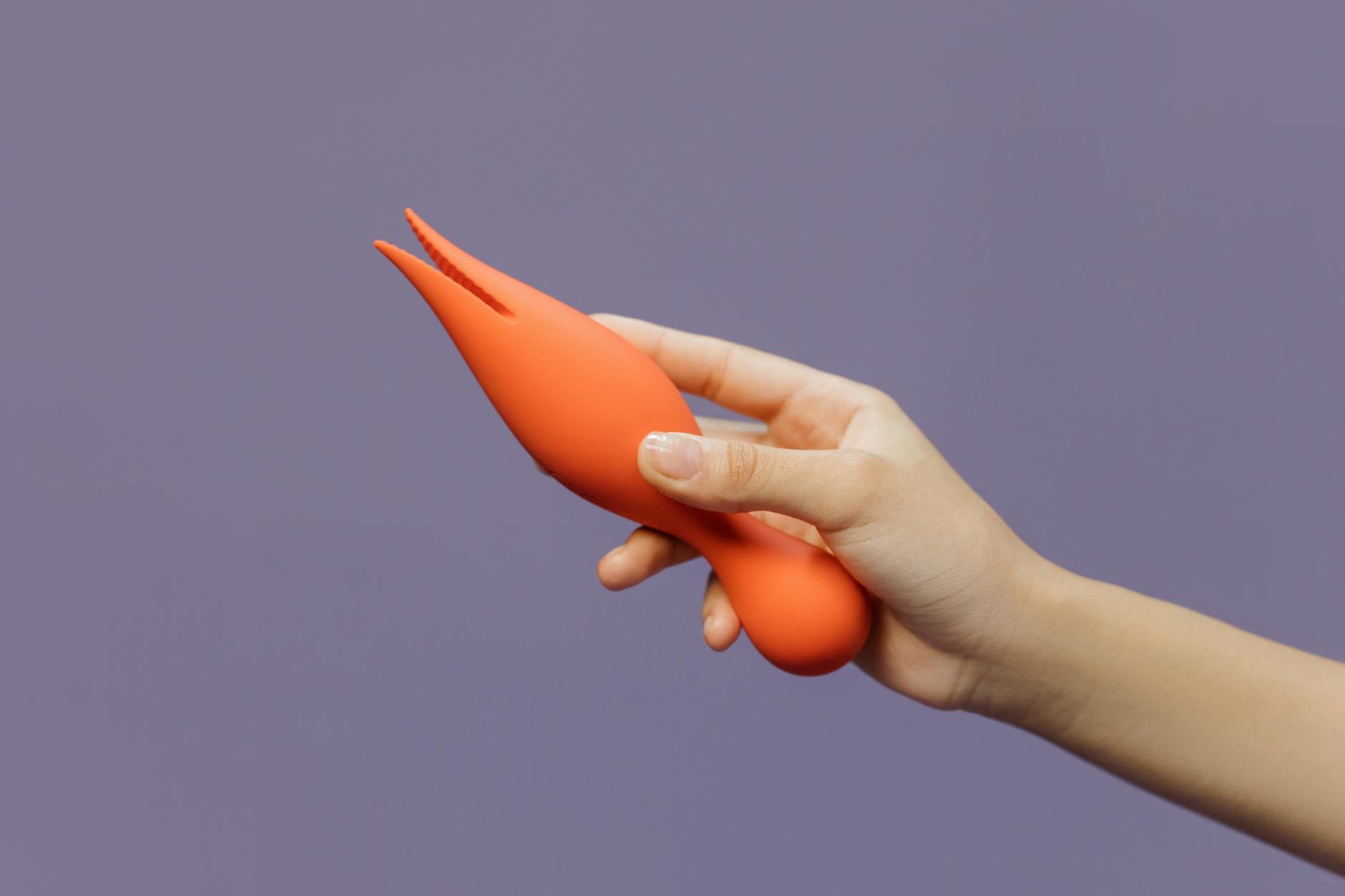
Here's the thing about stress and pleasure
Stress doesn't just make you feel tired or irritable. It literally hijacks your nervous system and flips a biological switch that shuts pleasure down. When you're stressed, your lemon vibrator stops working the same way because the part of your brain that processes sensation is essentially offline.
I've had countless clients tell me: "My Hello Nancy lemon vibrator worked perfectly before, but now nothing happens." The vibrator didn't break. Your nervous system did.
What stress actually does to arousal
When you're in chronic stress, your body lives in sympathetic activation. That's the fight-or-flight state. Your amygdala (the threat-detection part of your brain) is running the show. Meanwhile, the parasympathetic nervous system (the one that says "it's safe to relax and feel things") is basically asleep.
Arousal requires parasympathetic dominance. It requires your brain to genuinely believe there's no emergency. Lemon vibrators, clitoral vibrators of any kind, work through nerve stimulation. But nerves that are flooded with cortisol and adrenaline don't respond the same way. The signal gets fuzzy. Intensity feels muted. Sensation becomes hard to locate.
On top of that, chronic stress shrinks the hippocampus (memory and emotional processing), changes dopamine sensitivity, and elevates prolactin, which actively suppresses desire. You're not imagining the difference. Your brain chemistry actually rewired itself.
Why your lem vibrator suddenly feels "wrong"
Three specific things happen under stress.
1. Blood flow redirects away from pleasure. When you're stressed, blood pools in your core and limbs to prepare for physical threat. The clitoris gets less blood supply, which means less engorgement, less sensitivity. A lemon sucker works partly through suction and partly through vibration. Both rely on adequate blood flow. If it's not there, the sensation flattens.
2. Vaginal lubrication dries up. Stress hormones inhibit parasympathetic signaling, which controls arousal-related secretions. Your body isn't preparing for pleasure. A lemon clitoral vibrator with no moisture feels harsher, more irritating. It's not the toy. It's the environment.
3. Your sensory threshold climbs. Under stress, your nervous system becomes hypervigilant. It needs more intense input to register safety. This creates a weird paradox: you might need more intensity from your lemon adult toy to feel anything at all, but the overstimulation can also feel overwhelming. There's no sweet spot.
The stress reset that actually works
Here's where most advice fails: people tell you to "relax" or "meditate." That's not wrong, but it's vague and frankly, it doesn't address the real obstacle. You can't think your way out of sympathetic activation.
What works is deliberate nervous system downregulation. Not meditation. Actual physiology.
Step 1: Extend your exhales. Breathe in for 4 counts, out for 6 or 7. The longer exhale signals safety to your vagus nerve. Do this for 2-3 minutes before touching yourself. This isn't woo. It's parasympathetic activation on a timer.
Step 2: Move first. A 10-minute walk, gentle stretching, or even dancing to one song gets stagnant cortisol and adrenaline moving through your system. Then your body can transition into rest more smoothly. Don't jump from desk-stress directly into pleasure. You'll stay stuck.
Step 3: Create actual safety signals. Dim light, closed door, phone in another room. Your amygdala isn't convinced the coast is clear unless you remove the threat cues. This sounds obvious, but most people skip it because they think willpower replaces environment. It doesn't.
Step 4: Start with sensation, not pleasure. Use your lemon vibrator on the lowest setting. Don't chase orgasm. Let your nervous system gradually remember that this touch is safe and enjoyable. Set a timer for 5-10 minutes with zero pressure for outcome. This rewires the association from "performance" (stressful) to "sensation" (restful).
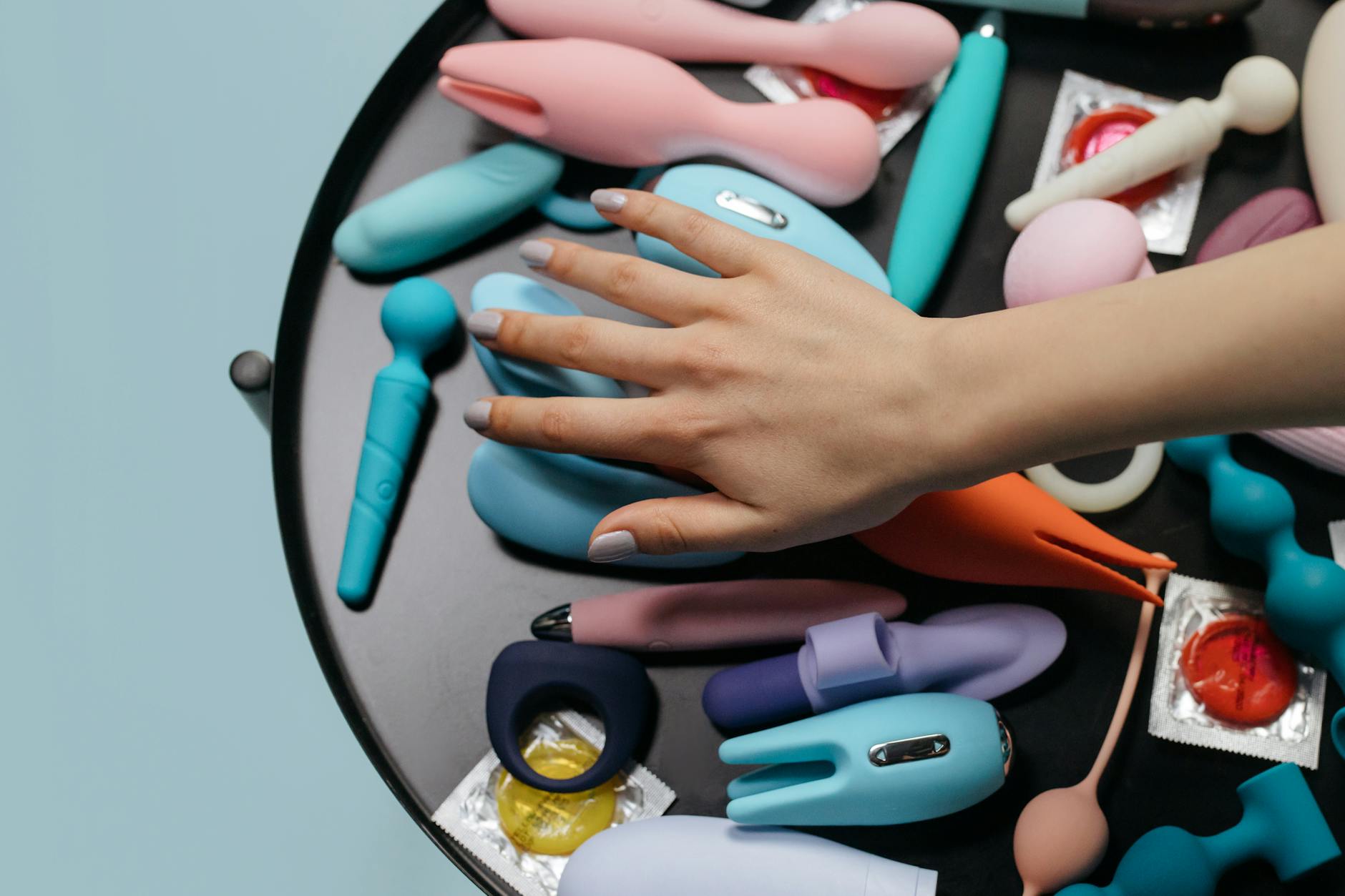
Photo by cottonbro studio on Pexels
When stress meets relationship dynamics
Here's where it gets complicated. If you're stressed about your relationship or your partner is stressed, pleasure becomes loaded with emotion. You might reach for your lemon clitoral vibrator thinking solo pleasure will feel easier, but if the relationship stress is underneath, even solo play becomes tainted.
I've seen this in my practice repeatedly: couples where one partner says, "I don't feel anything anymore," and they assume it's a physical problem. Often it's that the relationship itself is the stressor. The body is saying no before the mind even acknowledges the conflict.
If you're in a partnership and stress is tanking pleasure for both of you, the conversation isn't about technique or toys. It's about addressing what's actually stressful. Are you feeling unseen? Is there unresolved conflict? Are you both working too hard with no downtime together? How to use a lemon vibrator with a partner requires that the foundation is solid first.
The timeline for nervous system recovery
This matters: nervous system downregulation isn't instant. If you've been in chronic stress for months or years, expect 3-4 weeks of consistent practice before pleasure sensitivity returns noticeably. Your brain needs repetition to believe the threat is truly gone.
Use your Hello Nancy lemon vibrator regularly but gently during this reset period. You're not chasing intensity or orgasm. You're retraining your nervous system's response. Many people report that pleasure comes back gradually, starting with mild sensation, then building to fullness.
If after 4-6 weeks of deliberate downregulation your pleasure still hasn't shifted, that's worth discussing with a therapist or your doctor. Sometimes depression, hormonal changes, or other factors are layered under stress and need separate attention.
The part nobody talks about
Stress doesn't just kill pleasure. It kills the desire to even try. You might look at your lemon vibrator and feel nothing, not just physically but emotionally. No curiosity, no interest. That's anhedonia. The brain stops producing dopamine (the motivation neurotransmitter), so the reward system doesn't fire for things that normally feel good.
If that's you, the reset isn't about pushing yourself to use your adult toy. It's about addressing the stress itself. Move your body, talk to someone you trust, set a boundary at work, reduce your obligations temporarily. Pleasure returns when the nervous system feels genuinely safe and resourced.
FAQ
Can you use a lemon vibrator when you're stressed?
Yes, but with lowered expectations. Stress changes how your nervous system responds to sensation, so intensity and pleasure will feel muted. Use your lemon sucker on the gentlest settings, focus on sensation rather than outcome, and consider it part of your stress reset rather than a pleasure session. Over time, as your nervous system downregulates, the experience will shift.
How long does it take for pleasure to come back after stress?
Typically 3-4 weeks of consistent nervous system downregulation with gentle pleasure reconnection. This means regular breathwork, movement, and low-pressure time with your lemon clitoral vibrator. Everyone's timeline is different, but rushing the process usually extends it. Your brain needs repetition to believe it's safe.
Do I need to take a break from my clitoral vibrator when stressed?
Not necessarily. Taking a break can help if pleasure feels forced or obligatory. But gentle, sensation-focused use of your lem vibrator can actually be part of the healing process. The key is removing performance pressure. You're not trying to finish. You're practicing being present.
Can stress cause permanent changes to pleasure?
No. Nervous system adaptation is temporary. Once you downregulate and your stress resolves, pleasure sensitivity returns. Your brain has neuroplasticity. What stress changes, recovery can change back. The lemon vibrators you use now will feel normal and intense again once your threat-detection system turns off.
Should I talk to my partner about pleasure changes from stress?
Absolutely, especially if stress is relationship-based or if you share physical intimacy with a partner. The conversation is clearer when you name the actual problem: "I'm overwhelmed right now, and my nervous system is stuck in threat mode." That's factual and takes blame out. Then you can work together on reducing the stressor.
What if I'm on antidepressants and also stressed?
Stress compounds medication side effects. If you're already experiencing pleasure dampening from antidepressants and stress gets added on top, it feels worse. The reset stays the same. Focus on nervous system downregulation. Many people find that as stress reduces, pleasure returns even with medications in place. For specifics about lemon vibrators and antidepressants, that's worth discussing with your prescriber.
The real reset
Your lemon vibrator didn't fail you. Your nervous system did what it's supposed to do under threat. The good news: it can come back online. The reset takes deliberate downregulation, not willpower. Extend your exhales, move your body, remove threat cues, and give yourself permission to reconnect with pleasure slowly. In 3-4 weeks, your Hello Nancy lemon clitoral vibrator will feel like itself again. And so will you.
If stress is persistent and pleasure isn't returning, reaching out to a therapist or counselor can help you untangle what's underneath. You deserve to feel good, and that starts with nervous system safety.