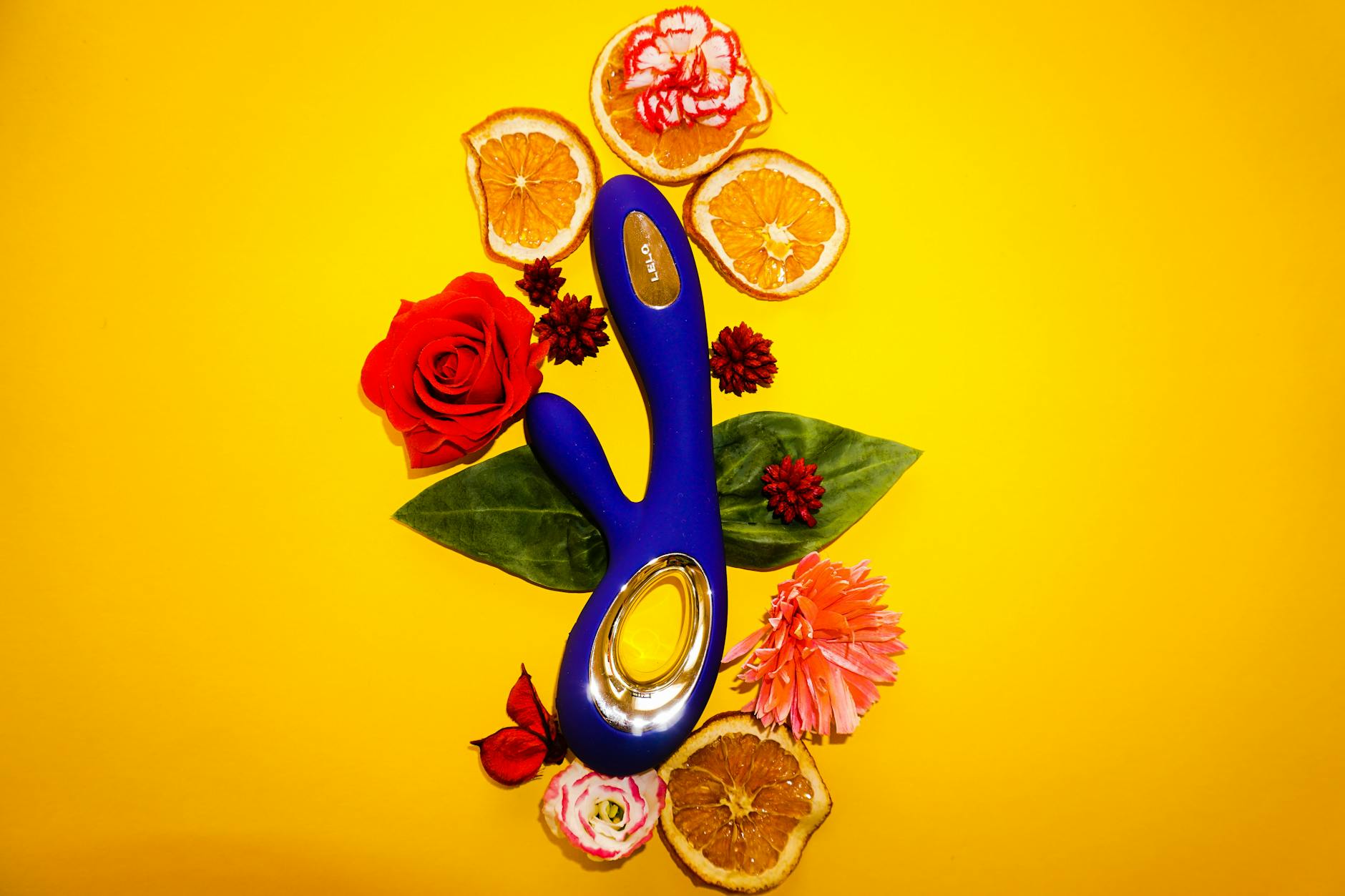
What you actually need to know before choosing between them
Let's be real: if you've only used traditional wand vibrators, the first time you try a suction-based lemon clitoral vibrator feels genuinely shocking. Not shocking in a bad way. Just different. Your clitoris doesn't experience friction the same way it does with a wand. The sensation is more like a gentle pulse, a suction, a rhythm that feels almost impossible with direct contact alone. But here's the thing. Neither one is inherently "better." Your body just has strong opinions about what it prefers.
After years of working with couples navigating pleasure together, I've noticed something consistent: people often choose the wrong vibrator because they don't understand how these two technologies actually work. They think "vibrator equals vibrator," when in fact, a wand vibrator and a lemon clitoral vibrator are solving completely different anatomical puzzles. Understanding the difference changes everything.
How wand vibrators work (and what they feel like)
Wand vibrators have been around since the 1960s. They're powerful, external vibrators that deliver rapid, direct oscillation to the clitoris through a firm, broad surface. Most wands vibrate at around 5000 to 7000 Hz, which is fast. The sensation is intense, often building quickly, and perfect for people who like straightforward stimulation.
Traditional wands come in a few shapes. The classic broad head distributes vibration across a wider area, which some people find soothing and others find too diffuse. Smaller wand heads concentrate the vibration into a tighter point. Some people absolutely need this focused intensity.
The challenge with wands: they deliver vibration through direct contact with sensitive tissue. For people with a sensitive clitoris, this can feel overwhelming or even painful. For people with lower sensation thresholds (whether from medication, hormones, or just natural variation), a wand often feels great. For people who experience numbness or reduced sensation, wands can feel like the only option because the intensity cuts through.
How lemon clitoral vibrators work (and why they feel different)
Lemon clitoral vibrators use a completely different mechanism: suction. Instead of vibrating against the clitoris, they create a gentle, rhythmic suction that stimulates the nerve endings around and above the clitoris, rather than through direct friction. The lem vibrator uses gentle pulsing air-suction patterns that many people describe as feeling like a soft mouth or a pulse.
This changes the entire experience. Suction-based lemon sexual toys typically operate at lower frequencies (often between 1000 and 3000 Hz) but create a different sensation profile. Because there's no direct mechanical grinding, the experience often feels less intense but paradoxically more concentrated on the actual clitoral nerve clusters.
For people with a sensitive clitoris, this can feel revelatory. Many people who've only tried wands say that their first time with a lemon vibrator is the first time clitoral stimulation has felt genuinely pleasurable rather than uncomfortable. The suction creates a seal around the clitoral area and stimulates a different neural pathway.
The actual physical differences that matter
Let me break down what separates these two technologies in ways your body will actually feel.
Contact style. Wands use broad or narrow surfaces that make direct contact with sensitive skin. Lemon clitoral vibrators create gentle suction that pulls tissue upward rather than pressing down. If you have thin or easily irritated tissue, this matters. A lot.
Intensity delivery. Wand vibrators are all-or-nothing. Turn them on and you feel vibration immediately at whatever speed you've selected. Suction-based lemon toys like the lem vibrator build sensation gradually and often have more nuanced intensity levels. This means you can start at pattern 1 and actually feel the difference between pattern 1 and pattern 2, rather than jumping from "mild" to "intense."
Customization. Most traditional wands have maybe three to five speed settings. Many lemon clitoral vibrators have specialized patterns. Suction patterns can pulse, undulate, or alternate between different intensities in rhythmic sequences. This is helpful if you like variety within a single session or if you're still learning what your body responds to.
Positioning flexibility. Wands require firm, direct pressure maintained at a specific angle. Lemon vibrators use gentle suction that works across a range of positions. Some people find this freeing. Others miss the specificity of a wand.
When a wand vibrator is genuinely the better choice
This isn't about shame or preference. This is about anatomy and what works.
Wand vibrators are your person if: you like fast buildup to orgasm, you prefer straightforward direct stimulation, you have lower sensation thresholds, you need intensity that cuts through numbness from medication or hormones, or you simply like the feeling of vibration against skin. For people taking SSRIs that dull sensation, a powerful wand is often the clear winner because suction might not provide enough intensity.
Wands are also more versatile if you like using vibrators with a partner. The broad head can stimulate multiple people simultaneously. If you're using a vibrator during partnered sex and you want something that works quickly and reliably, a wand is predictable.
For first-time users who are unsure what they're doing, wands can feel less mysterious. You turn them on and you feel them work immediately.
When a lemon clitoral vibrator is the stronger option
Lemon vibrators and other suction-based toys become the obvious choice when: you have a sensitive clitoris, direct vibration feels too intense or even painful, you want to explore sensation gradually, you enjoy longer sessions with varied patterns, you're recovering from pelvic tension and need gentler stimulation, or you want something that feels different from traditional vibration.
If you've never had an orgasm with a partner because wand vibrators feel too intense, a lemon sucker vibrator might change that equation entirely. The suction pattern feels less intrusive for people with vulval pain conditions or high tissue sensitivity.
Lemon clitoral vibrators are also better if you like building arousal slowly. The graduated suction patterns mean you're not choosing between "off" and "overwhelming." You can spend 10 minutes at pattern 2, feeling it gradually intensify your arousal.
For people who've tried traditional wand vibrators and felt disconnected, lemon vibrators offer a fundamentally different nervous system experience. Some bodies respond to suction in ways they never respond to vibration.
The hybrid approach (using both)
Honestly, if pleasure is important to you (and it is), having access to both technologies is ideal. They're solving different problems.
Many people use a lemon clitoral vibrator for slower, exploratory sessions and keep a wand for times when they want fast, straightforward pleasure. Some people use them with partners in different roles. Some people alternate based on where they are in their cycle or what their nervous system needs that day.
There's no rule that says you have to choose one forever. Your body changes. What felt right five years ago might not feel right now. Hormones shift, sensation changes, and what you want from pleasure evolves. That's not a failure. That's actually how you build a sustainable relationship with your own pleasure.
How sensation changes over time (and why this matters)
If you're in a transition period—whether that's hormonal shifts, medication changes, relationship transitions, or aging—your preference between these technologies might actually change.
I've worked with people who swore by wand vibrators for years and switched to suction-based lemon sexual toys after hormonal changes made direct contact uncomfortable. I've also worked with people who found suction too subtle and needed the intensity of a wand to break through numbness from depression medication.
This isn't about finding the "right" vibrator forever. It's about understanding your body well enough to know what it needs right now. If you're navigating arousal changes from medication or hormonal fluctuations, both technologies offer different entry points.
The psychological element (sometimes overlooked)
Beyond the physical sensation, there's something worth naming: the experience of using them feels different psychologically.
Wand vibrators feel clinical and direct. You know exactly what you're getting. Lemon clitoral vibrators feel more like partnered pleasure. The suction rhythm can almost feel like someone is paying attention to your body in real time. For people who carry shame around masturbation or who are rebuilding a relationship with their own pleasure after trauma or grief, this gentler psychological experience matters.
It's not magic. It's neurology and psychology intersecting. But the effect is real.
Making your choice (without overthinking it)
If you're buying your first vibrator, start with your actual body feedback, not internet recommendations. Do you like intense sensation or gradual buildup? Does direct contact feel good or overwhelming? Are you sensitive to pressure?
If you have a sensitive clitoris or you've never enjoyed wand vibrators, try a lemon clitoral vibrator first. If you like fast, straightforward pleasure or if you have reduced sensation from medication, a wand might serve you better. If you're genuinely unsure, reaching out to chat through your specific situation is always an option.
Your pleasure deserves specificity. These aren't interchangeable tools. Understanding the difference between them means you can actually choose what feels right for your body, not what someone else thinks you should use.
People also ask
Are lemon clitoral vibrators safer than traditional wand vibrators?
Both are safe when used as intended. Wand vibrators can cause temporary numbness with prolonged use because of the intensity and direct pressure. Suction-based lemon vibrators distribute stimulation differently and rarely cause numbness. Choose based on comfort and sensation, not fear.
Can you use a lemon vibrator if you've only ever used wands?
Absolutely. The transition often feels surprising because the sensation is so different. Start at the lowest pattern setting. Many people expecting a wand-like intensity are shocked at how subtle the beginning patterns feel. This is actually a feature. Give yourself time to adjust before deciding it's not for you.
Do lemon vibrators work if you have low sensation?
It depends on the cause of low sensation. If numbness is from medication or hormones, you might need the intensity of a wand. If low sensation is from anxiety or disconnection, suction vibrators sometimes help because they engage different nerve pathways. The best answer is to try both if you can.
How long does it take to orgasm with a lemon clitoral vibrator versus a wand?
This varies wildly by individual. Wands often deliver faster results because of intensity. Lemon vibrators might take longer but often result in more sustained pleasure. Neither is "better." If you're looking for quick, straightforward orgasm, a wand has the advantage. If you want to explore sensation, lemon vibrators shine.
Can you use a lemon vibrator with a partner?
Yes, though the experience is different than with a wand. The suction creates a seal, so positioning matters more. Some partners love the intimacy of suction-based stimulation. Some prefer the ease of a wand. Communication about what you want before you start makes all the difference.
What if I'm sensitive to both direct vibration and suction?
Start with the lowest settings on either technology and use more lubricant than you think you need. Some people benefit from stimulating around the clitoris rather than directly on it. If both feel uncomfortable, pelvic floor relaxation work or conversations with a provider might help. Sensitivity to stimulation often has physical causes that are worth exploring.