Let's start with what your body actually looks like
Most of us learned vulva anatomy from diagrams that don't match reality. The clitoris isn't just a tiny button. It's a complex organ with a visible glans at the top and a much larger internal structure that extends into the body. Understanding this changes everything about how you approach pleasure, and it explains why some tools work dramatically better than others.
Here's the thing: your vulva is unique. The hood might be longer or shorter. The labia minora might protrude more. The angle of your clitoral glans, the density of nerve tissue, the depth of the vestibule. These variations aren't defects. They're the baseline difference that every conversation about pleasure should start with.
The architecture you need to know
The clitoris has three main parts. The glans (the external bit you can see) connects to the body and crura, which extend internally on either side of the vaginal opening. The entire structure is roughly the size and shape of a small wishbone, though the proportions vary wildly from person to person.
The glans contains roughly 8,000 nerve endings, but they're not evenly distributed. Most sensation concentrates on the underside and sides, not the tip. This is why direct, aggressive stimulation on the glans can feel overwhelming or numb. You're often hitting the least sensitive part with the most force.
The vestibule (the smooth tissue between the labia minora and the vaginal opening) also matters. It's packed with nerve endings and sensitive to pressure changes. Many people with vulvas find that stimulation in this area feels radically different from glans stimulation. Some prefer it. Some find it changes how their body responds to everything else.
Why suction feels different than vibration
Traditional vibrators use oscillation. They move back and forth at high frequency, which stimulates nerve fibers through friction and direct mechanical stimulation. This works. Millions of people orgasm with vibrators. The limitation is pressure distribution.
When you press a vibrating toy directly against the glans, you concentrate force in a small area. The sensation is intense, but intensity and pleasure aren't the same thing. If your nerve endings are densest on the sides and underside of the glans, pressing the tip into the toy is literally missing the map.
Suction works differently. Instead of friction, it creates a gentle pressure differential. The lemon vibrator uses a soft silicone cup that creates micro-suction cycles. This pressure change stimulates broader nerve clusters across the glans and vestibule simultaneously. It's less about mechanical force and more about sustained, distributed pressure that gradually builds.
For people with high nerve density, suction feels cleaner. For people with sensitivity that borders on tenderness, suction allows for intensity without the friction that triggers overstimulation. For people whose anatomy puts their sensitive spots on the sides of the glans rather than the tip, suction distributes stimulation across the exact nerves that feel best.
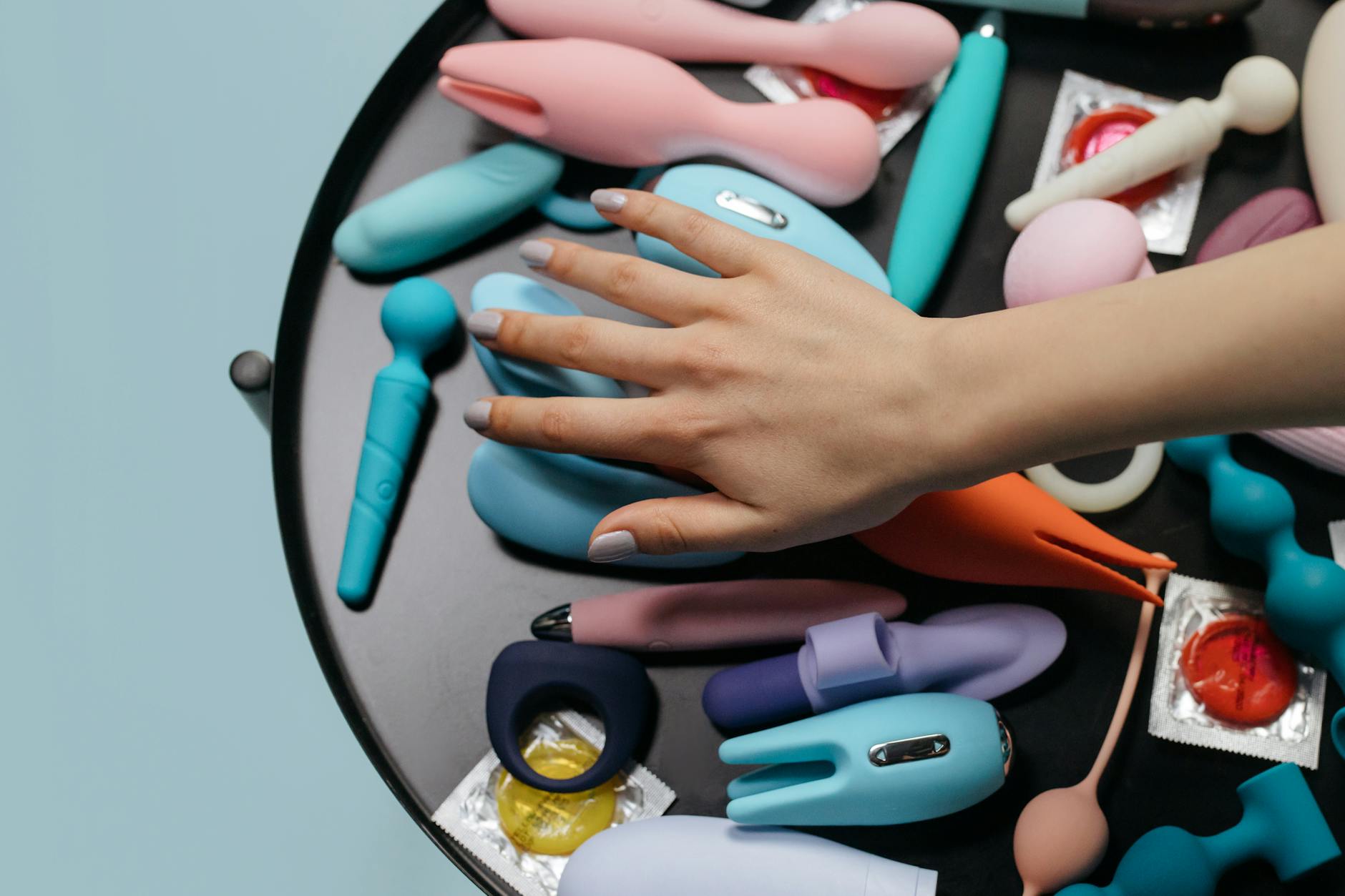
Photo by cottonbro studio on Pexels
Anatomical variables that change everything
Clitoral hood coverage differs. Some people have a hood that retracts fully with arousal. Some people's hoods stay engaged. This affects which part of the glans needs stimulation to feel responsive. If your hood is coverage-heavy, direct glans contact might feel inaccessible. Suction stimulates through the hood more effectively than vibration does, because you're creating pressure rather than requiring friction against exposed tissue.
Glans size and prominence vary. Some glans are barely visible when not aroused. Some are fuller, more prominent. Some have texture, some are smooth. A smaller or recessed glans needs stimulation that doesn't require direct contact to feel good. Suction creates sensation without requiring you to position the toy with millimeter accuracy.
Labia minora structure matters. If your labia minora are prominent, they frame the glans differently. They can actually provide natural buffering that changes how you feel vibration. With suction, the pressure differential still reaches the glans, but the broader pressure field means you're not fighting against the architecture of your own body.
Internal clitoral structure (the crura) is invisible but important. Some people's internal clitoral tissue sits closer to the surface. For these people, pressure applied above the glans creates sensation in the body, not just the tip. Suction's broader pressure field is more likely to engage these internal structures.
Why this explains why lemon vibrators work better for some people
If you've tried traditional vibrators and found them either too intense or somehow not quite hitting the spot, your anatomy is probably the answer. You're not broken. The toy was just designed for a different body.
Suction-based stimulation like the Lem vibrator redistributes pressure more broadly across the entire clitoral complex. This works better if you have:
- High sensitivity concentrated on the sides or underside of the glans (most people)
- A prominent hood that makes direct glans contact difficult
- Anatomy where direct vibration feels sharp or overstimulating
- Sensitivity to friction or texture
- Vulva anatomy where the most responsive nerves sit slightly off the glans tip
The suction cycles in a lemon clitoral vibrator operate around 175 pulses per minute. That's slower than most vibrators, but it's the pressure change that matters, not the frequency. Your body registers the micro-suction cycle as a wave of stimulation rather than a constant buzz. Many people find this wave-like sensation easier to build arousal with and easier to reach orgasm with.
How to dial in suction for your specific anatomy
Start with the lowest setting. Suction intensity should feel gentle, like a sustained kiss, not a vice. Position the cup so the entire glans sits inside it. This isn't vibration, so you're not worried about precise positioning. The gentle seal creates sensation across the whole area at once.
If you have a prominent hood, the suction can work through it. You don't need the hood fully retracted. If you have a shallower vestibule or more prominent labia minora, the cup's broader rim still creates pressure change that registers as pleasure, even if direct glans contact feels off.
Intensity should build slowly. Where a traditional vibrator might create immediate sensation, suction builds a pressure wave. Let three to four cycles pass before deciding if you like the sensation. Your body needs a few seconds to register the pattern.
If you're used to very high-frequency vibration and suction feels too slow, you can layer sensations. Use suction on the glans and reserve a secondary vibrator (or your hand) for the sides, labia minora, or clitoral body. This is how you start to map which parts of your anatomy respond to what.
Photo by cottonbro studio on Pexels
Why understanding your anatomy changes pleasure
Most of us approach pleasure as one fixed problem. We assume our body is either responsive or not. But responsiveness is actually specific. You might not respond to friction, but you absolutely respond to pressure. You might find broad, distributed stimulation amazing and point stimulation overwhelming. You might discover that suction changes your orgasm entirely.
When you understand your own anatomy, you stop blaming your body for not responding to tools that were built for a different architecture. You start choosing tools with intention. A lemon vibrator isn't better for everyone. It's better for people whose anatomy benefits from suction over vibration.
If you want to explore this further, consider a pelvic floor physical therapist. They can help you understand your internal anatomy and how it connects to external sensation. They can also tell you whether certain sensations are healthy or whether something like pain during pleasure needs attention.
People also ask
Does vulva anatomy affect which vibrator works best?
Completely. Your clitoral size, hood coverage, glans prominence, and labia structure all influence which type of stimulation feels best. Someone with a prominent glans and short hood might find direct vibration perfect. Someone with clitoral tissue that's more internal or recessed might find suction distributes stimulation better. There's no universal "best vibrator." There's only the best vibrator for your specific anatomy. Start by noticing what feels naturally good when you explore yourself manually, then choose a toy that matches that sensation.
Why does suction feel different from vibration?
Vibration creates sensation through rapid friction and mechanical pressure in a specific spot. Suction creates sensation through pressure differential. It's like the difference between someone tapping your arm and someone gently squeezing it. Both register as touch, but the neural pathways they activate are different. For many people, suction feels more like a wave of pleasure building slowly, while vibration feels more localized and immediate.
Can you use a lemon vibrator if you have a sensitive clitoris?
Often yes, especially if sensitivity means vibration is too sharp. The gentler pressure waves from a suction toy like the Lem vibrator can be easier to tolerate than high-frequency vibration. Start on the lowest setting and let your body adjust to the sensation before increasing intensity. If you've had pain with other toys, that's different. Pain always warrants a conversation with a gynecologist, not just toy shopping.
Do I need to retract my clitoral hood to use a lemon vibrator?
No. Suction works through the hood. Your hood is anatomical, not an obstruction. If your hood retracts naturally with arousal, great. If it doesn't, the suction still reaches your glans and creates sensation. The pressure differential is the mechanism, not direct friction, so hood coverage doesn't block the experience the way it might with some vibrators.
What if I prefer vibration to suction?
Then stick with vibration. Anatomy variation means pleasure variation. Some people genuinely prefer the sharp, immediate sensation of vibration. Some respond better to broad, distributed pressure. There's no right answer, only your answer. Try to notice what feels naturally good when you self-explore, then choose tools that match that preference.
How do I know if a lemon clitoral vibrator is right for my anatomy?
Listen to what feels good without toys first. Do you prefer broader, sustained pressure or focused intensity? Do you like surface-level stimulation or deeper pressure? Do you respond best to slow building sensations or immediate spike? If you gravitate toward sustained, distributed pressure and slow buildup, suction is probably a strong fit. If you love immediate, sharp sensation and high intensity, vibration might be more your speed. Most people enjoy both, just in different combinations.
Your vulva isn't a puzzle with one solution. It's a complex system with unique sensitivity patterns. Understanding your own anatomy gives you the language to choose tools that actually match your body, not your body conforming to tools designed for someone else. That shift in perspective is where real pleasure starts.
If you're curious about exploring different sensations more deeply, how to use a lemon clitoral vibrator for maximum pleasure covers practical techniques once you've found your preferred tool. And if you're navigating changes in how your body responds over time, why lemon vibrators work better after 30 explores how anatomy and responsiveness shift across your lifespan.